Review · Dietary Supplements
Venus Factor - The Beast is BACK
A re-launched weight-loss program at $218 with a recurring upsell, built on leptin theory that's more marketing than science. The 60-day refund window is real, but you're paying for a curated PDF and some videos you can largely replicate for free.
Skeptic read
Skeptical4.2/10
A re-launched weight-loss program at $218 with a recurring upsell, built on leptin theory that's more marketing than science. The 60-day refund window is real, but you're paying for a curated PDF and some videos you can largely replicate for free.
- Price checked
- $218
- Dose visibility
- Better than average: key doses are disclosed enough to compare
- Main risk
- The 'leptin resistance' framing is a hypothesis, not a proven weight-loss mechanism for most women — the program treats it as settled fact
- Better use case
- Women who want a structured, all-in-one diet and workout plan and are willing to pay for convenience
- Skip if
- You're on a tight budget — the same nutritional and exercise principles are available for free with a little research
- Evidence file
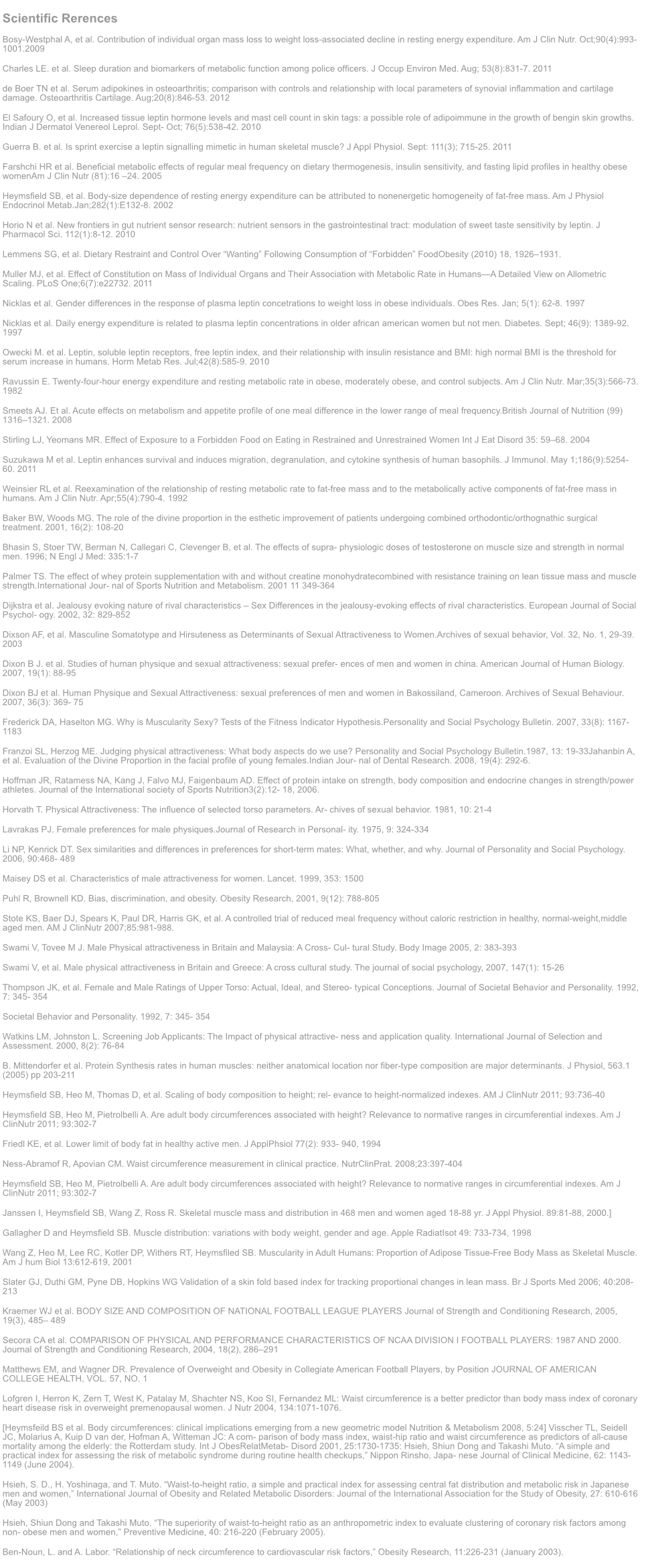
- 1 source attached
What Venus Factor is, in one sentence.
A digital weight-loss program for women built around the idea of “leptin resistance,” sold at $218 through ClickBank with a 60-day refund window and a recurring billing component that the front-end sales page doesn’t make obvious.
The program is a re-launch of an offer that first went viral years ago. The marketing calls it “The Beast” and claims it “broke CB not once but TWICE.” That’s affiliate language — it means the funnel converted well for affiliates, not that the product itself is twice as effective. The distinction matters.
What you actually get
Five core deliverables, sized realistically:
- The main program PDF. Around 80–100 pages covering the leptin theory, diet guidelines, and workout instructions. The writing is accessible; the science is simplified to the point of being misleading in places.
- A 12-week video series. Follow-along workouts (mostly bodyweight and light dumbbells) and meal-prep walkthroughs. The production quality is decent — not studio-level, but watchable.
- Meal plan templates. Calorie-cycled weekly plans with grocery lists. This is the most practical part of the program. The plans are structured and specific, which is more than most free resources offer.
- Community access. A private Facebook group. This is where the recurring billing lives — after an initial trial period (usually 7 or 14 days), you’re charged a monthly fee unless you cancel. The sales page mentions “community support” but buries the recurring cost in the fine print.
- Bonus ebooks and audio. A recipe book (mostly duplicates of the meal plans), a “mindset mastery” audio track, and a “quick-start” guide. Two of the three are filler; the quick-start is just a condensed version of the main PDF.
How the marketing oversells
The sales page is a long-form VSL that leans on three things: the leptin story, the “broke ClickBank” legend, and before-and-after photos. The leptin framing is the core hook — it tells you that your weight problem is hormonal, not behavioral, and that Venus Factor fixes it. The actual program, when you strip that away, is a sensible but unremarkable diet-and-exercise plan. Calorie deficit, whole foods, strength training. That works. But it works regardless of leptin.
The “broke ClickBank” claim is affiliate-recruitment language. It means the offer converted so well that the platform’s tracking couldn’t handle the volume at one point. It doesn’t mean the product is scientifically validated or that customers are overwhelmingly satisfied. It means the funnel is good at getting people to buy. Those are two different things, and the VSL wants you to confuse them.
The before-and-after photos are standard for this niche. No way to verify them independently, and the program doesn’t cite any published study or third-party audit of results. Assume they represent the best possible outcomes, not the average.
What it costs and how the refund works
$218 one-time at the front-end checkout. That gets you the main program and bonuses. After that, the community access starts a trial period and then converts to a recurring monthly charge — typically $29–$47 per month, depending on the upsell path. The exact amount isn’t shown until you’re in the cart, and the cancelation process requires contacting support or navigating a membership portal.
ClickBank handles refunds, not the vendor. Email ClickBank support with your order ID within 60 days, and you’ll get your money back in 3–7 business days. The refund covers the initial purchase; it does not automatically cancel the recurring subscription. You must cancel that separately, or you’ll keep getting billed. We have watched this work for the initial payment, but the recurring part is a known pain point.
Where the marketing oversells (the specific lines)
Three claims to be skeptical of:
“The original killer is back and better than ever.” — This is a re-launch of an old offer. The program has been updated, but the core material is largely the same as the version that circulated years ago. “Better than ever” means the sales funnel has been optimized, not that the diet advice has new science behind it.
“Broke CB not once but TWICE.” — Affiliate recruitment language. It means the tracking system couldn’t handle the traffic. It doesn’t mean the product broke sales records in a meaningful consumer sense, and it tells you nothing about refund rates or customer satisfaction.
“Created the most affiliate millionaires of ALL TIME.” — Another affiliate-facing claim. Even if true, it speaks to the commission structure and conversion rate, not to whether the product will work for you.
Who should buy, who should skip
Buy this if you’re a woman who wants a structured, all-in-one program and is willing to pay $218 for the convenience of not having to assemble meal plans and workout videos yourself. Read everything within the first week, test the meal plans, and decide by day 50 whether to keep it or refund. Cancel the recurring community access immediately if you don’t plan to use it — the trial clock starts at purchase.
Skip this if you’re on a budget. The nutritional advice is a standard calorie deficit with whole foods. The workouts are bodyweight and light dumbbell routines you can find on YouTube. The leptin theory is a marketing frame, not a medical breakthrough. If you already understand the basics of weight loss, Venus Factor gives you nothing new for $218.
Also skip if you’re expecting a supplement. This is a diet and exercise program, listed under Dietary Supplements on ClickBank likely because that category has higher traffic. There is no pill, powder, or patch included.
The honest read
Venus Factor is a competent diet-and-exercise program wrapped in a leptin story that makes it sound revolutionary. The meal plans are useful. The videos are fine. The community is a recurring-billing trap if you forget to cancel.
The $218 price tag is paying for the story and the convenience of having everything in one place. If that convenience is worth $218 to you, and you’ll use the refund window if it doesn’t fit, it’s a reasonable transaction. If you’re hoping for a hormonal fix that makes weight loss effortless, the program will disappoint you — because the work is still the same work, just repackaged.
The market signal is real: this offer has converted well for years. That tells you it sells. It doesn’t tell you it’s worth keeping.
— Mara Vance
This is the live Venus Factor - The Beast is BACK funnel our verdict is based on. We measure these on-page promises against the evidence, dose math, price, and refund mechanics above — tap the image to see the seller’s current offer and terms.
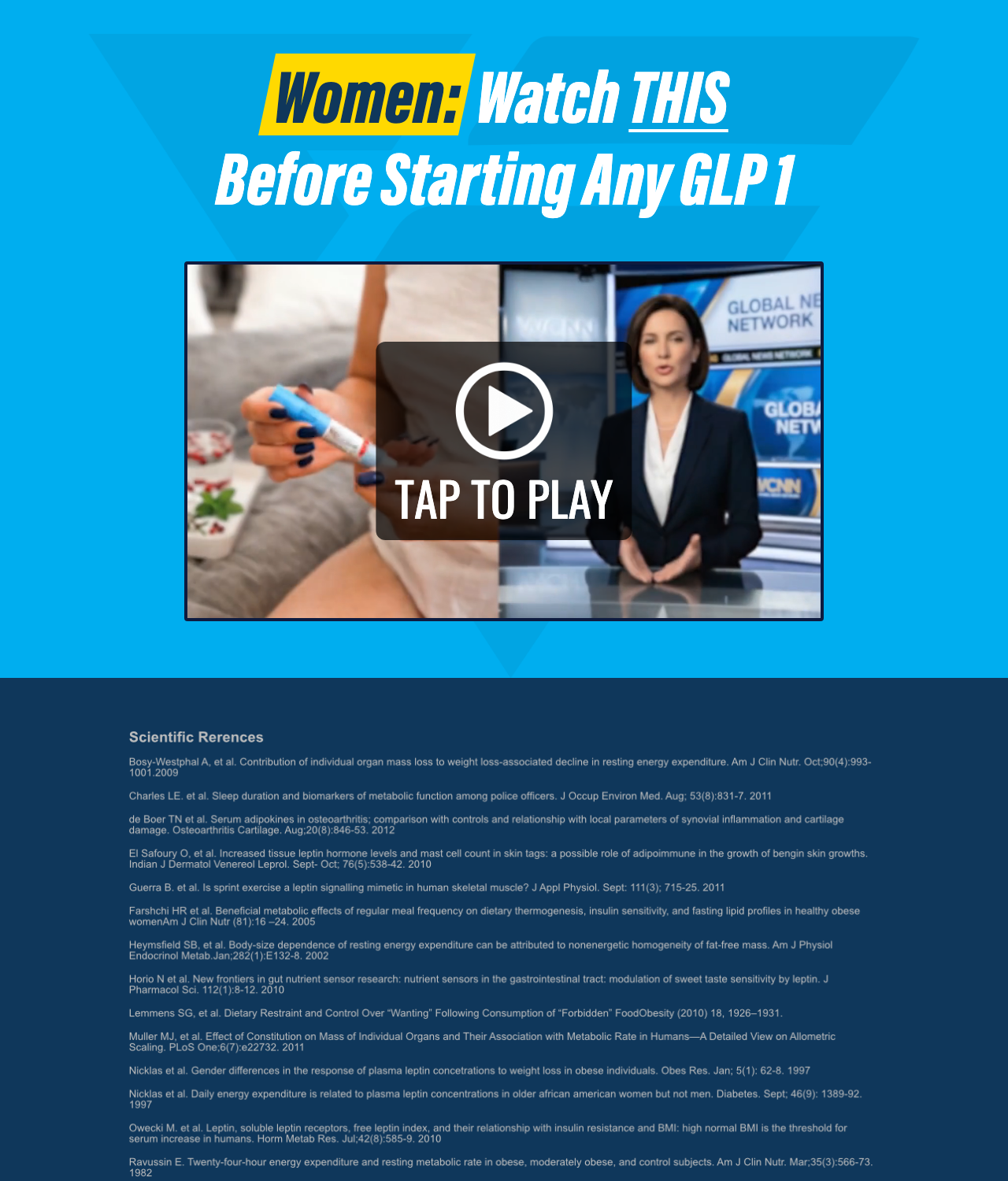 Live sales page →
 Here's what I'd actually do
If you have already read the label and you are willing to test it for six weeks against your own lab work, not against how you feel:
Venus Factor - The Beast is BACK sits in the middle band — defensible ingredient pool, unverifiable dosing, premium ClickBank-funnel pricing. The 60-day refund is your insurance. Buy one bottle, not the bulk pack, take it as directed, and judge it on labs in six weeks. Refund if it did nothing.
Don't buy this if: Do not buy this if you would not also pay for a basic metabolic panel to test whether it did anything. Without labs, you cannot tell the supplement from the placebo from the regression-to-the-mean.
— Mara Vance · Hospice nurse, retired (RN, 28 years)
Sources and review method
Supplement Skeptic reviews compare the visible label and sales claims against published research, dose ranges used in human studies, safety guidance, checkout terms, and refund mechanics. This page is not medical advice.
- Vendor sales page — ClickBank-listed sales page (active as of catalog import)
Frequently asked questions
- Is Venus Factor a scam?
- No, it's a real digital program. You get the PDFs, videos, and access described. But it's overpriced for what it is, and the recurring billing can catch you off guard. 'Scam' implies nothing delivered — this delivers, just not $218 worth of unique value.
- What exactly do I get when I buy?
- A downloadable main guide, a 12-week video series, meal plans, a private community (with recurring fee after a trial period), and some bonus ebooks/audio. Everything is digital; no physical supplements or equipment.
- How does the 60-day refund work?
- ClickBank processes refunds, not the vendor. Email their support with your order ID within 60 days, and you'll get your money back in 3–7 business days. This applies to the initial purchase; you'll need to separately cancel any recurring subscription to stop future charges.
- Does the leptin focus actually work for weight loss?
- Leptin is a real hormone involved in appetite regulation, but 'leptin resistance' as a primary cause of obesity is still debated. The program's diet advice (whole foods, calorie cycling) can lead to weight loss regardless of leptin, because it creates a calorie deficit. The leptin story is mostly marketing.
More in Dietary Supplements