
Methodology storyboard
From bottle hype to a calmer buying decision.
This is the path every supplement review follows: label, plants and actives, human evidence, checkout risk, then a verdict a reader can actually use.

The promise
We do not ask “can this be sold?” We ask “should a reader spend money on it?”
The bottle arrives
We start with the physical product story, not the ad.
A supplement gets logged by product name, category, claimed benefit, price path, refund window, and whether the checkout tries to push a bundle or renewal.
Reader takeaway: know what you are actually being asked to buy.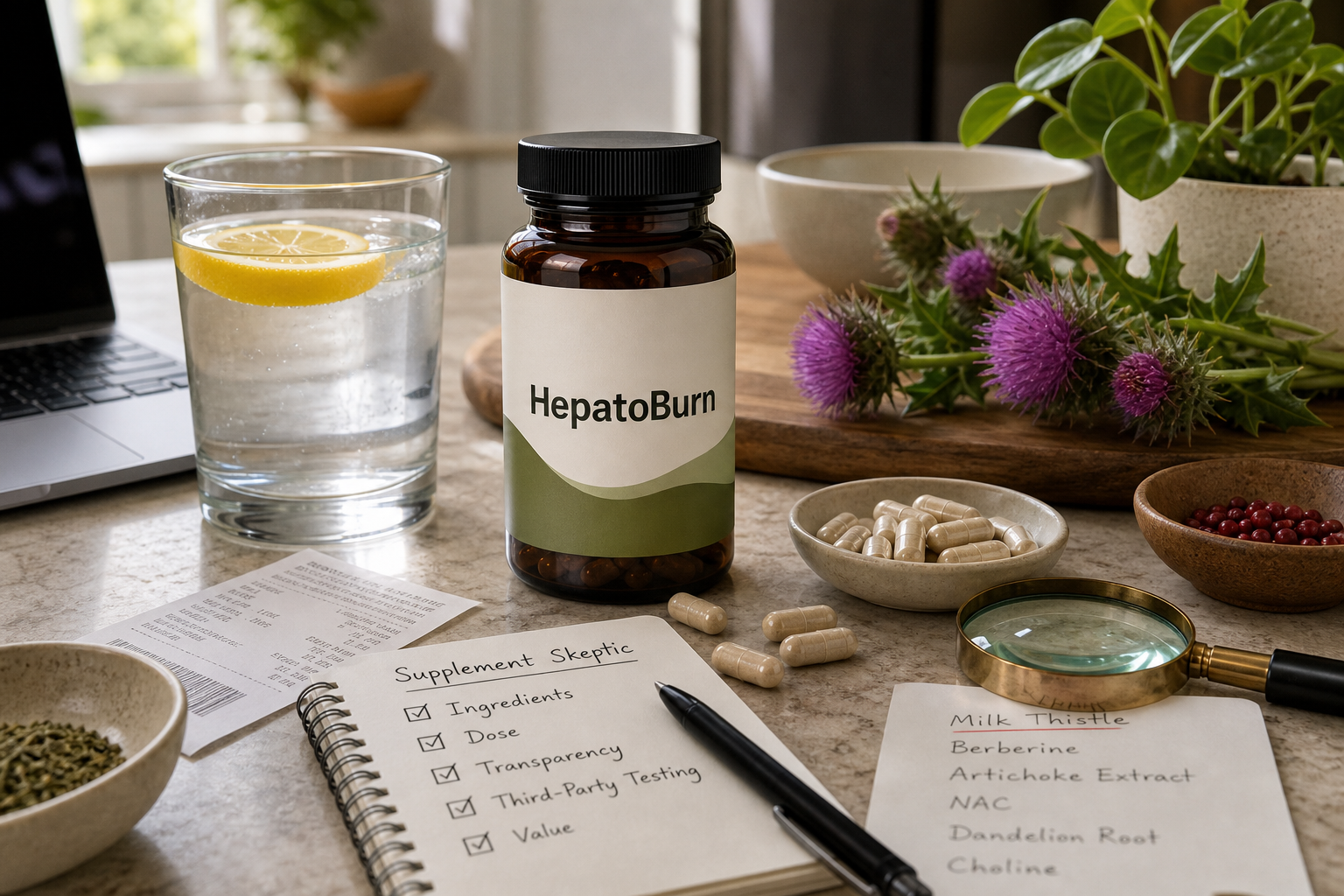
The label gets decoded
Every ingredient has to survive the dose question.
Plants, herbs, minerals, probiotics, and extracts are treated differently. A familiar ingredient can still fail if the label hides the dose or uses a form that does not match the research.
Reader takeaway: a good-looking ingredient list is not the same as a useful formula.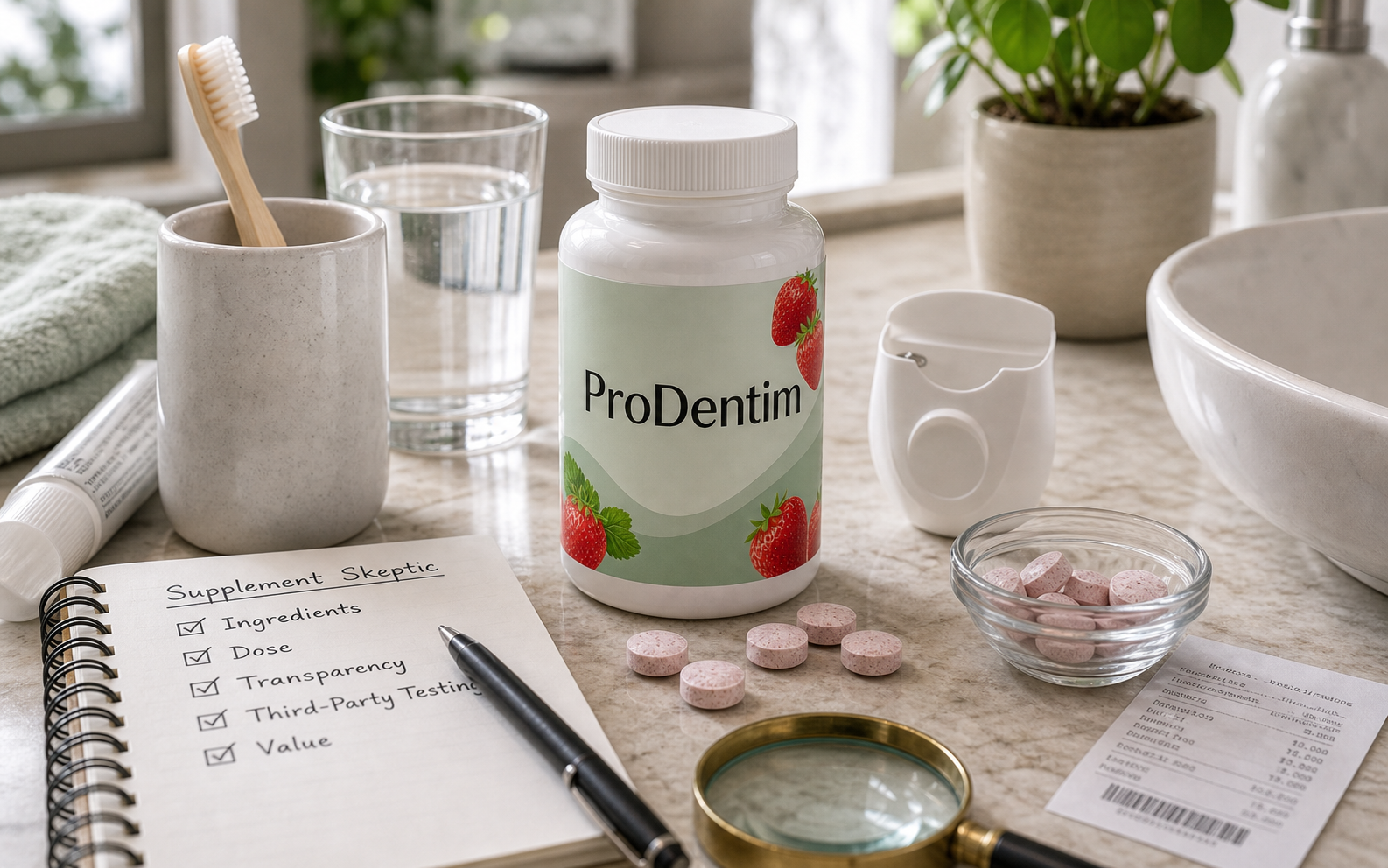
The research trail
We match the claim to human evidence.
The desk looks for human trials, review papers, NIH Office of Dietary Supplements references, Cochrane reviews, dose ranges, effect size, study quality, and conflicts of interest.
Reader takeaway: rodent data, cell studies, and vague mechanisms do not carry a purchase decision.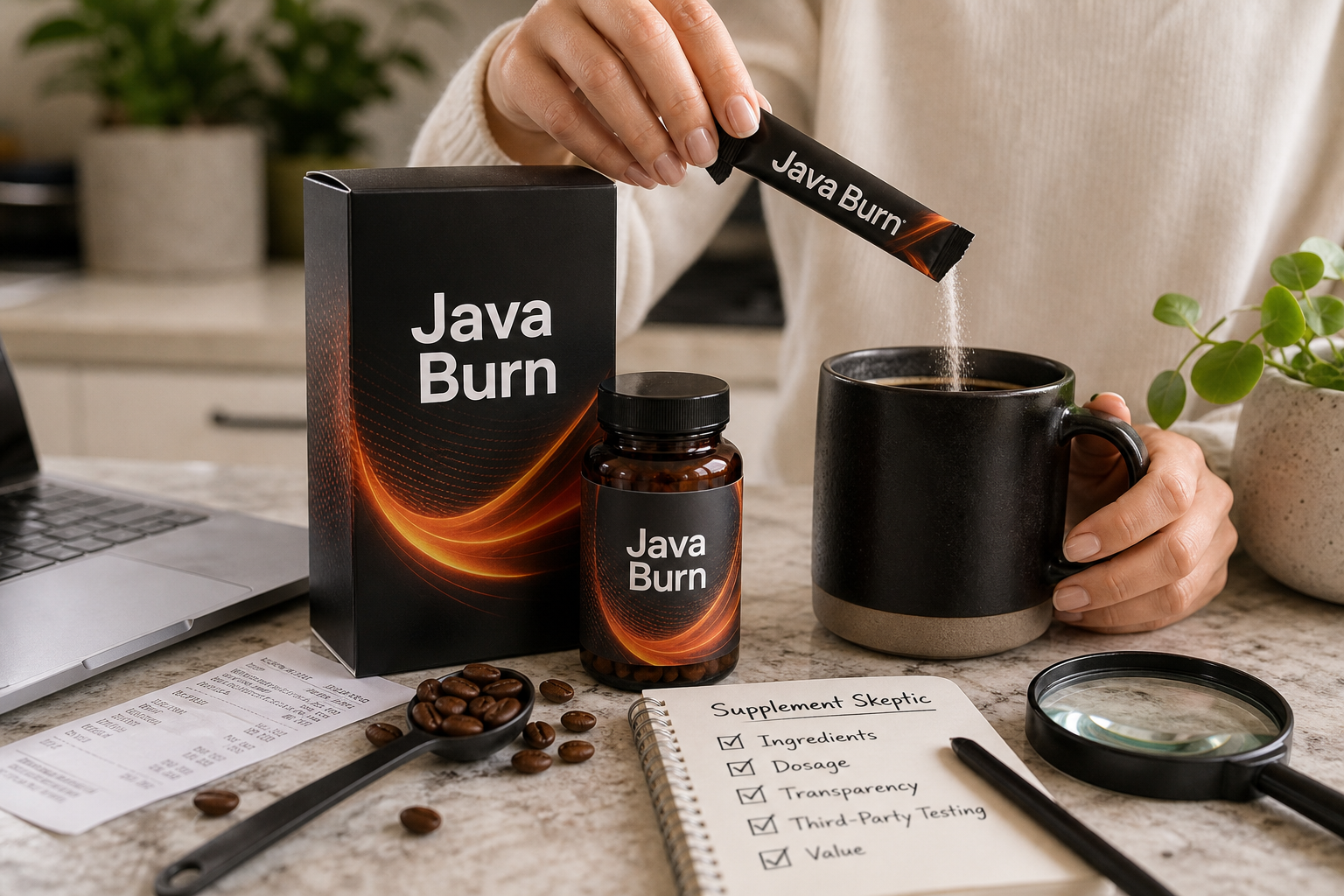
The marketing audit
Then we read the sales page like a skeptic.
Countdown timers, invented “discoveries,” fake scarcity, miracle before-and-after claims, unclear testimonials, and buried checkout terms all change the buying picture.
Reader takeaway: a product can have interesting ingredients and still be sold badly.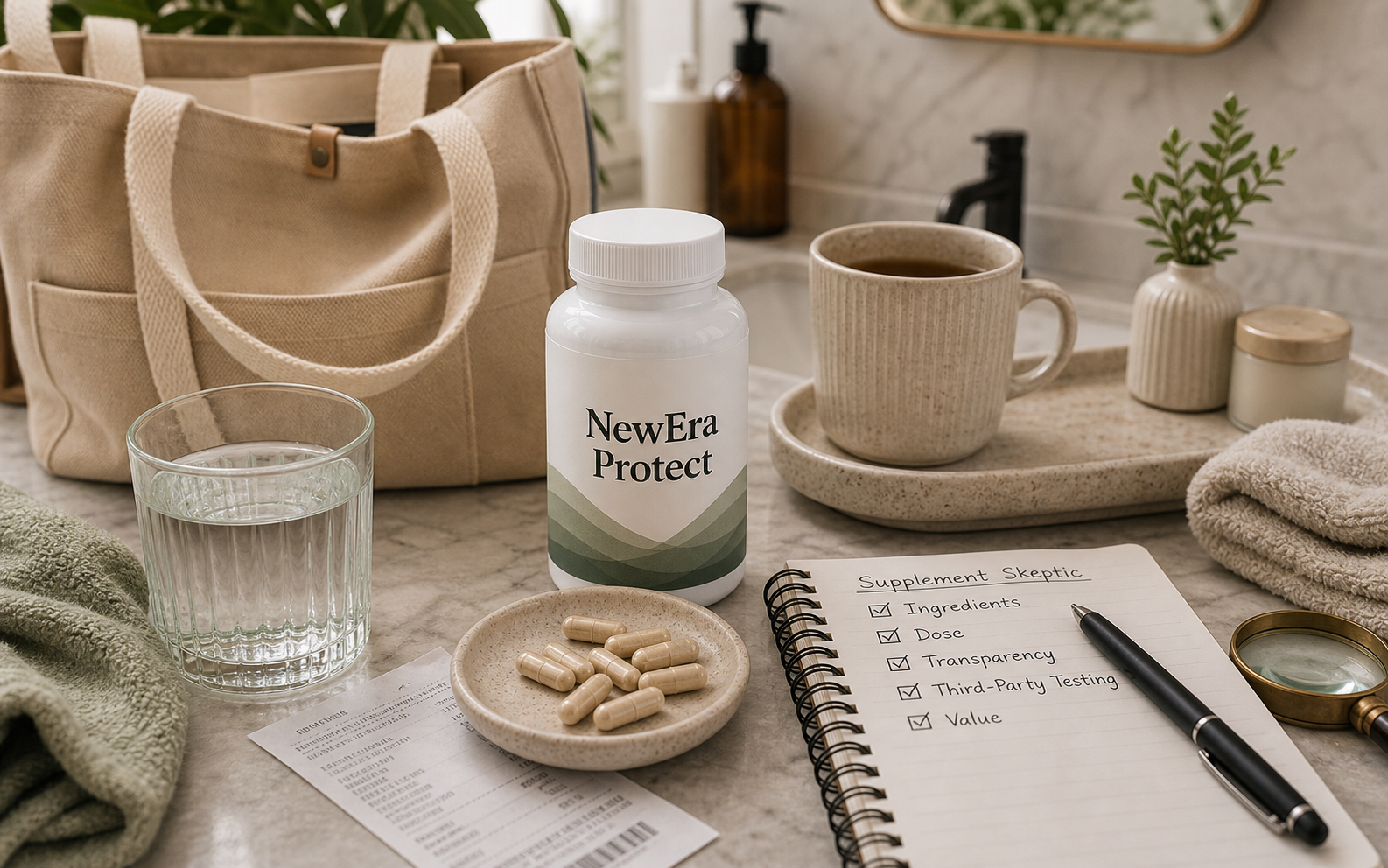
The final call
The verdict is a buying decision, not a vibe.
A review only earns a positive frame when evidence, dose transparency, price, refund terms, and safety caveats line up. If one of those breaks, the verdict says where.
Reader takeaway: buy only when the formula and the terms make sense together.The verdict scale
Four outcomes, written for a buyer standing at checkout.
Evidence supports the claim, the dose is honest, the price is fair, and the terms are clean.
The formula has a credible use case, but the reader needs to accept clear limits or caveats.
Some ingredient logic is real, but the dose, framing, or sales page weakens the buy case.
Dosing, evidence, claim quality, pricing, or checkout risk makes the product a poor buy.