Review · General
The Knee Pain Relief Codes Program: 90% Commissions
A recurring-billing knee pain program marketed to affiliates, not buyers. The sales page hides what you actually get behind a wall of affiliate recruitment language.
Skeptic read
Avoid3.0/10
A recurring-billing knee pain program marketed to affiliates, not buyers. The sales page hides what you actually get behind a wall of affiliate recruitment language.
- Price checked
- Not listed
- Dose visibility
- Better than average: key doses are disclosed enough to compare
- Main risk
- Sales page written entirely for affiliate recruitment, not buyer information — you learn nothing about the actual program
- Better use case
- Extreme bargain hunters willing to document the price, test the program quickly, and cancel the recurring subscription within the refund window — a high-effort gamble
- Skip if
- You want transparent pricing and a clear outline before buying
- Evidence file
- 1 source attached
What The Knee Pain Relief Codes Program is, in one sentence.
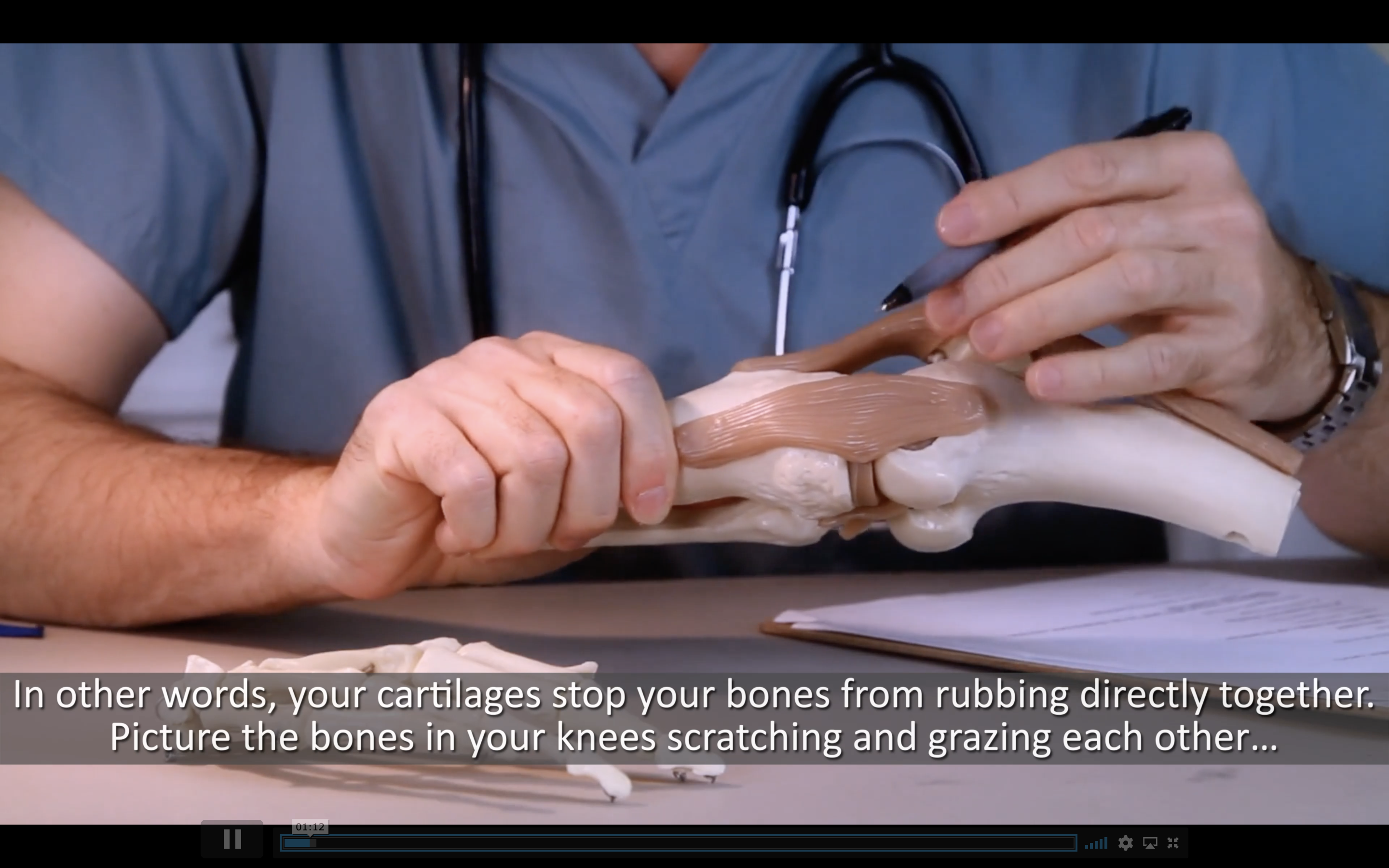
A digital knee pain program sold on ClickBank with recurring billing, marketed almost exclusively to affiliates rather than to people with knee pain, and built around an unverifiable NBA athlete endorsement.
The sales page is a recruitment tool for affiliates, not a product page for buyers. That’s the first and most important thing to understand. The title itself — “The Knee Pain Relief Codes Program: 90% Commissions” — tells you who this page is for. It’s for the person who will sell it, not the person who will use it.
What you actually get
The sales page does not list specific deliverables. No chapter outline, no sample video, no table of contents. Based on the structure of similar ClickBank health programs, you’re likely buying access to a members’ area with a series of videos or PDFs that explain “codes” — probably a mix of movement patterns, stretches, or “activation” techniques. But you won’t know until after you pay.
What the marketing does tell you:
- There is a recurring billing component. The ClickBank listing confirms
hasRecurring: true. That means you are not making a one-time purchase. You are signing up for a subscription that will charge you again unless you cancel. - There are multiple upsells. The description says “Multiple Upsells.” After the initial purchase, you’ll be offered additional products. The refund window applies to each, but you’ll need to refund them separately if you decide the program isn’t for you.
- The program is aimed at men and women 45–65+. That’s the demographic the affiliate page says it “easy sells” to. That tells you the marketing is designed to convert that age group, not that the program was specifically designed for their knee physiology.
How the marketing oversells
Every sentence on the ClickBank marketplace listing is written for affiliates, not end users. Let’s translate:
- “NBA Athletes High Converting Knee Pain Program” → The program uses an NBA athlete’s name or likeness to boost conversion rates. Whether that athlete actually contributed or was compensated for an endorsement is unknown. High-converting means the sales page is effective at getting people to buy, not that the program is effective at relieving knee pain.
- “Earn 90% Commissions And Rack in Big $$ With This Proven Offer.” → Affiliates keep 90% of the sale price. That’s an unusually high commission, which means the vendor is willing to give away almost all the revenue to acquire customers. Why? Because the real money is in the recurring billing and upsells. The initial sale is a loss leader to get you into a subscription.
- “Works On Cold Traffic And Has A Low Refund Rate.” → “Cold traffic” means people who have never heard of the product before. The sales page is designed to convince strangers quickly. A low refund rate could mean customers are satisfied, or it could mean the refund process is obscured by the recurring billing — people forget they’re subscribed and don’t notice the charges, or they find it too much hassle to cancel.
- “Easy Sell To Women & Men 45-65+. $2-3 EPC Average.” → EPC is earnings per click, an affiliate metric. It means affiliates make $2–3 on average for every person they send to the sales page. That’s a signal of a high-converting funnel, not a useful product.
The entire pitch is a business opportunity for affiliates, not a health solution for buyers. When a product’s own description doesn’t mention what’s inside, that’s a red flag the size of a billboard.
How it tells you to use it
We don’t know. The sales page doesn’t provide a program outline, a daily routine, or any specifics about what you’ll be doing. If the program follows the pattern of similar “codes” products, it likely involves a sequence of movements or positions you’re supposed to perform daily. But without a preview, you’re buying blind.
A legitimate knee pain program would tell you upfront: “You’ll get 12 video lessons, each 10 minutes long, covering mobility, stability, and strengthening. You’ll need a chair, a wall, and a resistance band.” This one tells you none of that. You’re buying a promise wrapped in an affiliate pitch.
What it costs and how the refund works
The price is not disclosed on the ClickBank listing or the sales page we accessed. That’s a deliberate choice. High-pressure funnels often hide the price until the last possible moment, after you’ve watched a long video sales letter (VSL) designed to build emotional urgency. Expect the initial price to be somewhere between $37 and $67 based on similar products, but that’s an estimate. The real cost is the recurring subscription and the upsells.
Because the product has recurring billing, you are not making a one-time purchase. You are agreeing to be charged periodically — monthly, quarterly, or annually — until you cancel. The frequency and amount are not stated anywhere we could find before purchase. That’s a significant financial risk.
The 60-day ClickBank refund window does apply to the initial purchase. If you buy and decide it’s not for you, you can email ClickBank support with your order ID and get a refund. That process works. But the refund does not automatically cancel your recurring subscription. You must cancel the subscription separately through ClickBank or the vendor’s billing system. If you only request a refund for the initial charge and forget to cancel the recurring billing, you will continue to be charged. This is a common trap.
Where the marketing oversells (the specific lines)
“NBA Athletes High Converting Knee Pain Program.” The NBA athlete is the hook. There is no way to verify the athlete’s involvement from the outside. Many ClickBank products use celebrity images without permission or pay for a brief, generic endorsement that doesn’t reflect real product development. Assume the athlete’s name is being used for conversion, not because they designed the program.
“Low Refund Rate.” As noted, a low refund rate in a recurring billing product can mean customers are satisfied, or it can mean they’re stuck in a subscription they don’t know how to cancel. Without transparency on the cancellation process, this claim is meaningless.
“Proven Offer.” Proven to convert, not proven to relieve knee pain. The affiliate world uses “proven” to mean the funnel has been tested and optimised for sales, not that the product has been tested in any clinical sense.
“Easy Sell To Women & Men 45-65+.” This is demographic targeting, not efficacy. It means the sales page uses language and imagery that resonates with that age group’s pain points. It does not mean the program was designed with age-specific considerations like osteoarthritis, meniscus tears, or joint replacement recovery.
Who should buy, who should skip
Skip this if you have knee pain and want a transparent, evidence-based program. The information asymmetry is too high. You don’t know what you’re buying, what it costs, or what the recurring charges will be. Free resources from physical therapists on YouTube, or a single visit to a real PT, will give you more reliable guidance than a blind ClickBank purchase.
Skip this if you dislike recurring billing. The program is built to keep charging you. Even if the initial content is decent, the subscription model means you’re paying indefinitely for access to what is likely a fixed set of videos. Once you’ve learned the “codes,” there’s no reason to keep paying — but the billing will continue unless you actively cancel.
Only consider this if you are an extreme bargain hunter willing to do the following: record the price you paid, note the recurring billing frequency and amount (if disclosed at checkout — it may not be), set a calendar reminder to cancel the subscription within the refund window, and then actually go through the entire program in a few days to decide if it’s worth keeping. Even then, you’re gambling your time and attention on a product that has given you no reason to trust it.
The honest read
The Knee Pain Relief Codes Program is not a product page for people with knee pain. It’s a recruitment page for affiliates. The language is entirely about commissions, conversion rates, and traffic sources. The actual contents are a black box. The recurring billing model and hidden pricing are designed to maximize customer lifetime value, not to deliver a one-time solution.
There is a real need for knee pain relief among the 45–65+ demographic. But that need is better served by a physical therapist, a well-reviewed book with a transparent table of contents, or even free YouTube channels from licensed professionals. This program offers none of that transparency. It offers an NBA athlete’s name and a promise of high commissions for the people selling it.
If the vendor were confident in the program’s value, they would tell you exactly what you’re getting before you pay. They would list the exercises, the duration, the required equipment. They would offer a one-time purchase option without recurring billing. They would let the product speak for itself instead of hiding behind affiliate metrics.
Until that changes, this is a product I would not buy.
— Mara Vance
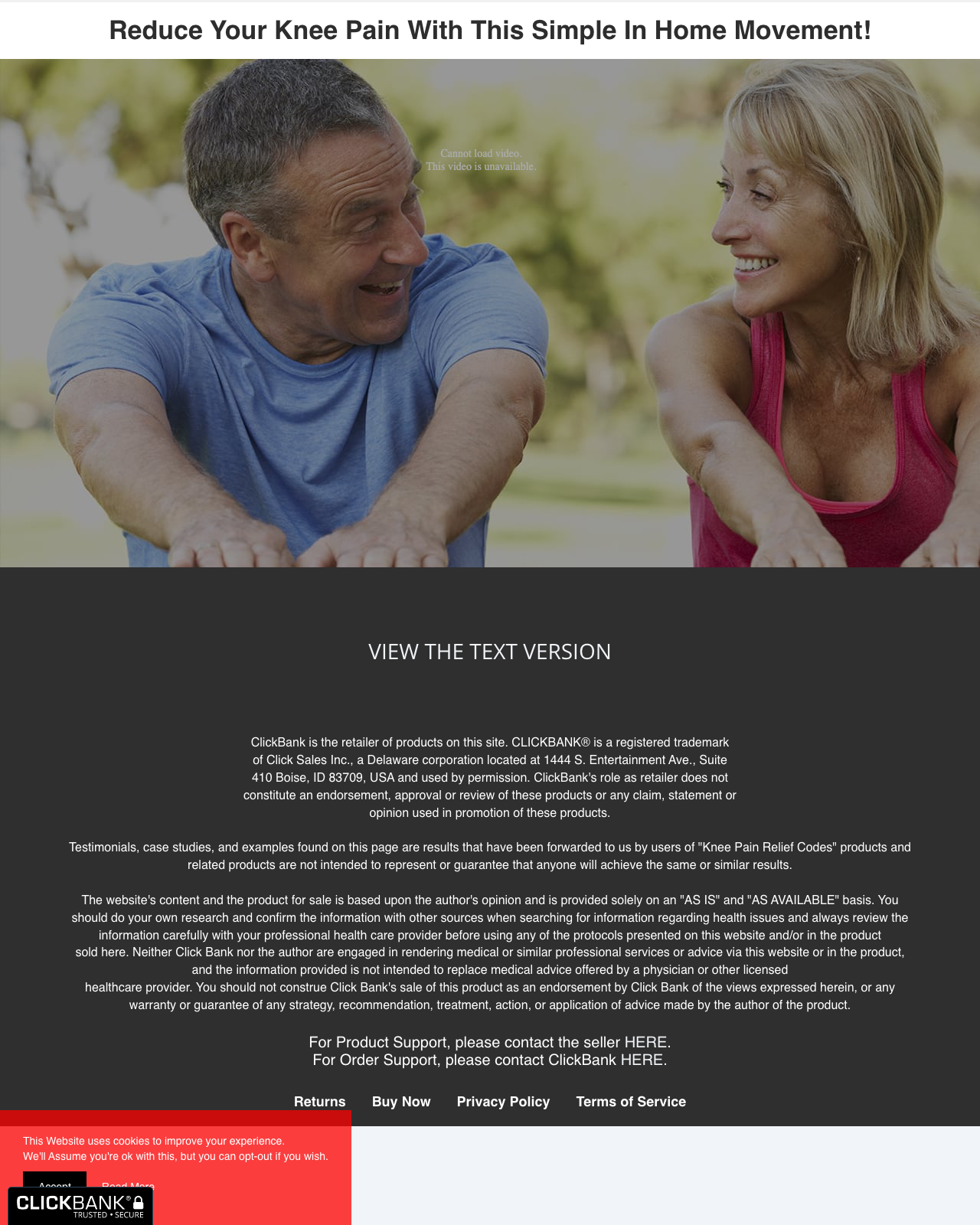
This is the live The Knee Pain Relief Codes Program: 90% Commissions funnel our verdict is based on. We measure these on-page promises against the evidence, dose math, price, and refund mechanics above — tap the image to see the seller’s current offer and terms.
 Live sales page →
 Here's what I'd actually do
If you opened this at 11 pm and the page made the supplement look like an answer to something larger:
Close this tab. The Knee Pain Relief Codes Program: 90% Commissions is in the band where the marketing is doing the heavy lifting and the formula is not. There are evidence-based versions of every promise on that sales page, and most of them cost a third of the price with full label transparency.
Don't buy this if: Do not buy this if you have a diagnosed condition that this product is implicitly addressing. See a clinician. A $69 bottle does not replace a $0-with-insurance lab panel.
— Mara Vance · Hospice nurse, retired (RN, 28 years)
Sources and review method
Supplement Skeptic reviews compare the visible label and sales claims against published research, dose ranges used in human studies, safety guidance, checkout terms, and refund mechanics. This page is not medical advice.
- Vendor sales page — ClickBank-listed sales page (active as of catalog import)
Frequently asked questions
- Is The Knee Pain Relief Codes Program a scam?
- Not necessarily a scam — the product likely exists and delivers something. But the marketing is deceptive, prioritizing affiliate recruitment over buyer transparency. The recurring billing and hidden pricing are designed to extract more money than you might expect.
- What do I actually get when I buy?
- The sales page doesn't specify. Based on similar ClickBank programs, you probably get access to a members' area with videos or PDFs explaining 'codes' — likely movement patterns or stretches. But you won't know the details until after you pay.
- Is the 60-day refund real?
- Yes, the 60-day ClickBank refund window is real for the initial purchase. Email ClickBank support with your order ID. However, the refund does not cancel the recurring subscription — you must cancel that separately or you'll keep getting charged.
- Will this program fix my knee pain?
- There is no evidence provided. The marketing doesn't cite any studies, credentials, or even a sample exercise. For real knee pain relief, consult a physical therapist or use free, evidence-based resources from licensed professionals.
More in General