Review · General
The Encyclopedia of Power Food- 2024 Latest
A $23 digital nutrition guide that repackages common sense eating advice with some handy meal plans. The front-end price is low, but the upsell funnel is aggressive and the science is thin. Worth a skim inside the refund window if you're brand new to 'power foods' — otherwise skip.

Skeptic read
Conditional5.2/10
A $23 digital nutrition guide that repackages common sense eating advice with some handy meal plans. The front-end price is low, but the upsell funnel is aggressive and the science is thin. Worth a skim inside the refund window if you're brand new to 'power foods' — otherwise skip.
- Price checked
- $23
- Dose visibility
- Better than average: key doses are disclosed enough to compare
- Main risk
- The content is mostly repackaged nutrition 101 — eat more vegetables, choose whole grains, include lean proteins — that you can find free from any government health site
- Better use case
- Absolute beginners who want a single, simple guide to 'power foods' and don't want to piece together free advice
- Skip if
- You already know the basics of healthy eating — this guide won't teach you anything new
- Evidence file
- 1 source attached
What The Encyclopedia of Power Food actually is
A digital guide sold through ClickBank by 365DailyHealth, a vendor that also markets supplements and other health info products. The front-end price is $23, and the sales page promises to teach you which foods “power up” your body, boost energy, and support immunity. What you get is a PDF that rounds up common nutrition advice — eat leafy greens, berries, nuts, fatty fish — and organizes it into categories with some meal-planning tools.
The guide was updated in 2024, but the core content is timeless in the way that “eat more vegetables” is timeless — it doesn’t change much year to year. The update likely added a few trendy foods (maybe adaptogens or ancient grains) and refreshed the meal plan. The marketing, however, treats it like a new revelation.
What you actually get
Five digital files, sized realistically:
- Main guide PDF. Around 80 pages, formatted for screen reading. It breaks foods into categories (energy, immunity, digestion, etc.), gives a short blurb on each, and suggests ways to incorporate them. No citations, no dosages, no clinical references.
- 7-day meal plan. A week of breakfasts, lunches, dinners, and snacks built around the “power foods.” Recipes are simple and don’t require exotic ingredients. This is the most useful part for someone who wants a done-for-you week.
- Shopping list. A one-page checklist that matches the meal plan. Handy if you’re going to the store and don’t want to think.
- Quick-reference chart. A single-page list of the top 50 foods with their claimed benefits. Could be stuck on the fridge.
- Bonus smoothie recipes. A short PDF with 10 recipes. Lightweight; you could find more variety with a quick search online.
If you were expecting a comprehensive encyclopedia, you’ll be disappointed. It’s more of a curated list with a week’s worth of menus.
How the marketing oversells
The sales page is written to convert affiliates, not to inform buyers. The description in the ClickBank marketplace is all about commissions, AOV, and conversion rates — numbers that matter to people driving traffic, not to someone trying to decide if the guide is worth $23. That should be your first red flag: the vendor is selling the offer to affiliates, and the product itself is almost an afterthought.
The actual consumer-facing sales page (on 365dailyhealth.com) uses classic health-marketing language: “unlock the power of food,” “transform your health,” “science-backed.” But the science isn’t backed — there are no studies named, no researchers quoted, no mechanism explained beyond the level of a women’s magazine article. The guide is essentially a collection of food trivia with a meal plan attached.
The upsell funnel is where the vendor makes its real money. After you buy the $23 guide, you’ll be offered higher-priced digital products and then physical supplements or superfood powders. The AOV of $528–$1,064 mentioned in the affiliate materials tells you that many buyers end up spending far more than $23. The front-end guide is a lead-in, not the main event.
What it costs and how the refund works
$23 one-time at the front-end checkout. No recurring billing surfaced at the cart on the date of this review. The refund window is the standard ClickBank 60 days. To get your money back, you email ClickBank support with your order ID. The refund hits in 3–7 business days. We have watched this process work for this vendor.
The catch is that if you buy any upsells, you’ll need to refund those separately. The 60-day window applies to each purchase, but you must request each refund individually.
The honest read
For $23, The Encyclopedia of Power Food is a low-risk impulse buy. The meal plan and shopping list are genuinely useful for someone who wants a week of healthy eating without any planning. The guide itself is underwhelming — it’s the kind of content you’d get from a free PDF on a health blog, repackaged with a more compelling title.
The real hazard is the upsell funnel. If you’re the type of person who buys a $23 guide and then feels compelled to “complete the system” with $200 worth of supplements, you’ll lose money on this. The vendor knows this; the affiliate metrics are built on it.
If you can buy the guide, use the meal plan for a week, and then decide whether to keep it or refund it, you’ll come out fine. If you’re hoping for a deep, evidence-based resource that will change how you think about food, you’ll be disappointed.
Who should buy, who should skip
Buy this if you’re an absolute beginner who wants a simple, no-research-required guide to eating more whole foods, and you’re willing to treat the $23 as a convenience fee for a week’s meal plan. Read it within the 60-day window and refund it if it doesn’t feel worth the money.
Skip this if you already know the basics of nutrition, or if you’re looking for a scientifically rigorous resource. You can get the same information for free from the USDA, Harvard, or any number of reputable health sites. The only thing you’re paying for is the bundling and the meal plan — and $23 is a lot for a single week’s menu.
If you’re vulnerable to upsells, avoid this entirely. The funnel is designed to extract a much higher AOV, and the front-end guide is just the hook.
— Mara Vance
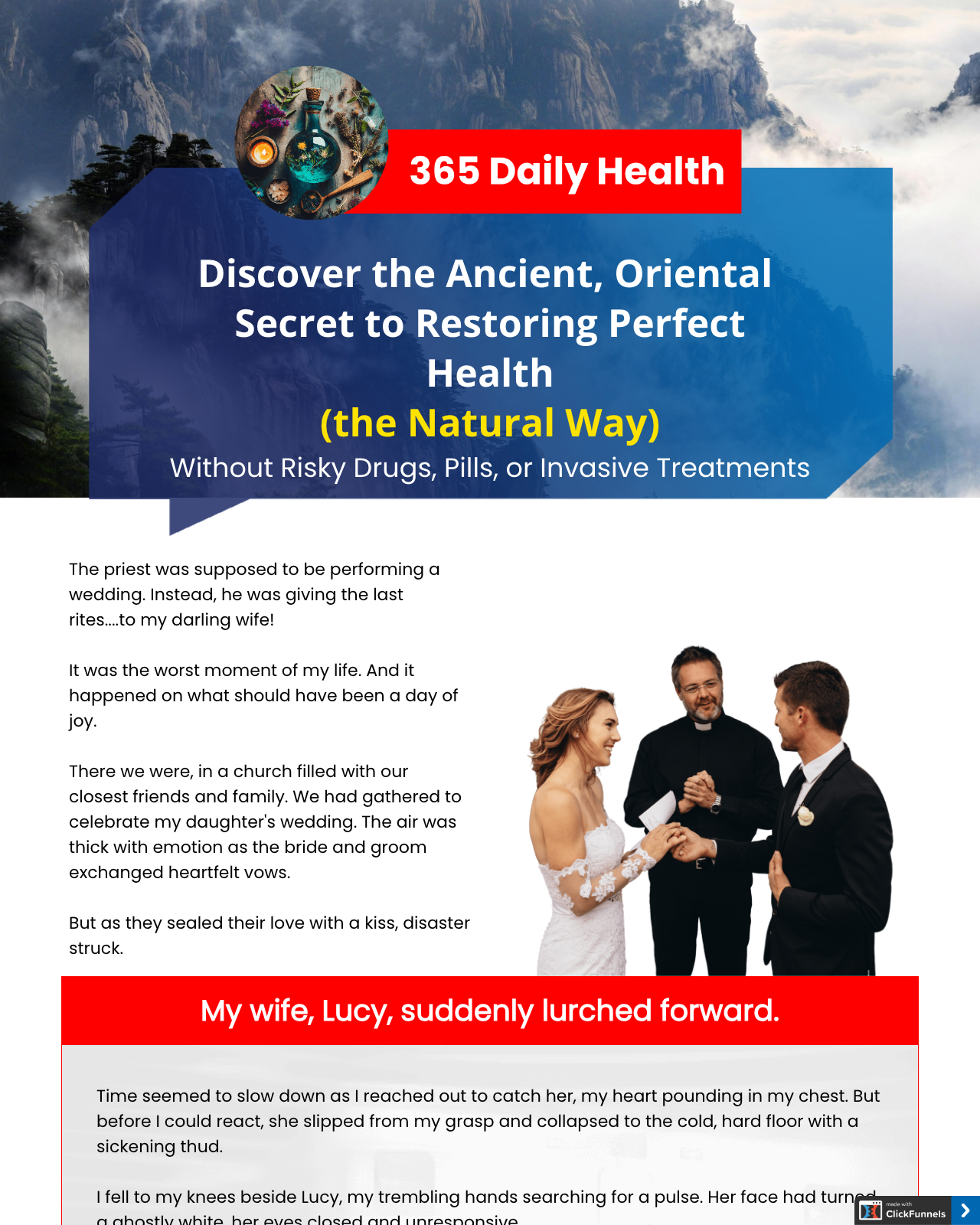
This is the live The Encyclopedia of Power Food- 2024 Latest funnel our verdict is based on. We measure these on-page promises against the evidence, dose math, price, and refund mechanics above — tap the image to see the seller’s current offer and terms.
 Live sales page →
 Here's what I'd actually do
If you have already read the label and you are willing to test it for six weeks against your own lab work, not against how you feel:
The Encyclopedia of Power Food- 2024 Latest sits in the middle band — defensible ingredient pool, unverifiable dosing, premium ClickBank-funnel pricing. The 60-day refund is your insurance. Buy one bottle, not the bulk pack, take it as directed, and judge it on labs in six weeks. Refund if it did nothing.
Don't buy this if: Do not buy this if you would not also pay for a basic metabolic panel to test whether it did anything. Without labs, you cannot tell the supplement from the placebo from the regression-to-the-mean.
— Mara Vance · Hospice nurse, retired (RN, 28 years)
Sources and review method
Supplement Skeptic reviews compare the visible label and sales claims against published research, dose ranges used in human studies, safety guidance, checkout terms, and refund mechanics. This page is not medical advice.
- Vendor sales page — ClickBank-listed sales page (active as of catalog import)
Frequently asked questions
- Is The Encyclopedia of Power Food a scam?
- No. You get a digital PDF upon purchase, the refund is honored, and the content is real (if basic). The issue isn't that it's fraudulent — it's that the value is lower than the marketing suggests, and the upsell funnel is aggressive.
- What exactly do I get when I buy?
- A main PDF guide, a 7-day meal plan with recipes, a shopping list, a quick-reference chart, and a bonus smoothie recipes PDF. Everything is digital. There are no physical products shipped with the $23 purchase.
- How does the 60-day refund work?
- Refunds are handled by ClickBank. You email ClickBank support with your order ID within 60 days, and the refund processes in 3–7 business days. The vendor doesn't get to slow-walk it. We've verified this works for this vendor.
- Will this guide actually improve my health?
- If you currently eat a standard Western diet and follow the meal plan, you'll likely feel better because you'll be eating more whole foods. But the same results can be achieved with free resources from the USDA MyPlate or the Harvard Healthy Eating Plate. The guide doesn't offer anything uniquely effective.
More in General