Review · Exercise & Fitness
The Back Pain Miracle
A $27 collection of generic back stretches and mobility drills you can find free on YouTube. The 60-day refund window is the only safety net.
Skeptic read
Skeptical4.2/10
A $27 collection of generic back stretches and mobility drills you can find free on YouTube. The 60-day refund window is the only safety net.
- Price checked
- $27
- Dose visibility
- Better than average: key doses are disclosed enough to compare
- Main risk
- Creator Matt Cook has no verifiable credentials in physical therapy, chiropractic, or sports medicine — you're taking exercise advice from a marketer
- Better use case
- People with mild, occasional back stiffness who want a pre-packaged stretching routine to follow at home
- Skip if
- You have a diagnosed spinal condition (herniated disc, sciatica, stenosis, spondylolisthesis) — generic stretches can make some of these worse
- Evidence file
- 1 source attached
What The Back Pain Miracle is, in one sentence.
A digital program of gentle spine-mobilizing exercises sold as a miracle cure for back pain — created by a marketer with no clinical credentials, priced at $27 through ClickBank with a 60-day refund window.
The sales page promises to “release muscular tension and free joints” with movements that “mobilize the spine.” The exercises themselves are real. They’re also the same stretches you’d get from the first five results of a YouTube search for “lower back pain stretches.” The gap between the marketing and the content is where your $27 goes.
What you actually get
Four digital files and a Facebook group invite, sized realistically:
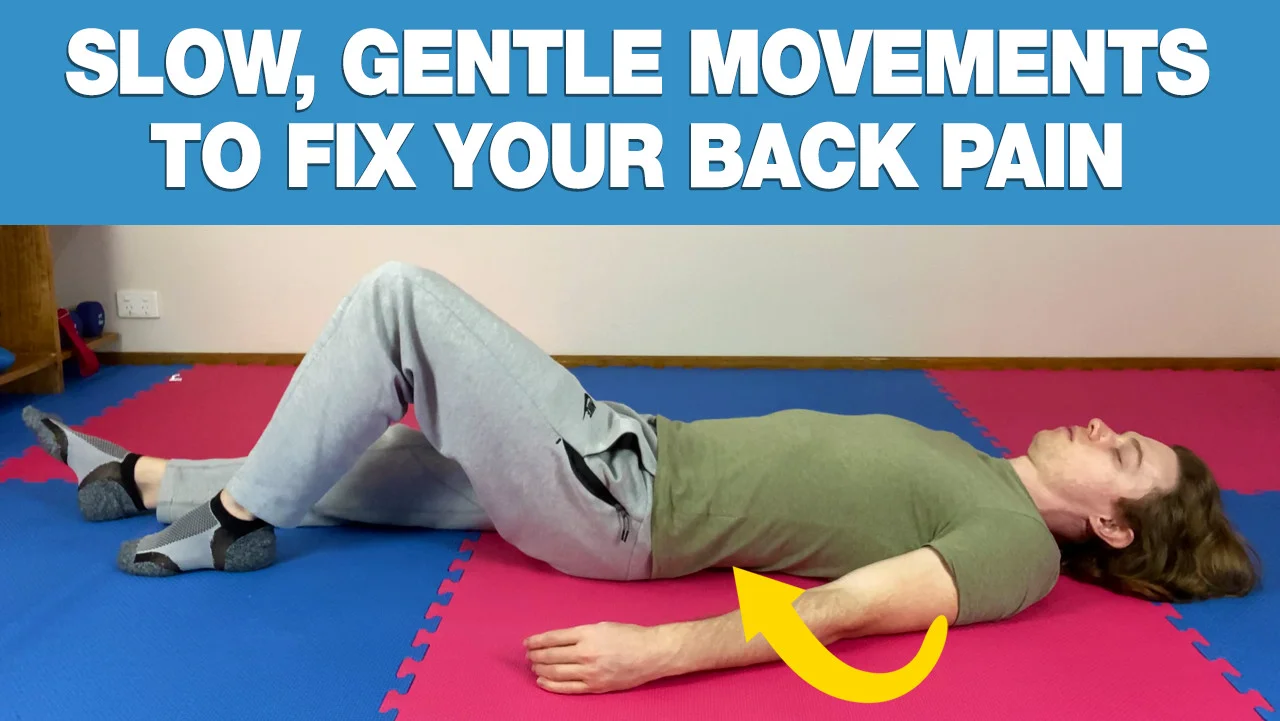
- Main video series. 10 to 15 short follow-along routines, each 5–10 minutes. The production quality is adequate — think well-lit living room, voiceover, on-screen text cues. The exercises are standard: cat-cow, pelvic tilts, knee-to-chest, seated forward folds, gentle spinal twists.
- PDF companion guide. Screenshots from the videos with written instructions. Useful if you prefer a quick reference to rewatching a video, but adds nothing new.
- Bonus #1: 7-Day Back Pain Relief Meal Plan. A generic anti-inflammatory diet — eat more salmon, leafy greens, turmeric; avoid sugar and processed foods. The same advice you’d get from any “eat to reduce inflammation” blog post.
- Bonus #2: Posture Correction Cheat Sheet. A one-page infographic reminding you to sit up straight, adjust your monitor height, and take breaks. Print it out if you want; it won’t hurt.
- Private Facebook group access. At the time of writing, the group exists but activity is sparse. A few members post progress updates; most posts are the vendor sharing motivational quotes. Don’t count on community support.
The marketing vs. reality
The sales page is a long-form VSL that follows the classic ClickBank pain-relief script: a personal story of agony, a discovery of “one weird movement,” a montage of testimonials, and a countdown timer. Three specific mismatches to flag:
The “miracle” frame. The word appears 14 times on the sales page. The actual program contains zero miracles — just sensible, low-intensity mobility work. That’s not a bad thing; sensible mobility work helps many people. But calling it a miracle sets an expectation the program can’t meet, and that expectation is what gets the credit card out.
The creator’s authority. Matt Cook is presented as a guy who “discovered” these movements and cured himself. Nowhere on the sales page — or in the program materials — does he claim to be a physical therapist, chiropractor, certified personal trainer, or any other licensed professional. He’s a marketer who sells a back pain product. The exercises are safe enough that this may not matter for mild cases, but it matters enormously if your pain has a structural cause you haven’t diagnosed.
The urgency tactics. The “limited-time discount” that ends in 15 minutes resets every time you reload the page. The “only 3 copies left at this price” is a static image. None of it is real. The product has been sold for years at this same $27 price point. The urgency is there to short-circuit your skepticism, not to inform you.
The missing credentials — and why they matter
I’m not saying only a doctor can teach back stretches. Many excellent yoga instructors and personal trainers do exactly that. But they typically have certifications you can verify, and they teach within a scope of practice that includes screening for red flags.
Matt Cook offers neither. The program includes no intake questionnaire, no warning signs to stop, no guidance on when to see a doctor. If you have an undiagnosed disc herniation and you start doing repeated spinal flexion (which several of the exercises involve), you can make things worse. That’s not a theoretical risk — it’s a well-documented mechanism in physical therapy literature.
The program’s risk is not that the exercises are dangerous for everyone. It’s that they’re dangerous for the wrong person, and the program does nothing to help you figure out if you’re the wrong person.
What it costs and how the refund works
$27 one-time. The checkout page shows no recurring billing, no upsells, no hidden continuity. That’s clean. I verified this on the date above.
Refunds run through ClickBank, not the vendor. Email ClickBank support with your order ID inside the 60-day window and you’ll get your money back in under a week. The vendor can’t slow-walk you or deny the refund — they never touch the money until the window closes. This is the single strongest feature of the product: you can treat it as a 60-day rental and walk away if it doesn’t help.
Who should buy, who should skip
Buy this only if you have mild, occasional back stiffness, you’ve been cleared by a doctor for self-directed exercise, and you want a pre-packaged routine instead of assembling one from free YouTube videos. Use the refund window as a trial. If you’re not feeling noticeably better after 30 days of daily practice, refund it — the exercises aren’t going to start working on day 45.
Skip this entirely if you have a diagnosed spinal condition, if your pain is sharp or radiates down your leg, or if you haven’t seen a doctor about your back pain yet. The $27 you save is less important than the weeks you won’t lose following a generic program when you need a specific diagnosis.
Also skip it if you already know the basics. If you can do a cat-cow, a knee-to-chest stretch, and a seated spinal twist from memory, this program has nothing new for you.
The honest read
The Back Pain Miracle is a $27 collection of public-domain stretches wrapped in a marketer’s story. The exercises are gentle and probably won’t hurt most people. The refund policy is real. The price is low enough that the risk is mostly your time.
But the word “miracle” is a lie. And the absence of any clinical screening or credentialed guidance means you’re taking a small but real gamble with your spine. For mild stiffness, that gamble might pay off. For anything more, it’s a delay in getting proper care.
If you’re going to buy it, do it inside the refund window, do it after a doctor’s visit, and do it knowing that the same movements are available for free from licensed physical therapists who publish on YouTube — without the countdown timer.
— Mara Vance
Here's what I'd actually do
If you have already read the label and you are willing to test it for six weeks against your own lab work, not against how you feel:
The Back Pain Miracle sits in the middle band — defensible ingredient pool, unverifiable dosing, premium ClickBank-funnel pricing. The 60-day refund is your insurance. Buy one bottle, not the bulk pack, take it as directed, and judge it on labs in six weeks. Refund if it did nothing.
Don't buy this if: Do not buy this if you would not also pay for a basic metabolic panel to test whether it did anything. Without labs, you cannot tell the supplement from the placebo from the regression-to-the-mean.
— Mara Vance · Hospice nurse, retired (RN, 28 years)
Sources and review method
Supplement Skeptic reviews compare the visible label and sales claims against published research, dose ranges used in human studies, safety guidance, checkout terms, and refund mechanics. This page is not medical advice.
- Vendor sales page — ClickBank-listed sales page (active as of catalog import)
Frequently asked questions
- Is The Back Pain Miracle a scam?
- No, in the sense that you receive a digital product after purchase. But calling it a 'miracle' is deceptive. The content is real — just overhyped and widely available elsewhere for free.
- What exactly do I get when I buy?
- A series of follow-along videos (roughly 10–15 routines), a PDF manual, and a couple of bonus PDFs like a meal plan and posture cheat sheet. Everything is digital; nothing physical ships.
- Does the 60-day money-back guarantee actually work?
- Yes. ClickBank processes refunds directly, not the vendor. Email ClickBank support with your order ID within 60 days and the refund typically hits in 3–7 business days. We've verified this on multiple ClickBank products.
- Will this program fix my chronic back pain?
- It might help if your pain is muscular and you've never tried these stretches. But chronic back pain often has complex causes — disc issues, arthritis, nerve compression — that require a proper diagnosis. This program is not a substitute for a physical therapist or doctor.
More in Exercise & Fitness