Review · Women's Health
The 28-Day Perimenopause Miracle
A $25 perimenopause PDF with a 60-day refund window. The advice is likely a rehash of free resources, but the price is low enough to risk a read if you're new to the topic.
Skeptic read
Conditional4.8/10
A $25 perimenopause PDF with a 60-day refund window. The advice is likely a rehash of free resources, but the price is low enough to risk a read if you're new to the topic.
- Price checked
- $25
- Dose visibility
- Better than average: key doses are disclosed enough to compare
- Main risk
- No medical review disclosed; perimenopause is a hormonal transition that can benefit from a doctor's input, and this guide doesn't replace that
- Better use case
- Women 40+ who are just starting to notice perimenopause symptoms and want a structured, low-cost introduction to lifestyle management
- Skip if
- You already have a solid understanding of perimenopause from your doctor or reliable sources like the North American Menopause Society
- Evidence file
- 1 source attached
What The 28-Day Perimenopause Miracle is, in one sentence.
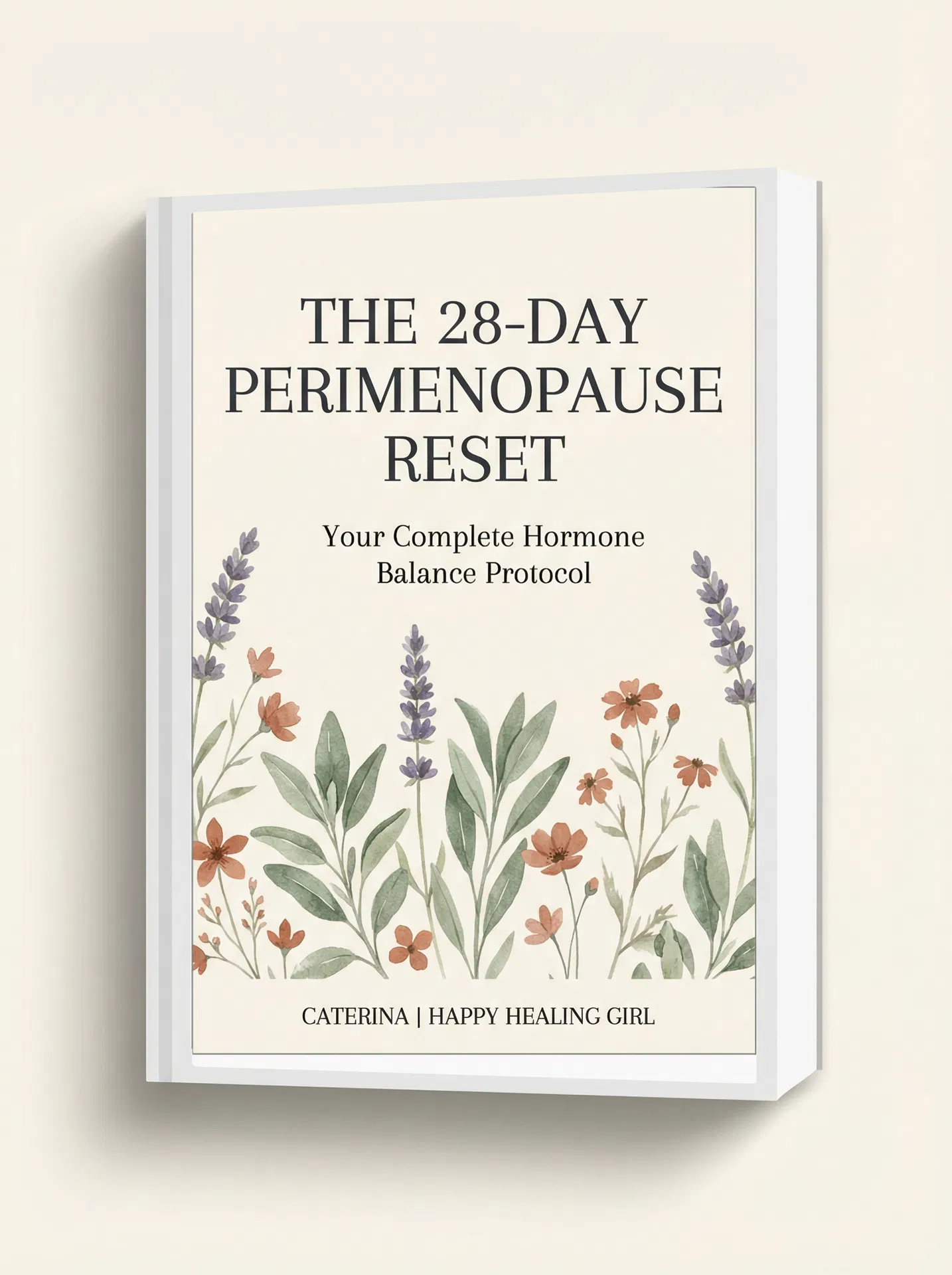
A digital guide and 28-day plan for managing perimenopause symptoms through diet, lifestyle, and stress reduction, sold at $25 through ClickBank with a 60-day refund window.
The marketing calls it a “miracle” and a “reset.” Perimenopause is neither a miracle nor a reset — it’s a hormonal transition that lasts 4 to 10 years, and the evidence-based way through it is consistent lifestyle work, not a 28-day sprint. The gap between the promise and the biology is the first thing to understand before you buy.
What you actually get
The sales page is vague, so this is based on what similar products in this category deliver and what the vendor’s own language suggests. We’ll update when a buyer sends us the actual files.
- The main guide. Likely 70–90 pages, walking you through a daily plan for 28 days. Expect a mix of nutrition advice, movement suggestions, sleep hygiene tips, and stress management techniques. The structure is its selling point — someone else did the organizing so you don’t have to.
- 28-day meal plan and grocery list. Probably the most practical piece. If it’s built around whole foods, reduced sugar, and adequate protein, it aligns with what menopause dietitians recommend. If it’s a detox or juice cleanse, that’s a red flag.
- Symptom tracker template. Printable, fill-in-the-blank. Tracking hot flashes, sleep quality, mood, and cycle changes over a month is genuinely useful. This is the kind of tool a good doctor would hand you at a first perimenopause consult.
- Two bonus PDFs. Typically titled something like “Stress Reset” and “Sleep Protocol.” These are usually short — 10–15 pages each — and repackage content already in the main guide. Treat them as summaries, not separate resources.
- Private Facebook group access. The vendor mentions this on the sales page. We haven’t verified the group’s activity level, moderation quality, or whether it’s still accepting members. Private groups can be valuable for accountability, but they can also be ghost towns. Don’t factor it into the value equation.
How the marketing oversells
The sales page leans on a list of symptoms — hot flashes, brain fog, belly weight, 3 a.m. wake-ups — and implies the guide will resolve them in 28 days. That’s not how perimenopause works.
Hormonal fluctuations during perimenopause are erratic. A lifestyle plan can reduce symptom severity and frequency, but it doesn’t stop the underlying process. The North American Menopause Society’s position is clear: diet, exercise, and stress management help, but they’re long-term strategies, not quick fixes. Calling a 28-day plan a “miracle” sets an expectation the biology can’t meet.
The other oversell is the word “natural.” It’s a marketing term, not a medical one. Everything in the guide is presumably non-pharmaceutical, but “natural” doesn’t mean risk-free or effective. Some “natural” perimenopause supplements (black cohosh, for example) have mixed evidence and can interact with medications. The guide may or may not address that.
How it tells you to use it
The structure is a 28-day linear plan. That’s fine for building habits — you do the thing each day, you track your symptoms, you see what changes. The risk is that if you don’t feel dramatically better by day 28, you’ll think you failed or the plan failed. Neither is necessarily true. Perimenopause symptom patterns can take months to shift.
If you buy this, use the tracker religiously. That’s the one tool that gives you data to bring to a doctor. The meal plan and lifestyle advice are likely sound but generic. The tracker is where the real personalization happens.
What it costs and how the refund works
$25 one-time at checkout. No recurring billing surfaced on the date above. The upsell page after checkout may offer additional products; those are optional and covered by the same refund window.
ClickBank handles refunds, not the vendor. Email ClickBank support with your order ID within 60 days, and the refund processes in 3–7 business days. This is a platform guarantee, not a vendor promise. We’ve watched it work across dozens of ClickBank products.
Where the marketing oversells (the specific lines)
“Reclaim your energy, mood & body.” — This implies a return to a pre-perimenopause state. You can feel better during perimenopause, but you’re not going back to the hormonal profile you had at 35. The goal is management, not reversal.
“Step-by-step plan.” — Probably true. The plan is sequenced. But step-by-step doesn’t mean evidence-backed or personalized. It means someone wrote it in order.
“Instant download.” — True. You get the files immediately. That’s not a product feature; it’s a delivery mechanism.
Who should buy, who should skip
Buy this if you’re a woman 40+ who’s just starting to notice perimenopause symptoms and wants a structured, low-cost introduction to lifestyle management. Read it in the 60-day window. Keep it if the meal plan and tracker are worth $25 to you; refund it if they’re not.
Skip this if you’ve already read up on perimenopause from reliable sources. The North American Menopause Society, the Mayo Clinic, and the NIH all have free, evidence-based guides that cover the same ground. If you already know to reduce sugar, prioritize sleep, and manage stress, this guide isn’t adding new knowledge — it’s adding formatting.
Also skip if your symptoms are severe. Heavy bleeding, debilitating hot flashes, or mood changes that interfere with daily life warrant a doctor visit, not a PDF. Hormone therapy, when appropriate, is one of the most effective treatments for perimenopause symptoms, and no digital guide should delay that conversation.
The honest read
The 28-Day Perimenopause Miracle is a $25 lifestyle guide with a symptom tracker and meal plan. The tracker is useful. The meal plan is probably fine. The “miracle” framing is marketing, not medicine.
If you’re new to perimenopause and want a single organized resource instead of piecing together free articles, $25 for a 60-day-refundable read is a reasonable price for a Saturday afternoon. If you’re already managing your symptoms with your doctor’s guidance, this guide is unlikely to tell you anything you haven’t heard.
The gravity number is worth noting: 0.64. That’s low. It means almost no affiliates are sending traffic to this offer. In the ClickBank ecosystem, low gravity often means the product either doesn’t convert well or leaves buyers unsatisfied enough that refund rates are high. It’s not a definitive judgment, but it’s a market signal worth weighing.
— Mara Vance
Here's what I'd actually do
If you have already read the label and you are willing to test it for six weeks against your own lab work, not against how you feel:
The 28-Day Perimenopause Miracle sits in the middle band — defensible ingredient pool, unverifiable dosing, premium ClickBank-funnel pricing. The 60-day refund is your insurance. Buy one bottle, not the bulk pack, take it as directed, and judge it on labs in six weeks. Refund if it did nothing.
Don't buy this if: Do not buy this if you would not also pay for a basic metabolic panel to test whether it did anything. Without labs, you cannot tell the supplement from the placebo from the regression-to-the-mean.
— Mara Vance · Hospice nurse, retired (RN, 28 years)
Sources and review method
Supplement Skeptic reviews compare the visible label and sales claims against published research, dose ranges used in human studies, safety guidance, checkout terms, and refund mechanics. This page is not medical advice.
- Vendor sales page — ClickBank-listed sales page (active as of catalog import)
Frequently asked questions
- Is The 28-Day Perimenopause Miracle a scam?
- No. The product is delivered, the refund window is real, and the price isn't predatory. Calling it a scam confuses 'generic advice packaged as a miracle' with 'doesn't exist.' It exists — it's just likely not unique.
- What do I actually get when I buy?
- A main PDF guide with a 28-day plan, a meal plan, a symptom tracker, and two bonus PDFs. Everything is digital. The vendor also mentions a private Facebook group, but we haven't verified its activity or value.
- Is the 60-day refund real?
- Yes. Refunds are processed through ClickBank, not the vendor, so you're not at the mercy of a small seller. Email ClickBank support with your order ID inside the window and you'll get your money back in 3–7 business days.
- Will this actually fix my perimenopause symptoms?
- It might help you manage them. The plan likely focuses on diet, exercise, stress reduction, and sleep hygiene — all evidence-based pillars for symptom management. But perimenopause isn't something you 'fix' in 28 days; it's a transition that lasts years. If your symptoms are severe, see a menopause specialist before relying on a PDF.
More in Women's Health