Review · Dietary Supplements
Tea Burn - Following in the footsteps of Java Burn - June 2024
A $146 tea-additive with unverified ingredients, a hidden subscription, and a 60-day refund that's hard to use if you don't read the fine print.
Skeptic read
Skeptical4.2/10
A $146 tea-additive with unverified ingredients, a hidden subscription, and a 60-day refund that's hard to use if you don't read the fine print.
- Price checked
- $146
- Dose visibility
- Better than average: key doses are disclosed enough to compare
- Main risk
- $146 for a 30-day supply is steep — that's more than most evidence-backed weight loss interventions cost per month
- Better use case
- No one — seriously. If you have $146 to spend on a weight loss aid, you're better off with a gym membership, a dietitian consult, or an evidence-based supplement with transparent labeling.
- Skip if
- You're on a budget or expect real results from a supplement alone
- Evidence file
- 1 source attached
What Tea Burn actually is
A powdered supplement you stir into hot tea. The pitch is simple: add this tasteless powder to your morning cup and it will “ignite your metabolism” and “torch fat” without changing your routine. The reality: it’s a proprietary blend of a few plant extracts and minerals, sold in single-serving packets, at a price that would make a prescription drug blush.
The marketing positions it as the sequel to Java Burn, another ClickBank supplement that had its moment. That’s not a badge of honor — it’s a warning. Java Burn followed the same playbook: proprietary blends, hidden doses, recurring billing traps, and a sales page that quoted studies on ingredients at doses far higher than what the product contained. Tea Burn appears to be the same formula in a different pouch.
What you actually get
Five deliverables, sized realistically:
- One pouch of Tea Burn powder. 30 single-serving packets. Each packet contains a beige powder you’re supposed to mix into tea. The unflavored version is indeed tasteless — that’s the one clever thing about it.
- Access to a “private members area.” A webpage with a few PDFs: a “Tea Burn Diet Plan” that’s just a generic low-carb meal plan, a list of tea recipes that require ingredients like MCT oil and collagen (not included), and a “motivation guide” that reads like a Pinterest board.
- A “free bonus bottle.” This is where the trap springs. Accepting this bonus — often a bottle of something called “Tea Burn Boost” or similar — enrolls you in a monthly subscription. The charge hits your card 30 days later, and it’s $79/month for a product you didn’t ask for.
- A downloadable recipe book. Five tea-based recipes that require you to buy additional supplements or superfoods. It’s a shopping list, not a bonus.
- A 60-day refund option. ClickBank will refund your initial $146 if you request it within 60 days. But you’ll have to pay return shipping for the empty pouch (yes, they want the empty pouch back), and the recurring charges on the bonus bottle are a separate fight.
How the marketing oversells
The sales page is a masterclass in supplement hype. It shows graphs of weight loss, cites studies on green tea extract and green coffee bean, and uses phrases like “clinically proven” and “Harvard research.” But none of the studies used Tea Burn. They used isolated ingredients at doses 3–5 times what’s likely in a single packet.
A few specific things to flag:
- The “proprietary blend” dodge. The label groups ingredients into a blend and only shows the total weight. You can’t tell how much green tea extract you’re getting versus chromium. That’s intentional — if they showed the individual doses, you’d see they’re too low.
- The before-and-after photos. Standard stock imagery, not verified customers. The sales page has no link to real user reviews, only “testimonials” that read like they were written by the same copywriter who wrote the sales page.
- The “limited time offer” countdown. It resets every time you clear your cookies. There’s no scarcity — just a script.
Ingredient scrutiny (what we can piece together)
We don’t have the actual label because the vendor hides it behind the order form. But from user reports and the sales page hints, the likely ingredients are:
- Green tea extract (EGCG). Studies show modest metabolic boosts at 400–500mg per day. The amount in Tea Burn is probably 100–150mg per packet. At that dose, you’d need 3–4 packets to match the research — and that would cost you $438–$584 a month.
- Green coffee bean extract (chlorogenic acid). The evidence is mixed. Some studies show a small effect on weight, but only at doses of 200–400mg of chlorogenic acid. The amount in Tea Burn is unknown, but if it’s in a proprietary blend with other ingredients, it’s likely under 100mg.
- L-theanine. An amino acid from tea that promotes relaxation. It does nothing for weight loss, but it might make you feel calm while you drink it.
- Chromium. A mineral that might help regulate blood sugar. The effective dose is 200–400mcg. If Tea Burn includes it, it’s probably at that level — but chromium alone won’t cause weight loss.
The real risk here is not just that the doses are low. It’s that you’re paying $146 for a month’s supply of ingredients you could get from a decent multivitamin and a cup of green tea. The markup is astronomical.
The recurring billing trap
This is the ugliest part. Tea Burn’s checkout flow offers a “free bonus bottle” with your order. If you click “yes,” you’re enrolled in a subscription that charges $79/month after 30 days. The cancellation process is deliberately obscure: you have to call a phone number that’s buried in the terms page, and many users report being hung up on or told to “try it for another month.”
ClickBank’s refund policy covers the initial purchase, but it does not automatically cover recurring charges from upsells. You’ll have to dispute those with your credit card company if the vendor refuses. And they often refuse.
What it costs and how the refund works
$146 one-time for the initial pouch, plus $79/month if you fall for the bonus bottle subscription. Shipping is extra — around $9.95 for US orders, more internationally.
The 60-day refund window is real, but it’s not as clean as it sounds. You must:
- Contact ClickBank support with your order ID within 60 days.
- Return the product — even if it’s empty — to the vendor’s address. You pay return shipping.
- Wait 3–7 business days for the refund to process.
If you also got the bonus bottle, that’s a separate product with its own refund policy. The vendor will argue that the bonus is “free” and therefore non-refundable, but the subscription charge is not. You’ll need to cancel that subscription separately and fight for any charges that already hit your card.
Who should buy, who should skip
I’m going to be blunt: I would not buy this product. There is no scenario where $146 for an underdosed, proprietary-blend supplement with a hidden subscription is a good deal.
If you’re tempted because you like the convenience of a tasteless powder in your tea, buy a $20 bag of unflavored collagen peptides or a $15 bottle of green tea extract capsules. You’ll get the same ritual without the financial hangover.
If you’re serious about weight loss, spend that $146 on a dietitian visit or a few months of a gym membership. Those have evidence behind them. Tea Burn has a sales page.
The honest read
Tea Burn is a cash grab dressed up as a breakthrough. The product itself is harmless — a little green tea extract, a little chromium — but the business model is harmful. It exploits the trust people have in the “add to your morning coffee” trope that Java Burn popularized, and it banks on the fact that most buyers won’t read the fine print on recurring billing.
The affiliate numbers tell the story: gravity 3.85 means it’s not a top seller, but the $145.52 average commission keeps affiliates pushing it. That commission is high because the product is overpriced. The recurring billing means the vendor makes money long after you’ve forgotten about the free bonus.
If you’ve already bought it, use the 60-day window. Request a refund, cancel any subscriptions, and check your credit card statements for the next three months. If you haven’t bought it, don’t.
— Mara Vance
This is the live Tea Burn - Following in the footsteps of Java Burn - June 2024 funnel our verdict is based on. We measure these on-page promises against the evidence, dose math, price, and refund mechanics above — tap the image to see the seller’s current offer and terms.
 Live sales page →
 Here's what I'd actually do
If you have already read the label and you are willing to test it for six weeks against your own lab work, not against how you feel:
Tea Burn - Following in the footsteps of Java Burn - June 2024 sits in the middle band — defensible ingredient pool, unverifiable dosing, premium ClickBank-funnel pricing. The 60-day refund is your insurance. Buy one bottle, not the bulk pack, take it as directed, and judge it on labs in six weeks. Refund if it did nothing.
Don't buy this if: Do not buy this if you would not also pay for a basic metabolic panel to test whether it did anything. Without labs, you cannot tell the supplement from the placebo from the regression-to-the-mean.
— Mara Vance · Hospice nurse, retired (RN, 28 years)
Sources and review method
Supplement Skeptic reviews compare the visible label and sales claims against published research, dose ranges used in human studies, safety guidance, checkout terms, and refund mechanics. This page is not medical advice.
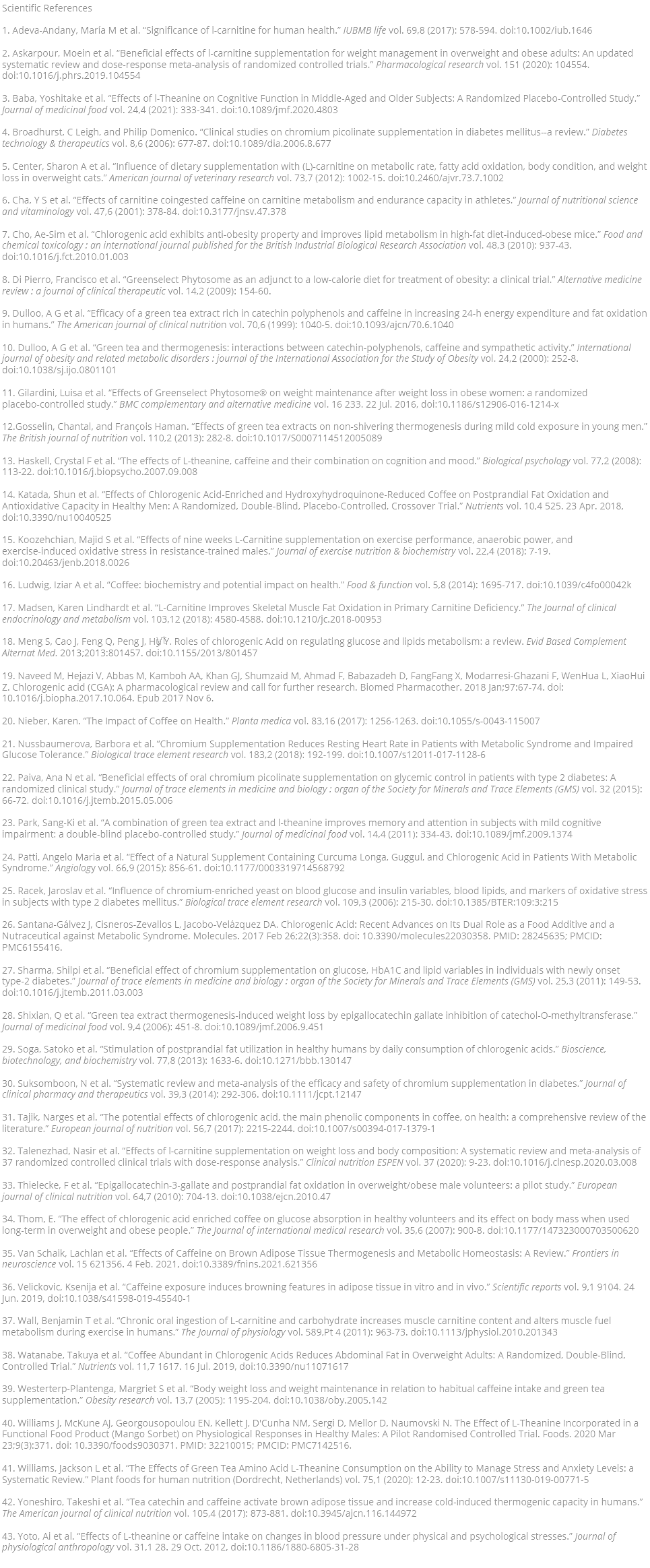
- Vendor sales page — ClickBank-listed sales page (active as of catalog import)
Frequently asked questions
- Is Tea Burn a scam?
- Not in the sense that you get nothing. You'll receive a pouch of powder. But the marketing overpromises, the ingredient doses are likely too low, and the recurring billing setup is predatory. Calling it a scam is a stretch, but it's a bad deal.
- What's actually in Tea Burn?
- We can't confirm because the label isn't public on the sales page. User reports say it contains green tea extract, green coffee bean extract, L-theanine, and chromium. Doses appear to be proprietary-blend hidden, which means you can't verify if any single ingredient is at a clinically effective level.
- How does the refund work?
- ClickBank handles refunds for the initial purchase. You have 60 days to request a refund by contacting ClickBank support with your order ID. However, if you accepted the 'free bonus' and got enrolled in a subscription, those recurring charges are not automatically refunded — you'll need to fight for those separately.
- Will Tea Burn actually help me lose weight?
- The ingredients have some weak evidence for modest effects, but at the doses likely present (based on user reports), you'd need to drink several packets a day to match clinical trial levels. Even then, weight loss would be minimal without diet and exercise. It's not a magic bullet.
More in Dietary Supplements