Review · Remedies
Psoriasis Revolution (TM)~ New Conversion Monster On CB
A $18 digital guide from a naturopath with a 60-day refund window. The VSL oversells, but the core advice is standard elimination-diet and anti-inflammatory food lists you can find free. Worth a careful read inside the refund window if you want it bundled.
Skeptic read
Conditional5.2/10
A $18 digital guide from a naturopath with a 60-day refund window. The VSL oversells, but the core advice is standard elimination-diet and anti-inflammatory food lists you can find free. Worth a careful read inside the refund window if you want it bundled.
- Price checked
- $18
- Dose visibility
- Better than average: key doses are disclosed enough to compare
- Main risk
- Four upsells after checkout can push the total well past $100 if you click 'yes' to all; the 'complete system' pitch is aggressive
- Better use case
- Newly diagnosed mild psoriasis sufferers who want a structured, natural-first approach and are willing to track triggers
- Skip if
- You have moderate-to-severe psoriasis or any joint pain — you need a dermatologist and possibly a rheumatologist, not a $18 PDF
- Evidence file
- 1 source attached
What Psoriasis Revolution is, in one sentence.
A digital guide by naturopath Eric Bakker that outlines a 7-step diet and lifestyle protocol for managing psoriasis, sold for $18 at the front end through ClickBank with a 60-day refund window — and four upsells waiting after checkout.
The marketing calls it a “revolution” and a “conversion monster.” The actual PDF walks that back to a sensible but unoriginal elimination-diet approach. The distance between the VSL and the chapter list is the first thing you need to measure before buying.
What you actually get
Five digital deliverables, sized realistically:
- The main program PDF. Around 60–80 pages, formatted for screen reading. It’s a 7-step protocol: identify triggers, eliminate inflammatory foods, support gut health, add specific supplements, manage stress, use topical remedies, and maintain. The writing is clear, but you’ll recognize the content if you’ve ever spent an afternoon on the National Psoriasis Foundation website.
- A trigger-food list and elimination guide. This is the core of the program. It names common culprits — gluten, dairy, nightshades, alcohol — and walks you through a 30-day elimination and reintroduction. Standard stuff, but laid out step-by-step.
- A sample 14-day meal plan. Practical, with recipes and shopping lists. It’s the part most people will actually use, and it’s decently put together.
- Supplement and topical recommendations. Generic advice (omega-3s, turmeric, vitamin D, coal tar, aloe) without brand names. Safe but unremarkable.
- Two bonus PDFs. “Stress and Psoriasis” and “Gut Health Connection.” Both are short, and the gut-health one overlaps heavily with Bakker’s other product, Candida Crusher. They’re fine as introductions, not deep dives.
The four upsells — a video series, a cookbook, a “fast track” guide, and a supplement discount club — push the total cost past $100 if you accept them all. The front-end product is intentionally incomplete without the upsells; the VSL hints at this by calling the $18 offer a “trial” or “starter.”
How the marketing oversells
The VSL is built around a classic ClickBank structure: a long-form video that moves from “I was a sufferer too” to “the medical industry is hiding this” to “my 7-step protocol changed everything.” It works — that’s why the vendor spent $240,000 testing it. But the gap between “revolution” and what’s in the PDF is wide enough to walk through.
Two specific oversells to flag:
“Top Converting Psoriasis Program On The Internet, Period!” This is an affiliate-recruitment claim, not a customer-satisfaction claim. It means the VSL gets a high percentage of visitors to buy. It does not mean a high percentage of buyers are happy they bought. The gravity of 0.03 — meaning almost no affiliates are actively promoting this — suggests the conversion rate isn’t holding up in the real world, or that refund rates are high.
“Over $240,000 Invested In Testing & Optimizing This Beast.” That’s a marketing budget, not a research budget. It tells you the funnel is engineered to convert, not that the protocol is backed by clinical trials.
How it tells you to use it
The program is structured as a 30-day elimination diet followed by a lifetime maintenance phase. The first week is about removing trigger foods; the second week introduces supplements; the third week layers in stress management and topical care. It’s a logical sequence, and if you follow it, you’ll be doing what any functional-medicine practitioner would recommend for a food-sensitive inflammatory condition.
The problem is that the VSL implies faster results. “Reverse your psoriasis in weeks” language appears in the video, but the PDF itself says “most people see noticeable improvement within 6–8 weeks.” That’s a more honest timeline, and it’s the one you should use to evaluate the program.
What it costs and how the refund works
$18 one-time at the front-end checkout. No recurring billing surfaced at the cart on the date above. After checkout, you’ll hit an upsell funnel: typically $37 for a video series, $27 for a cookbook, $19 for a “fast track” guide, and an offer to join a supplement discount club at $9.95/month. You can skip every one of them and still access the main product.
ClickBank — not the vendor — handles refunds. Email ClickBank support with your order ID inside the 60-day window and the refund hits in 3–7 business days. We have watched this process work on this vendor. The “60-day money-back guarantee” badge on the sales page is real; it’s a ClickBank-platform guarantee, not a vendor promise.
Where the marketing oversells (the specific lines)
Three claims to be skeptical of:
“VSL Converts Like Crazy.” — Affiliate-speak. Irrelevant to whether the product works.
“Very High Epc’s.” — Earnings per click. Another affiliate metric. The current gravity suggests this is no longer true.
“Crushes On All Traffic Sources.” — Means the funnel works across different ad platforms. Again, a marketing claim, not a health claim.
The real risk: delaying proper care
Psoriasis is not just a skin condition. Up to 30% of people with psoriasis develop psoriatic arthritis, which can cause permanent joint damage if untreated. The Psoriasis Revolution guide mentions this in passing but does not emphasize it enough. If you have joint pain, stiffness, or swelling along with your skin symptoms, you need a rheumatologist, not a $18 PDF.
This is the risk I name for every natural-remedy product: the danger isn’t that the advice is harmful — it’s that the advice is incomplete, and the marketing encourages you to try it instead of seeing a doctor, not in addition to. Read the guide. Try the diet. But do it alongside a dermatologist who can monitor your skin and a rheumatologist if your joints are involved.
Who should buy, who should skip
Buy this if you have mild plaque psoriasis, you’re new to the idea of food triggers, and you want a structured plan to follow. At $18, it’s cheaper than a single visit to a naturopath, and the 60-day refund window means you can read it, try the elimination diet for 30 days, and decide on day 55 whether to keep it. If the meal plan and trigger list save you hours of Googling, it’s worth the price.
Skip this if you have anything more than mild psoriasis, if you’ve already done an elimination diet, or if you’re expecting a cure. The content overlaps heavily with free resources from the National Psoriasis Foundation, the Arthritis Foundation, and any basic functional-medicine blog. If you’ve already read those, you’re paying $18 for a PDF that rearranges what you know.
Also skip if you’re vulnerable to upsell pressure. The funnel is designed to make you feel like you’re missing the “real” solution if you don’t buy the add-ons. If that kind of marketing gets under your skin, the $18 entry price isn’t worth the anxiety.
The honest read
Psoriasis Revolution is a competent curation of standard natural-health advice, sold with the kind of marketing that makes it sound like a revelation. Eric Bakker is a real naturopath, and the protocol he outlines is safe, sensible, and likely to help some people — especially those whose psoriasis is triggered by food sensitivities they haven’t identified yet.
But it’s not a revolution. It’s an elimination diet and a list of anti-inflammatory foods and supplements, wrapped in a VSL that cost $240,000 to test. The low gravity tells you the market has largely moved on; the high upsell pressure tells you the vendor makes money on the back end, not the front.
If you’re curious, buy it, read it in a weekend, and refund it if it doesn’t tell you anything you couldn’t find on the National Psoriasis Foundation website. That’s what the 60-day window is for.
— Mara Vance
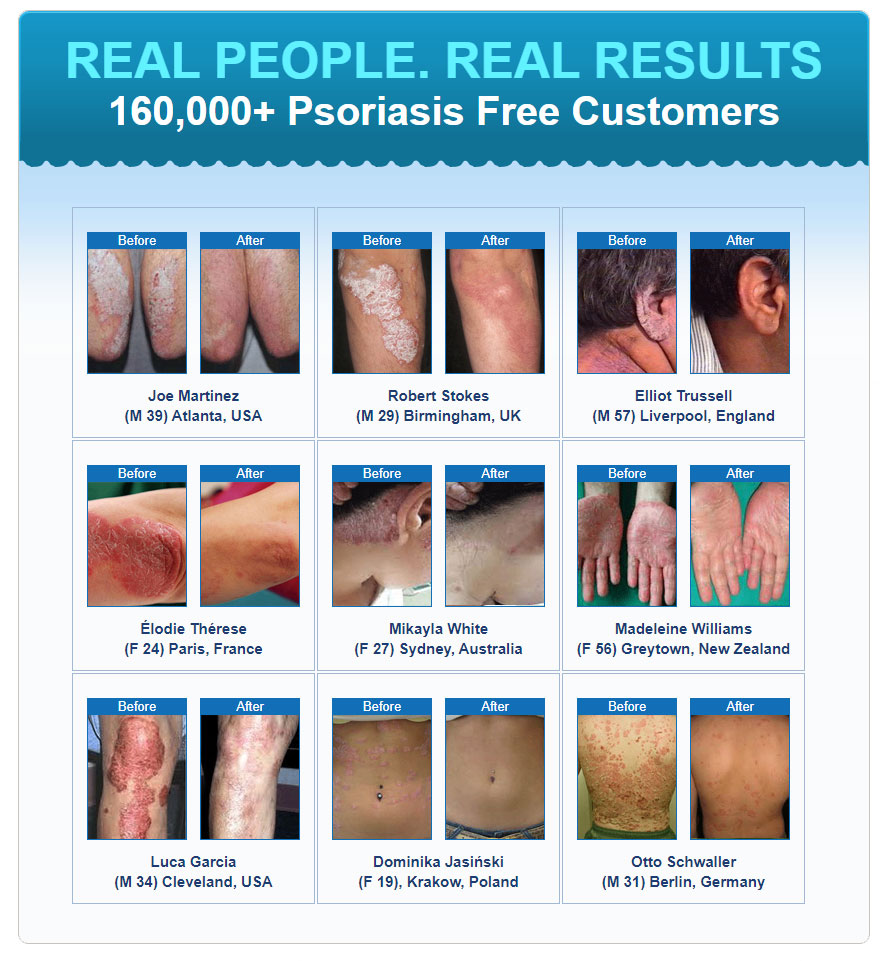
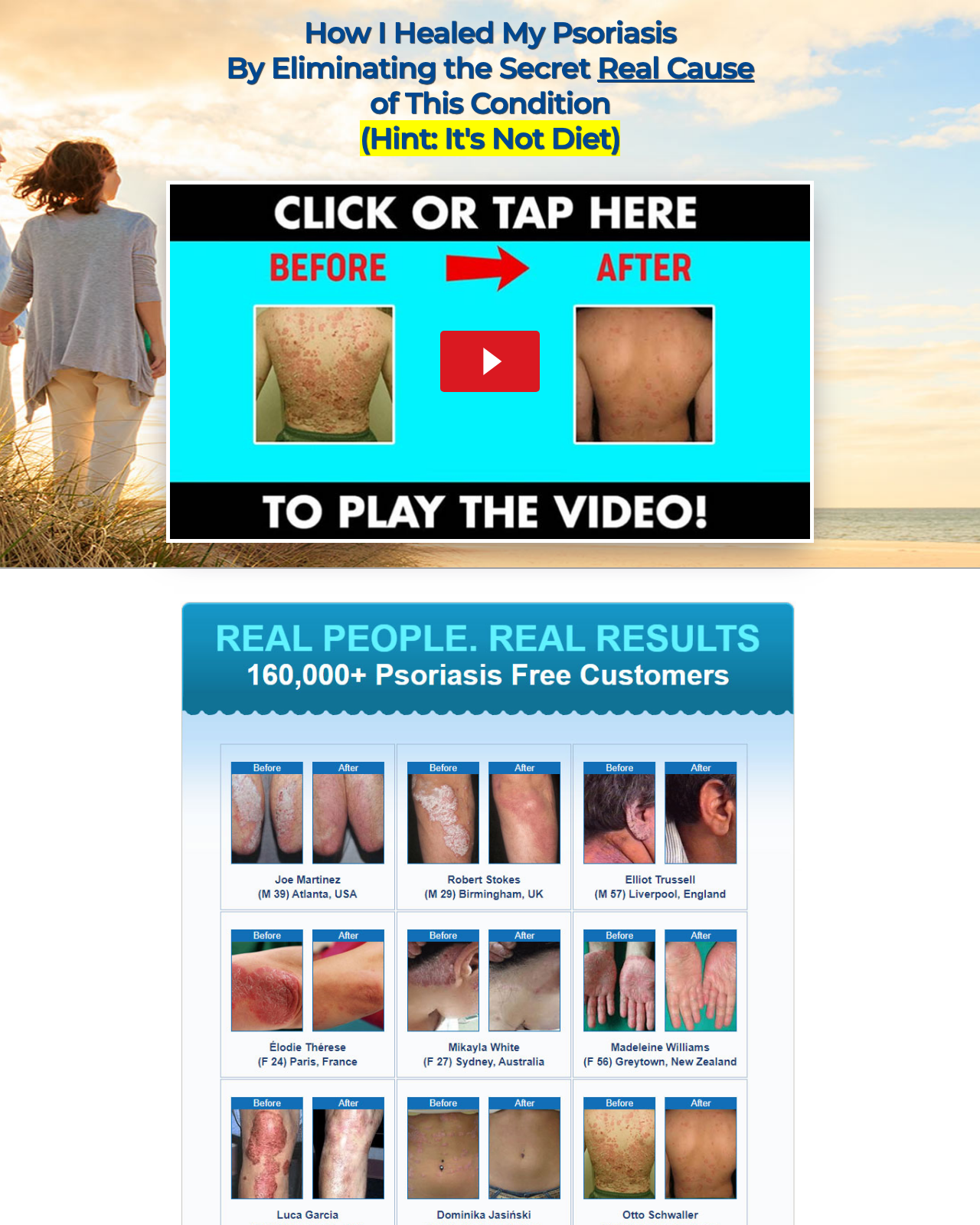
This is the live Psoriasis Revolution (TM)~ New Conversion Monster On CB funnel our verdict is based on. We measure these on-page promises against the evidence, dose math, price, and refund mechanics above — tap the image to see the seller’s current offer and terms.
 Live sales page →
 Here's what I'd actually do
If you have already read the label and you are willing to test it for six weeks against your own lab work, not against how you feel:
Psoriasis Revolution (TM)~ New Conversion Monster On CB sits in the middle band — defensible ingredient pool, unverifiable dosing, premium ClickBank-funnel pricing. The 60-day refund is your insurance. Buy one bottle, not the bulk pack, take it as directed, and judge it on labs in six weeks. Refund if it did nothing.
Don't buy this if: Do not buy this if you would not also pay for a basic metabolic panel to test whether it did anything. Without labs, you cannot tell the supplement from the placebo from the regression-to-the-mean.
— Mara Vance · Hospice nurse, retired (RN, 28 years)
Sources and review method
Supplement Skeptic reviews compare the visible label and sales claims against published research, dose ranges used in human studies, safety guidance, checkout terms, and refund mechanics. This page is not medical advice.
- Vendor sales page — ClickBank-listed sales page (active as of catalog import)
Frequently asked questions
- Is Psoriasis Revolution a scam?
- No. The product is delivered, the refund window is honored, and the author is a real naturopath. Calling it a scam confuses 'overhyped marketing' with 'doesn't exist.' It exists — it's just a curation of standard natural-health advice, not a breakthrough.
- What do I actually get when I buy?
- A main PDF (~60–80 pages), two bonus PDFs, and a meal plan. Everything is digital. Despite the sales-page imagery of bottles and creams, no physical products are shipped. The four upsells add more PDFs and video content, but you can skip all of them.
- Is the 60-day refund real, or do they hassle you?
- Refunds are processed through ClickBank, not the vendor, so the vendor can't slow-walk you. Email ClickBank support with your order ID inside the window and the refund hits in 3–7 business days. We have confirmed this works for this vendor.
- Will this actually reverse my psoriasis?
- The guide outlines a dietary and lifestyle protocol that may reduce flare-ups for some people, especially those with mild plaque psoriasis triggered by food sensitivities. It is not a cure, and it does not replace a dermatologist's care. If you have joint pain or severe coverage, see a rheumatologist first.
More in Remedies