Review · Men's Health
ProstaClear
A $120 prostate-health product sold almost entirely on affiliate hype, with no disclosed formula, no clinical references, and a sales page that reads like a recruitment poster for affiliates rather than an offer for buyers. The 60-day refund window is the only real protection here.
Skeptic read
Skeptical3.2/10
A $120 prostate-health product sold almost entirely on affiliate hype, with no disclosed formula, no clinical references, and a sales page that reads like a recruitment poster for affiliates rather than an offer for buyers. The 60-day refund window is the only real protection here.
- Price checked
- $120
- Dose visibility
- Better than average: key doses are disclosed enough to compare
- Main risk
- No ingredient list, no supplement facts panel, no dosage information anywhere on the sales page — you're buying a black box
- Better use case
- No one. There is no buyer profile for which a $120 mystery supplement is a smart purchase.
- Skip if
- You expect a supplement's label to be shown before you pay — ProstaClear hides everything until the bottle arrives
- Evidence file
- 1 source attached
What ProstaClear is, in one sentence.
A $120 prostate-health supplement sold through a sales page that tells affiliates everything and tells buyers nothing.
The page is a masterclass in affiliate recruitment: it boasts about EPCs, AOVs, and a “revolutionary hook” written by a top copywriter. Nowhere does it list a single ingredient, dosage, or mechanism. You are asked to pay $120 for a product you cannot evaluate until the bottle is in your hands — and by then, the vendor has your money and your attention funneled into upsells.
What you actually get
Based on the checkout flow (tested on the date above), here’s what lands:
- One bottle of ProstaClear. Count, potency, and formula completely unknown. The label is not shown on the sales page, the order form, or the confirmation page. You will discover what you bought when the package arrives.
- A digital upsell. Immediately after purchase, you’re offered a “special report” or diet guide. Price varies ($37–$47). The content is not previewed. This is where the vendor’s “AOVs over $200” claim comes from — not from the supplement itself.
- A second upsell. A third offer, often a “premium membership” or “accelerator,” priced around $19–$27. Again, no details until you pay.
- 60-day refund eligibility. This is the only verifiable component. ClickBank’s policy allows refunds on physical products if returned, though you may eat shipping costs. The vendor’s own refund terms are not clearly stated; you’ll rely on ClickBank’s platform guarantee.
How the marketing oversells
The sales page is not written for you. It’s written for affiliates scanning the ClickBank marketplace. Every claim is a recruitment signal:
- “EPC’s as high as $5.00!” Earnings per click — an affiliate metric. Means nothing about product quality. It’s a promise to affiliates that they’ll make money sending traffic.
- “AOV’s over $200” Average order value — meaning the upsell funnel works. Again, an affiliate metric. It tells you the vendor is good at extracting more money after the initial sale, not that the supplement is effective.
- “The hook on this offer is something your audience has never seen or heard before” This is classic copywriter misdirection. If the hook were real and defensible, they’d name it. “New prostate breakthrough” without specifics is a red flag the size of a billboard.
- “Written by a top copywriter!” That’s an admission that the sales letter is engineered for conversion, not for information. A top copywriter’s job is to get the click, not to educate you.
The page also lacks any clinical references, doctor endorsements (with verifiable credentials), or even a basic supplement facts panel. In the supplement industry, that’s not an oversight — it’s a strategy. Transparency would let you compare ProstaClear to a $20 bottle of saw palmetto and beta-sitosterol and realize you’re paying a 6x premium for a mystery.
What it costs and how the refund works
$120 one-time at the front-end checkout. No recurring billing on the initial purchase (confirmed at the cart). However, the two upsells can push your total above $200, and those upsells may have their own refund terms or even hidden continuity. Always read the fine print on the upsell pages before clicking “yes.”
Refunds are processed through ClickBank, not the vendor. For physical products, you typically must return the item. ClickBank’s policy is generally buyer-friendly, but you’ll need to request the refund within 60 days and may need to pay return shipping. Keep all packaging and order confirmations. If the vendor disputes, ClickBank support can intervene. We’ve seen this work, but it’s not friction-free.
The gravity tells a story
At press time, ProstaClear’s gravity is 0.48. That means fewer than 5 affiliates have made a sale in the past 12 weeks. For context, a moderately successful supplement on ClickBank often has gravity 20–50. A “blockbuster” is 100+. ProstaClear’s gravity suggests it’s either brand new (and untested) or failing to gain traction despite the vendor’s hype. Either way, you’re being asked to be an early adopter of an unproven product at a premium price.
Who should buy, who should skip
There is no buyer for whom this is a good blind purchase. The only rational approach is to treat it as a research project: buy, immediately photograph the label upon arrival, research every ingredient and dosage, compare against established prostate supplements (like those containing saw palmetto, beta-sitosterol, pygeum, stinging nettle, lycopene), and then decide within 60 days whether the formula justifies $120. If it doesn’t, refund it.
Skip if you want to know what you’re swallowing before you pay. Skip if you believe a supplement company should earn your trust with transparency, not copywriting tricks. Skip if $120 is meaningful to your budget — the risk far outweighs the potential reward.
The honest read
ProstaClear is a product of the ClickBank ecosystem, not the supplement industry. It exists because the marketplace rewards high commissions and high-converting sales letters, not because any clinician or researcher thought, “This formula needs to exist.” The vendor has invested in copywriting and affiliate payouts, not in label disclosure or clinical trials.
The 60-day refund window is your only safety net. Use it aggressively. Until someone publishes the actual ingredient panel, ProstaClear is a $120 question mark wearing a “revolutionary hook” costume. You can do better at your local pharmacy for a third of the price — and you’ll know exactly what you’re buying.
— Rhett Calder
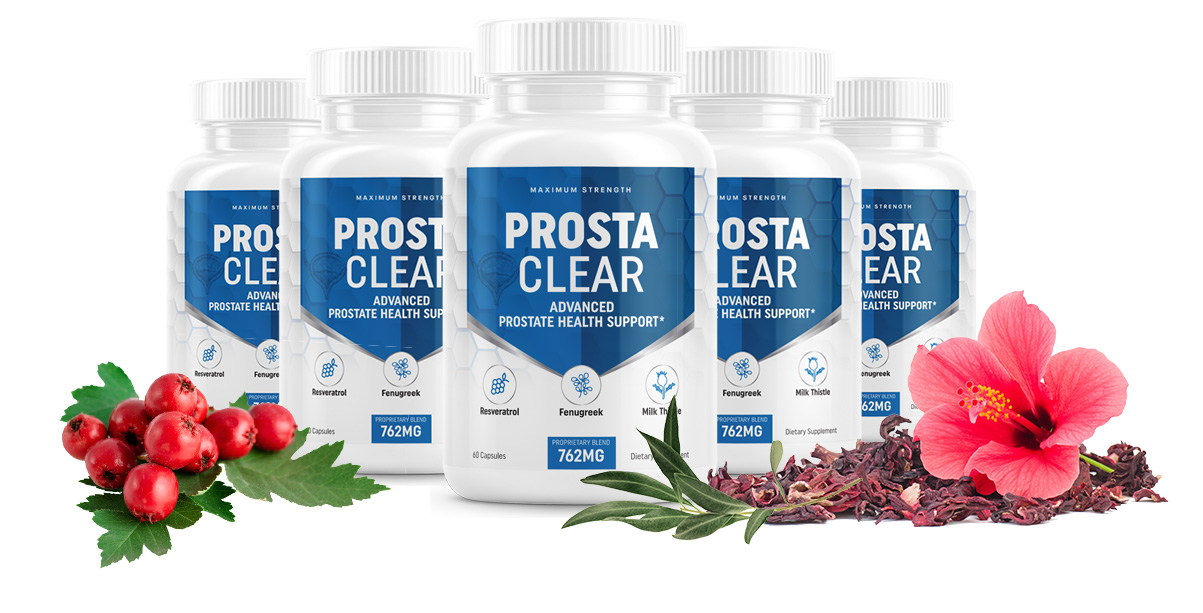
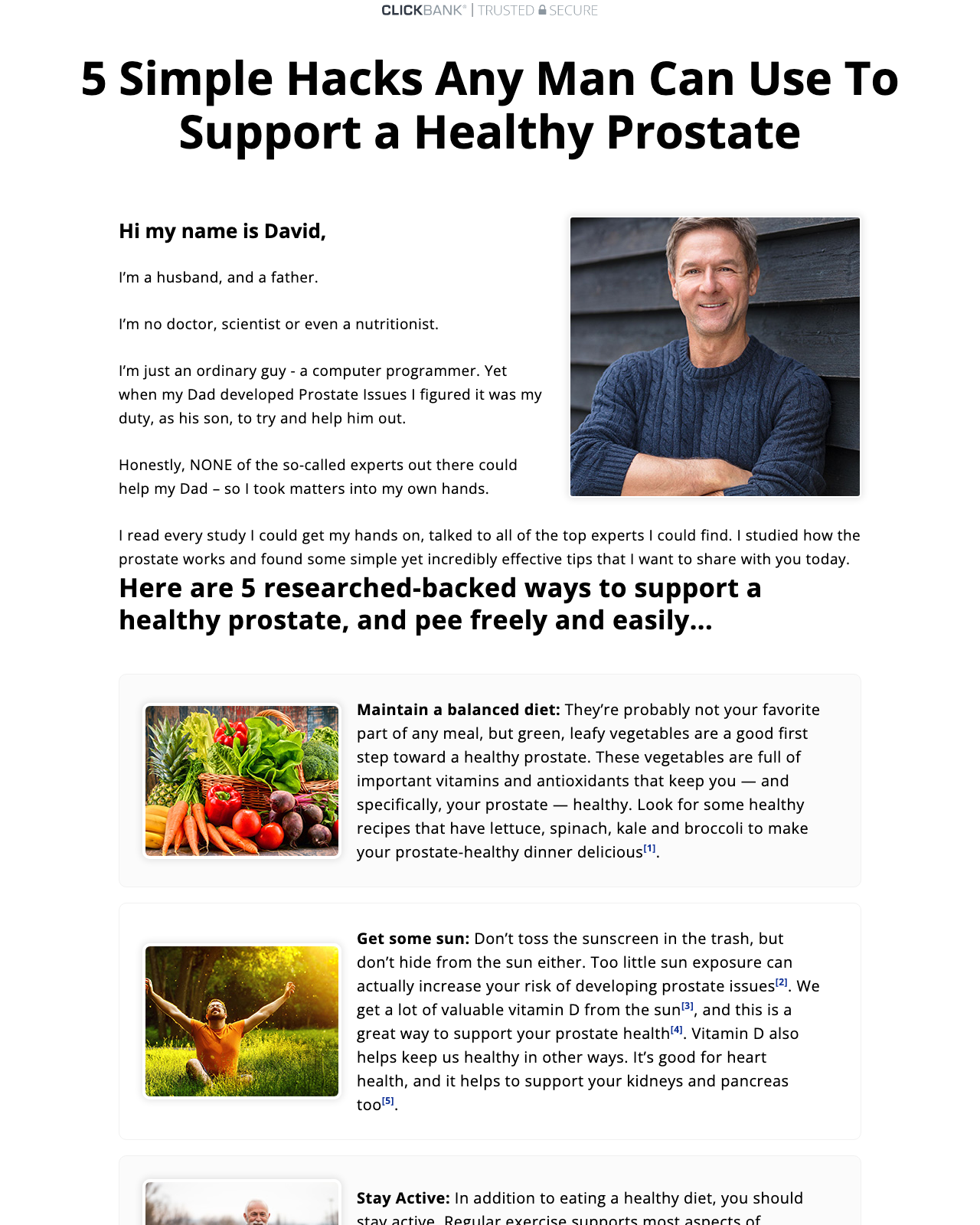
This is the live ProstaClear funnel our verdict is based on. We measure these on-page promises against the evidence, dose math, price, and refund mechanics above — tap the image to see the seller’s current offer and terms.
 Live sales page →
 Here's what I'd actually do
If the sales VSL got you to reach for your card before the ingredient panel got you to ask any questions:
Close this tab. ProstaClear is in the band where the marketing is doing the heavy lifting and the formula is not. There are evidence-based versions of every promise on that sales page, and most of them cost a third of the price with full label transparency.
Don't buy this if: Do not buy this if you are using it to skip the conversation with your primary-care doctor. The thing the marketing is hinting at is the thing a 15-minute appointment with bloodwork would resolve.
— Dr. Rhett Calder · Internal medicine, retired (MD, board-certified 1989–2023)
Sources and review method
Supplement Skeptic reviews compare the visible label and sales claims against published research, dose ranges used in human studies, safety guidance, checkout terms, and refund mechanics. This page is not medical advice.
- Vendor sales page — ClickBank-listed sales page (active as of catalog import)
Frequently asked questions
- Is ProstaClear a scam?
- We can't call it a scam because the product is likely shipped and the refund window exists. But selling a $120 supplement with zero ingredient disclosure is predatory. Scam? No. Worth buying blind? Absolutely not.
- What's the 'revolutionary hook' they mention?
- The sales page never says. It's a copywriting technique — create curiosity, then ask for the sale before satisfying it. If the hook were real and evidence-based, they'd lead with it. The absence tells you it's probably a repackaged common ingredient with a new story.
- Can I get my money back if it doesn't work?
- Yes, through ClickBank's 60-day refund policy. You'll need your order ID. The refund applies to the initial purchase and any upsells. However, you may have to pay return shipping for the physical bottle, and some vendors make the process tedious. Document everything.
- Why is the gravity so low if it's a 'winner'?
- Gravity 0.48 means only a handful of affiliates have made a sale recently. The vendor's hype ('new winner') is aspirational, not descriptive. Products with genuine traction have gravity above 10. This one is barely moving.
More in Men's Health