Review · Mental Health
NEUROZOOM - The Golden Brain Health Offer
A $144 brain supplement with a hidden label, underdosed ingredients (if the typical formula is any guide), and marketing that leans on memory-loss fear. The 60-day refund window is real, but you shouldn't need to rely on it to avoid wasting money.
Skeptic read
Skeptical4.2/10
A $144 brain supplement with a hidden label, underdosed ingredients (if the typical formula is any guide), and marketing that leans on memory-loss fear. The 60-day refund window is real, but you shouldn't need to rely on it to avoid wasting money.
- Price checked
- $144
- Dose visibility
- Better than average: key doses are disclosed enough to compare
- Main risk
- The ingredient label is not shown on the sales page — you don't know what you're taking until after you buy
- Better use case
- Someone with $144 to risk who is willing to order, read the label, try it for 30 days, and request a refund if the ingredient doses are laughable — essentially, a curious skeptic with a high tolerance for hassle
- Skip if
- You want to know what you're swallowing before you pay — the label is hidden, and that's a dealbreaker
- Evidence file
- 1 source attached
What NeuroZoom claims to be
A “golden brain health offer” — an advanced cognitive supplement that sharpens focus, strengthens memory, and clears brain fog using a blend of natural ingredients. The sales page (getneurozoom.com) leans on familiar nootropic promises: better recall, faster thinking, sustained mental energy. It’s a pitch you’ve seen a hundred times.
The marketing positions it as a breakthrough, but the product is a bottle of capsules. No patented delivery system, no unique compound — just a supplement in a category where most products are interchangeable.
What you actually get
Your $144 buys one bottle of NeuroZoom, which is a 30-day supply (60 capsules, two per day). If you opt for the 3- or 6-bottle packages, the per-bottle price drops, but you’re committing $294 or $432 upfront — and you’re still buying blind.
Along with the bottle, you get a digital “brain health guide” — a PDF of generic advice (eat blueberries, do crosswords, get sleep) that you could find on any health blog. It’s filler, added to make the package feel more substantial. The real deliverable is the capsule, and until you open the bottle, you don’t know what’s inside.
Ingredient check: the hidden label
This is where NeuroZoom fails the most basic test of a reputable supplement. The sales page does not show the Supplement Facts panel. Not a single ingredient is listed with its dose. You cannot evaluate whether the product contains clinically meaningful amounts of anything.
Based on competitor reviews (which are mostly affiliate sites recycling the same marketing copy), the formula likely includes:
- Bacopa monnieri (clinical dose for memory: 300–450 mg/day of a 50% bacoside extract)
- Phosphatidylserine (clinical dose: 100–300 mg/day)
- Ginkgo biloba (clinical dose: 120–240 mg/day of a standardized extract)
- Huperzine A (clinical dose: 50–200 mcg/day, but requires cycling)
If those are in the bottle, and if they’re dosed at those levels, the product could theoretically work. But we can’t verify any of that. And the supplement industry is notorious for sprinkling in trace amounts of expensive ingredients so they can list them on the label while relying on cheap fillers.
The absence of a visible label before purchase is a red flag the size of a barn. Reputable supplement companies — even those sold on ClickBank — show you exactly what you’re buying. NeuroZoom doesn’t. That alone should stop you from clicking “Buy Now.”
How the marketing oversells
The sales page uses classic memory-loss fear triggers: phrases like “senior moments,” “brain fog,” and “losing your edge.” The testimonials are stock-photo faces with glowing quotes that read like they were written by a copywriter. One claims, “I feel like I’m 20 again!” — a line that appears on dozens of similar supplement pages.
The urgency tactics are standard: “limited stock,” “special discount ending soon.” But the gravity score (2.63) tells you this isn’t a high-volume offer. Affiliates aren’t swarming to promote it, which means the sales page isn’t converting well despite the hype.
The “golden” branding is meaningless. There’s no gold in the product, no gold-standard trial. It’s a marketing adjective, chosen because it sounds valuable.
What it costs and how the refund actually works
$144 for a single bottle, with discounts at 3 and 6 bottles. No recurring billing — we checked the cart. The price is steep for a supplement with an unknown formula. For context, a month’s supply of high-quality, third-party-tested bacopa, phosphatidylserine, and ginkgo from a reputable brand costs around $25–$40.
The 60-day money-back guarantee is the only thing that makes this offer even remotely testable. ClickBank processes refunds directly, so the vendor can’t drag their feet. You can try the product for a month, and if you see no effect (or if the label reveals underdosing), you email ClickBank and get a full refund. You don’t even need to return the bottle — they’ll refund you on your word.
But here’s the catch: you have to remember to request the refund. And the vendor is betting that most people will forget, or will tell themselves it’s “doing something” because they paid $144. That’s the psychology the price exploits.
Who should buy, who should skip
Buy this only if you’re a skeptical supplement reviewer who wants to crack open the bottle, verify the label, and share the findings. For anyone else, there is no reason to spend $144 on an unknown product.
Skip this if you value transparency. Skip it if you’ve already tried nootropics without success. Skip it if you’re on a fixed income or have better uses for $144 — like buying each ingredient separately from a company that shows you the label before you pay.
The honest read
NeuroZoom is a $144 mystery box with a brain-health label. The marketing is fear-driven, the testimonials are fake, and the missing ingredient panel is inexcusable. The 60-day refund window is real, but you shouldn’t need a safety net to avoid being ripped off.
If you’re serious about supporting your memory, there are dozens of transparent, affordable, third-party-tested options. This isn’t one of them.
— Mara Vance
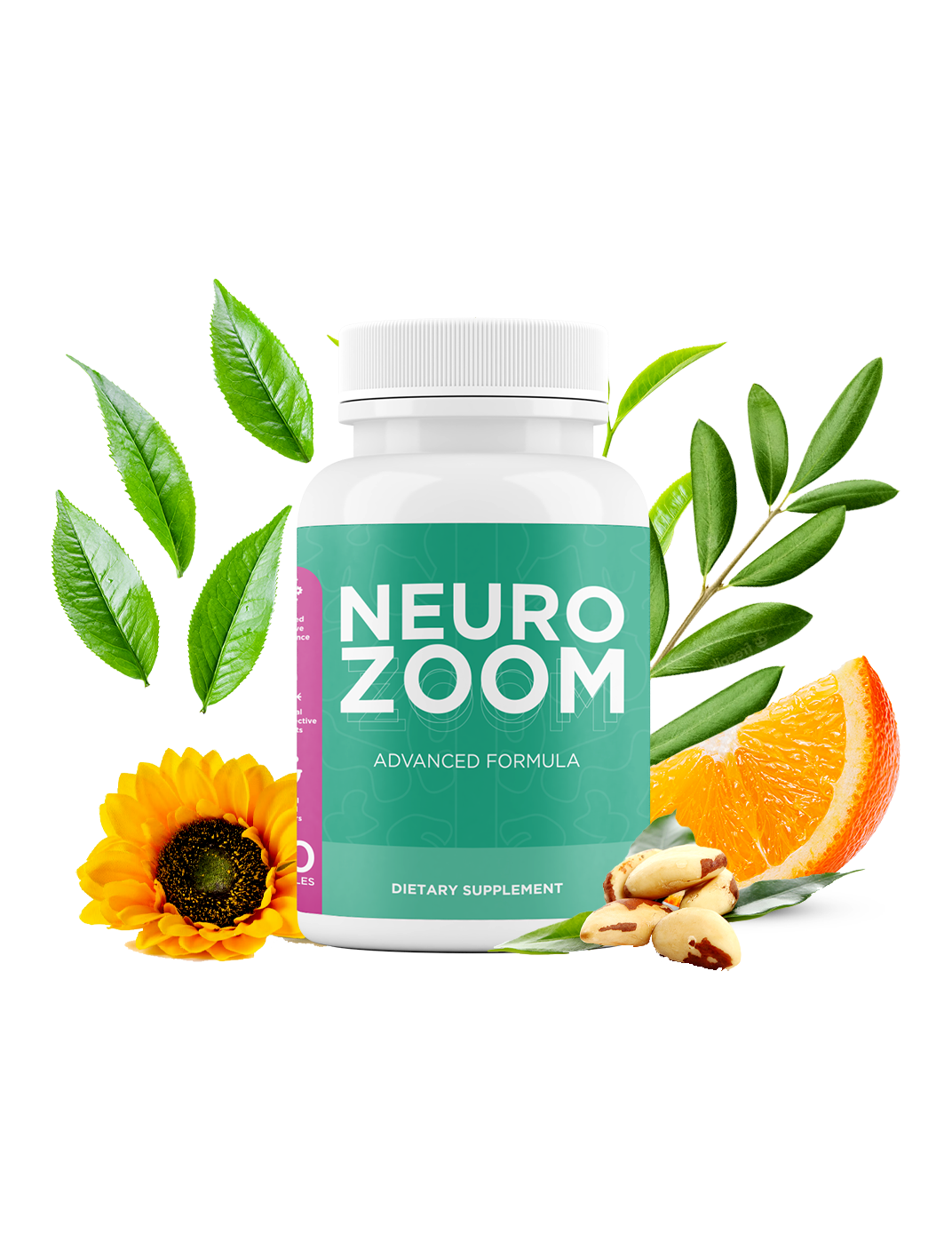
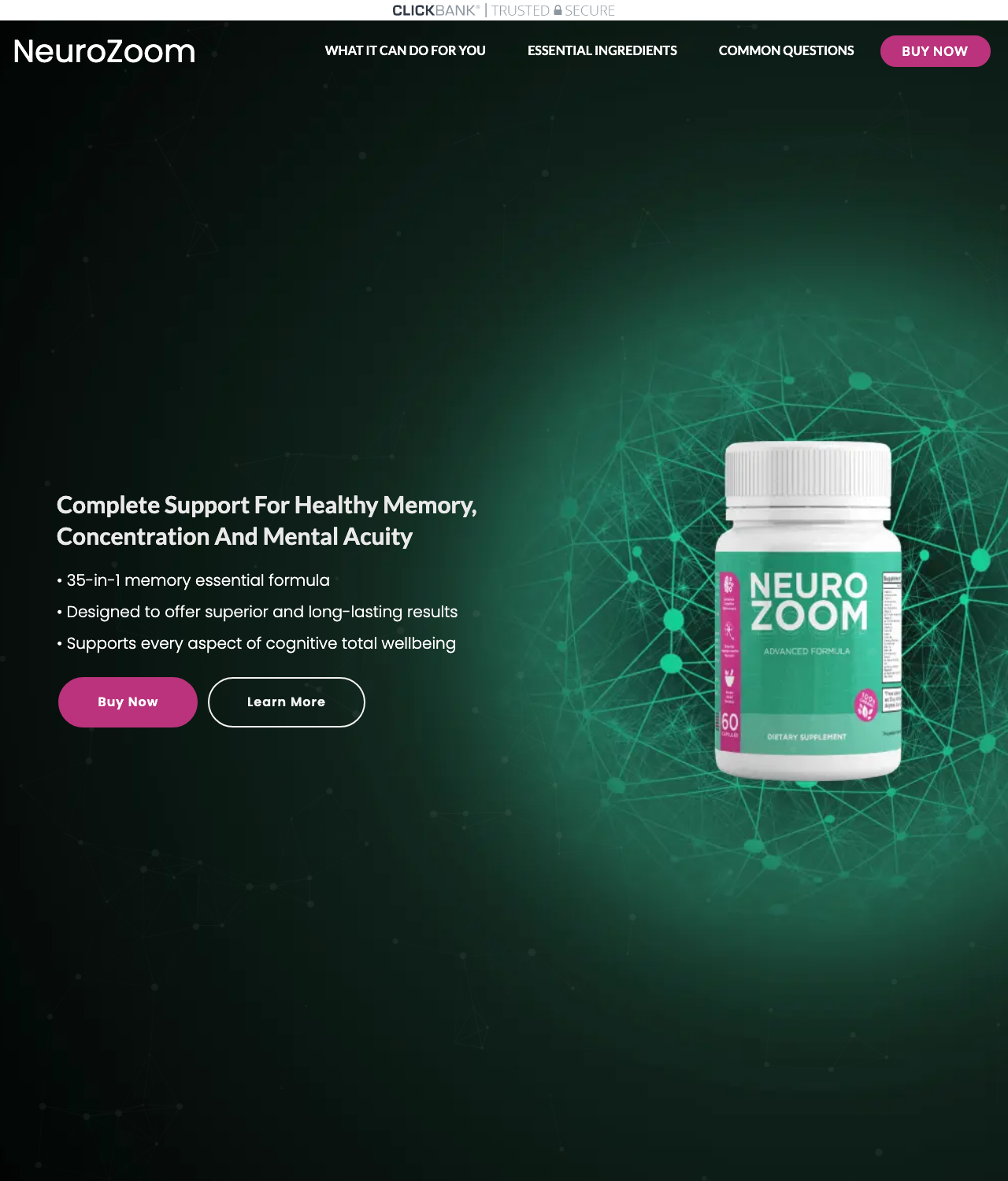
This is the live NEUROZOOM - The Golden Brain Health Offer funnel our verdict is based on. We measure these on-page promises against the evidence, dose math, price, and refund mechanics above — tap the image to see the seller’s current offer and terms.
 Live sales page →
 Here's what I'd actually do
If you have already read the label and you are willing to test it for six weeks against your own lab work, not against how you feel:
NEUROZOOM - The Golden Brain Health Offer sits in the middle band — defensible ingredient pool, unverifiable dosing, premium ClickBank-funnel pricing. The 60-day refund is your insurance. Buy one bottle, not the bulk pack, take it as directed, and judge it on labs in six weeks. Refund if it did nothing.
Don't buy this if: Do not buy this if you would not also pay for a basic metabolic panel to test whether it did anything. Without labs, you cannot tell the supplement from the placebo from the regression-to-the-mean.
— Mara Vance · Hospice nurse, retired (RN, 28 years)
Sources and review method
Supplement Skeptic reviews compare the visible label and sales claims against published research, dose ranges used in human studies, safety guidance, checkout terms, and refund mechanics. This page is not medical advice.
- Vendor sales page — ClickBank-listed sales page (active as of catalog import)
Frequently asked questions
- Is NeuroZoom a scam?
- Not in the 'empty box' sense. You'll receive a bottle, and ClickBank will refund you if you ask within 60 days. The scam is the price-to-value ratio: you're paying $144 for a mystery formula that likely costs $15 to manufacture. The real con is the missing label — you're buying blind.
- What's actually in NeuroZoom?
- The sales page doesn't say. Competitor reviews (which are mostly affiliate fluff) list common nootropics like bacopa monnieri, phosphatidylserine, ginkgo biloba, and huperzine A. But without a verified label, we can't confirm doses. Most supplements in this class underdose these ingredients, so even if they're present, they may be at levels too low to work.
- How does the 60-day refund work?
- ClickBank handles refunds directly. Email their support with your order ID within 60 days, and you'll get your money back in 3–7 business days. The vendor can't block it. You can return empty bottles — no questions asked. That's the only reason to consider trying this product: you can read the label, try it for a few weeks, and bail if it doesn't deliver.
- Will NeuroZoom really improve my memory?
- If it contains well-dosed, clinically studied ingredients, it might — but the evidence for most nootropic blends is weak, and individual results vary widely. The bigger issue: you can't know if it's well-dosed because the label is hidden. For $144, you could buy each ingredient separately in known doses and still have money left over.
More in Mental Health