Review · General
Neura (Super Legit Memory Supplement)
A $142 proprietary-blend supplement with bold memory claims and no disclosed doses. The neuroscientist endorsement is unverifiable, and the marketing is built for affiliates, not buyers. You can get the same ingredients at effective doses for half the cost elsewhere.
Skeptic read
Skeptical3.8/10
A $142 proprietary-blend supplement with bold memory claims and no disclosed doses. The neuroscientist endorsement is unverifiable, and the marketing is built for affiliates, not buyers. You can get the same ingredients at effective doses for half the cost elsewhere.
- Price checked
- $142
- Dose visibility
- Limited: key ingredient doses are hidden or hard to verify
- Main risk
- $142 for a 30-day supply is premium pricing with no published clinical trial data on the final formula
- Better use case
- Buyers who want the ritual of a premium-priced pill and are less concerned about dose transparency
- Skip if
- You expect to see individual ingredient doses before buying — you won't
- Evidence file
- 1 source attached
What Neura is, in one sentence.
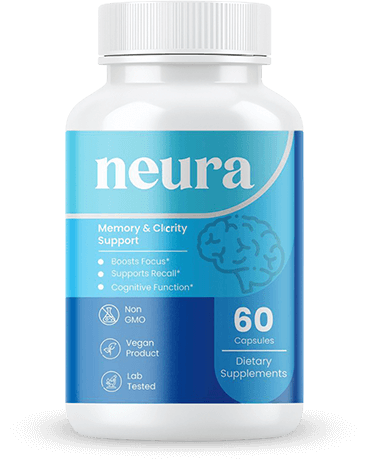
A memory supplement sold through ClickBank at $142 per bottle, marketed with a neuroscientist endorsement that can’t be verified and a proprietary blend that hides the doses.
The sales page is written for affiliates, not buyers — it’s full of conversion metrics and swipe-file promises. The actual product page tells you almost nothing about what’s inside or why it should work. That’s the first thing to notice before you spend anything.
What you actually get
You get a bottle of capsules. The label lists a proprietary blend of memory-support ingredients — likely some combination of bacopa monnieri, phosphatidylserine, huperzine A, or similar nootropics, but the sales page doesn’t specify. The competitor’s ClickBank disclosure confirms a proprietary blend, which means the total milligram amount of the blend is listed, but not how much of each ingredient you’re taking.
This matters because most memory-support compounds have a clinical dose range. Bacopa, for example, typically needs 300–450 mg of a standardized extract (55% bacosides) to show effects in studies. If the blend is 500 mg total and contains five ingredients, you’re probably getting 100 mg of bacopa — far below the studied dose. Without transparency, you can’t know.
You may also get access to a digital upsell or “brain health guide” — that’s common in this vendor category — but the sales page doesn’t mention one at the front end.
How the marketing oversells
The vendor’s affiliate page uses language like “BIG-TIME BRAIN health/memory supplement from Diamond Vendor. Neuroscientist-endorsed. HIGH CVR’s. Tested/proven swipes ready for you.” That’s affiliate-recruitment copy. It tells you the offer converts well, not that the product works.
The neuroscientist endorsement is a black box. No name, no credentials, no published work. If a real neuroscientist had formulated this, their name would be on the label — that’s how you build trust in a $142 supplement. The absence of that name is a tell.
The sales page leans on fear of cognitive decline, which is effective for conversion but doesn’t replace evidence. There are no links to clinical trials of Neura itself. There are no before-and-after cognitive test results. There’s just the promise of a sharper brain, wrapped in a proprietary formula.
What it costs and how the refund works
$142 one-time at checkout, no recurring billing surfaced. That’s high for a 30-day supply of a proprietary-blend supplement. Transparent competitors with similar ingredient profiles cost $50–$80.
ClickBank offers a 60-day refund window, but supplement returns often come with a catch: the product must be unopened. The Neura sales page doesn’t clarify this. Before you buy, assume you’ll need to return a sealed bottle to get your money back. That means you can’t try it and then decide — you have to decide based on the label, and the label doesn’t give you enough to decide.
Who should buy, who should skip
Buy this if you’re an affiliate looking for a high-gravity memory offer to promote — the numbers suggest it converts. As a consumer, buy this only if you’re comfortable paying $142 for a mystery blend and don’t care about dose transparency.
Skip if you want to know what you’re taking. There are memory supplements with fully disclosed labels, published research on their specific formulas, and prices that don’t feel like a gamble. Skip if you’re on a budget. Skip if you think a neuroscientist endorsement should come with a name you can look up.
The honest read
Neura is a classic ClickBank supplement play: a high-ticket product with an authority hook that can’t be checked, a proprietary blend that hides underdosing, and affiliate copy that focuses on conversion metrics rather than cognitive outcomes. The 60-day refund window sounds reassuring, but the unopened requirement makes it a return policy, not a trial.
The market signal is clear: affiliates are making money with this offer. That tells you it sells. It doesn’t tell you it works better than a $40 bottle of bacopa and phosphatidylserine from a transparent brand.
If you’re genuinely concerned about memory, start with your doctor, not a ClickBank funnel. And if you do buy Neura, read the return terms first. You’ll probably need them.
— Mara Vance
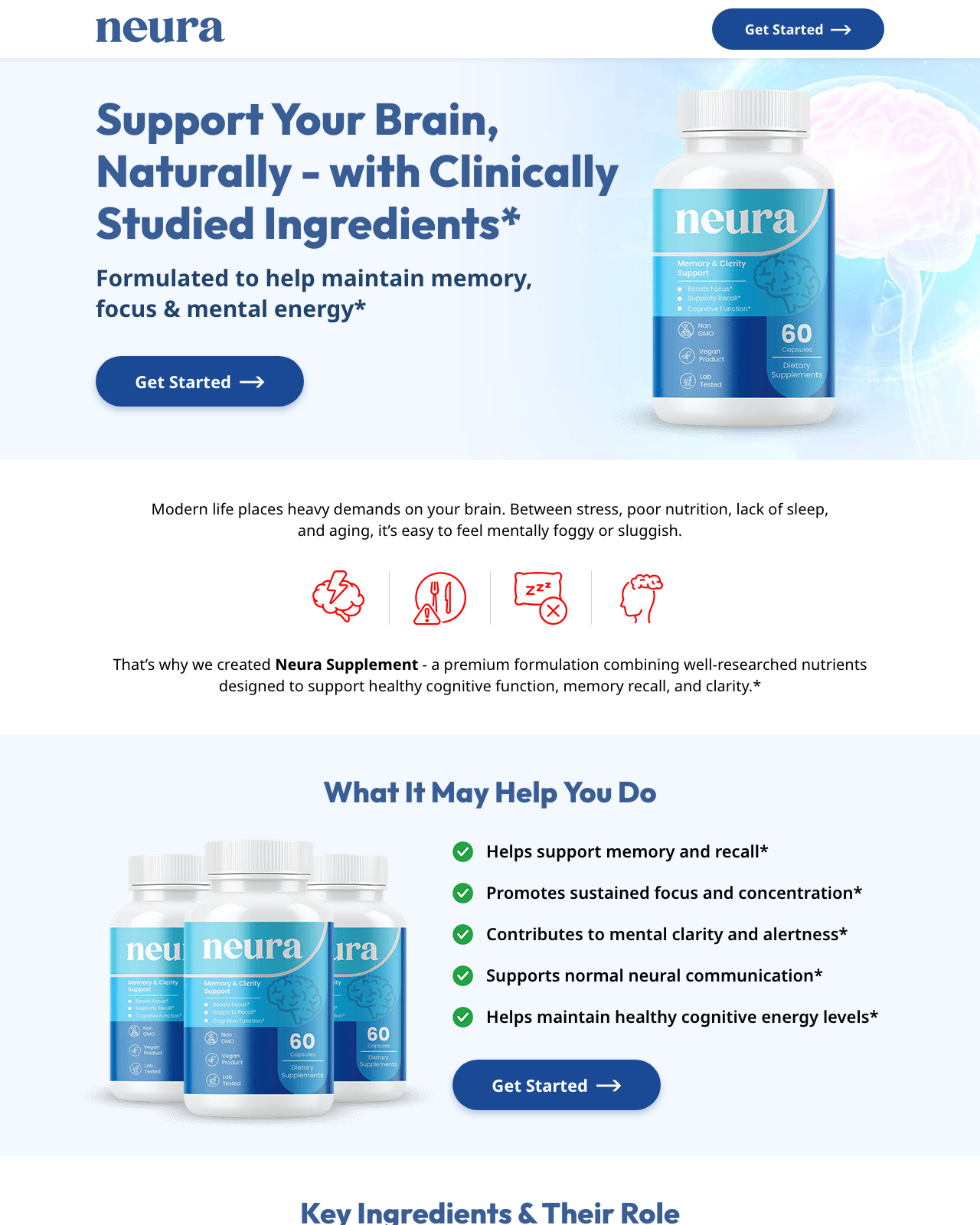
This is the live Neura (Super Legit Memory Supplement) funnel our verdict is based on. We measure these on-page promises against the evidence, dose math, price, and refund mechanics above — tap the image to see the seller’s current offer and terms.
 Live sales page →
 Here's what I'd actually do
If you opened this at 11 pm and the page made the supplement look like an answer to something larger:
Close this tab. Neura (Super Legit Memory Supplement) is in the band where the marketing is doing the heavy lifting and the formula is not. There are evidence-based versions of every promise on that sales page, and most of them cost a third of the price with full label transparency.
Don't buy this if: Do not buy this if you have a diagnosed condition that this product is implicitly addressing. See a clinician. A $69 bottle does not replace a $0-with-insurance lab panel.
— Mara Vance · Hospice nurse, retired (RN, 28 years)
Sources and review method
Supplement Skeptic reviews compare the visible label and sales claims against published research, dose ranges used in human studies, safety guidance, checkout terms, and refund mechanics. This page is not medical advice.
- Vendor sales page — ClickBank-listed sales page (active as of catalog import)
Frequently asked questions
- Is Neura a scam?
- No, it's a real supplement you'll receive. But 'scam' isn't the right word — it's an overpriced proprietary blend sold with unverifiable authority. You get a bottle, but you don't get proof it works better than a cheaper, transparent alternative.
- What's actually in Neura?
- The sales page doesn't disclose a full ingredient panel. The competitor's disclosure page lists a proprietary blend, which means you won't know how much of each ingredient you're taking. Without doses, you can't compare to clinical research.
- Does the 60-day refund apply to opened bottles?
- ClickBank's standard refund policy for supplements often requires the product be returned unopened. This isn't stated on the Neura sales page, so assume you'll need to return a sealed bottle to get your money back. Read the fine print before relying on the guarantee.
- Who is the neuroscientist behind Neura?
- The sales page says 'neuroscientist-endorsed' but doesn't name anyone. We searched the page and found no linked bio, no published studies, and no way to verify the credential. That's a red flag when you're paying $142.
More in General