Review · Dietary Supplements
Nagano Tonic - $5 EPCs
No public ingredient label, recurring billing enabled, and a price tag that's mostly funding affiliate commissions. I would not buy this without seeing the formula first.
Skeptic read
Skeptical3.8/10
No public ingredient label, recurring billing enabled, and a price tag that's mostly funding affiliate commissions. I would not buy this without seeing the formula first.
- Price checked
- $145
- Dose visibility
- Limited: key ingredient doses are hidden or hard to verify
- Main risk
- No ingredient list, supplement facts panel, or dosage information is publicly available before purchase — that's a dealbreaker for any supplement review
- Better use case
- No one — not until the vendor publishes a full ingredient list with dosages. If that happens, it might be for people who want a convenience-packaged weight loss aid and are willing to pay a premium.
- Skip if
- You believe supplement companies should tell you what's in the bottle before you hand over your credit card
- Evidence file
- 1 source attached
What Nagano Tonic actually is
A weight loss supplement sold through ClickBank with a $145 price tag, a 75% affiliate commission, and recurring billing turned on. The sales page talks about a “Powerhouse Weight Loss Offer” and “$5 EPCs” — which is affiliate-recruitment language, not buyer information. What it doesn’t talk about: ingredients, dosages, or any clinical evidence specific to the formula.
That’s the whole review, really. But let’s break down why this matters.
What you actually get
When you buy, you’re getting one bottle of Nagano Tonic — likely a 30-day supply, though the sales page doesn’t specify the count. You’re also getting enrolled in a subscription that will charge you again unless you cancel. The checkout page mentions a members’ area or bonus content, but the details are vague. You are not getting an ingredient list before purchase, which means you’re buying blind.
The 60-day ClickBank refund window applies to the first order only. If you don’t cancel the subscription, subsequent shipments are yours to keep (and pay for), even if you don’t want them.
The marketing pitch vs. reality
The vendor’s description on ClickBank is written for affiliates, not customers: “Powerhouse Weight Loss Offer NEW 2024! Crushes straight out the gate. Fully optimized and created by top vendors responsible for many winners. $5.41 EPCs and MORE.” That’s code for: this funnel converts well, and you can make money promoting it. It says nothing about whether the product works.
The gravity score (18.03) means a decent number of affiliates are making sales, which tells you the marketing is effective — not that the supplement is effective. The 75% commission on a $145 product means $108.75 of your purchase goes to the affiliate, not to the ingredients or research. That’s a marketing-first product.
Ingredient transparency (or the complete lack of it)
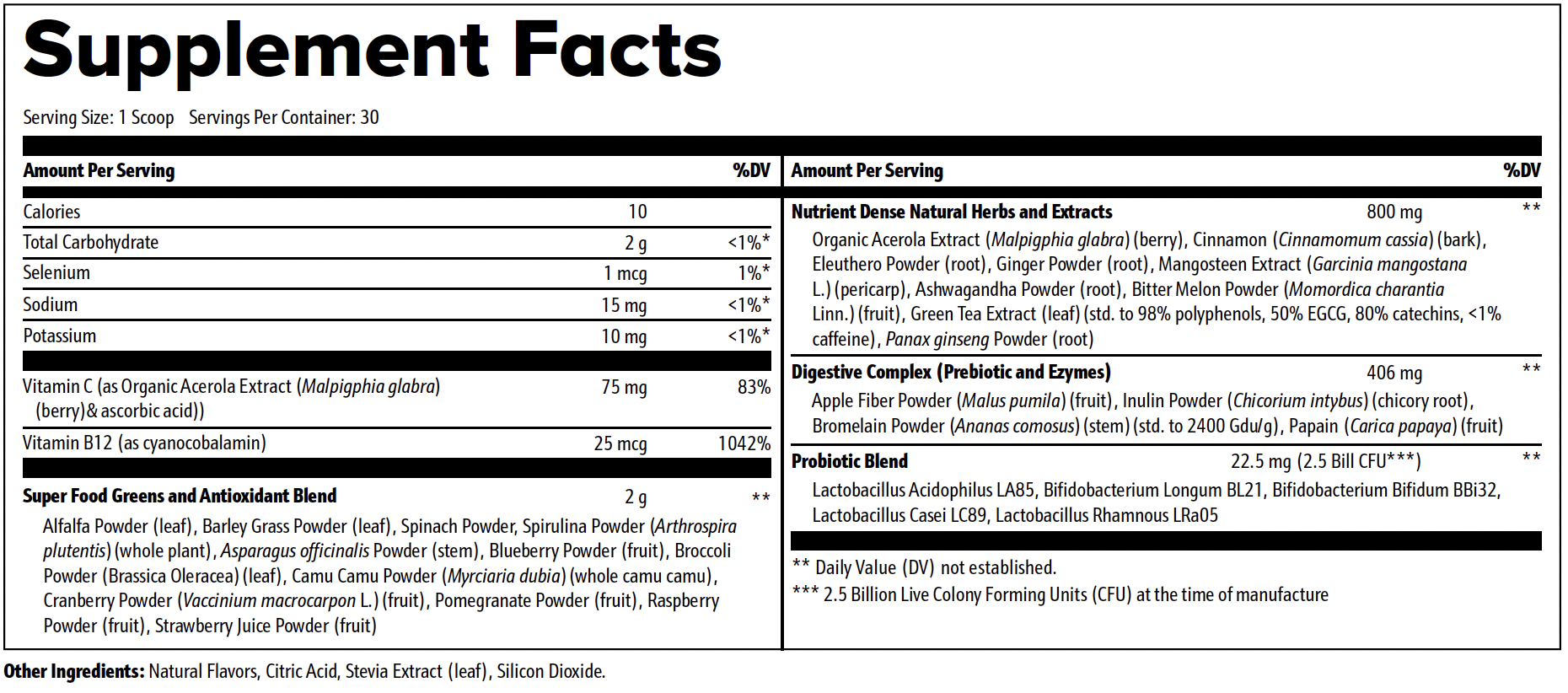
I can’t review what I can’t see. The sales page does not provide a supplement facts panel, an ingredient list, or any dosage information. For a dietary supplement, that’s inexcusable. Reputable companies publish their labels because they have nothing to hide. When a vendor hides the formula, the most likely reason is that the formula doesn’t stand up to scrutiny.
Weight loss supplements often rely on a handful of evidence-backed ingredients: green tea extract (EGCG), caffeine, glucomannan, capsaicin, conjugated linoleic acid (CLA), etc. But these ingredients only work at specific doses, and many products underdose them while hiding behind proprietary blends. Without seeing the label, I have to assume Nagano Tonic is doing exactly that — because if it were properly dosed, the vendor would be shouting about it.
The recurring billing trap
This is where the real risk lives. ClickBank’s refund policy is solid for one-time purchases, but recurring billing changes the math. You buy the first bottle, you have 60 days to try it and request a refund. But if you don’t cancel the subscription, you’ll get charged again — and that second charge isn’t covered by the same refund window. The vendor’s terms likely say opened bottles can’t be returned, so you’re stuck paying for product you didn’t want.
This isn’t unique to Nagano Tonic; it’s a common pattern with high-commission ClickBank supplements. The subscription is where the real profit lives, because refunds on recurring orders are much harder to get. Before you buy, you need to find the cancellation policy and read it carefully. If you can’t find it, that’s your answer.
Who should buy, who should skip
I can’t recommend anyone buy this product without seeing the ingredient label first. If the vendor publishes a full supplement facts panel with clinically relevant doses, then we can talk. Until then, the only reason to buy is if you have $145 to gamble and you’re disciplined enough to cancel the subscription immediately after ordering (and then request a refund if the label disappoints).
Skip this if you want to know what you’re putting in your body before you pay for it. Skip it if you’re not comfortable navigating subscription cancellations. Skip it if you believe a weight loss supplement should cost less than a nice dinner out, especially when the ingredients are a mystery.
The bottom line
Nagano Tonic is a black box wrapped in affiliate hype. The sales page is designed to recruit marketers, not to inform buyers. The price is inflated by a commission structure that rewards promotion over formulation. And the recurring billing model is a trap for anyone who doesn’t read the fine print.
If the vendor ever publishes a label, I’ll update this review. Until then, I would not buy this.
— Mara Vance
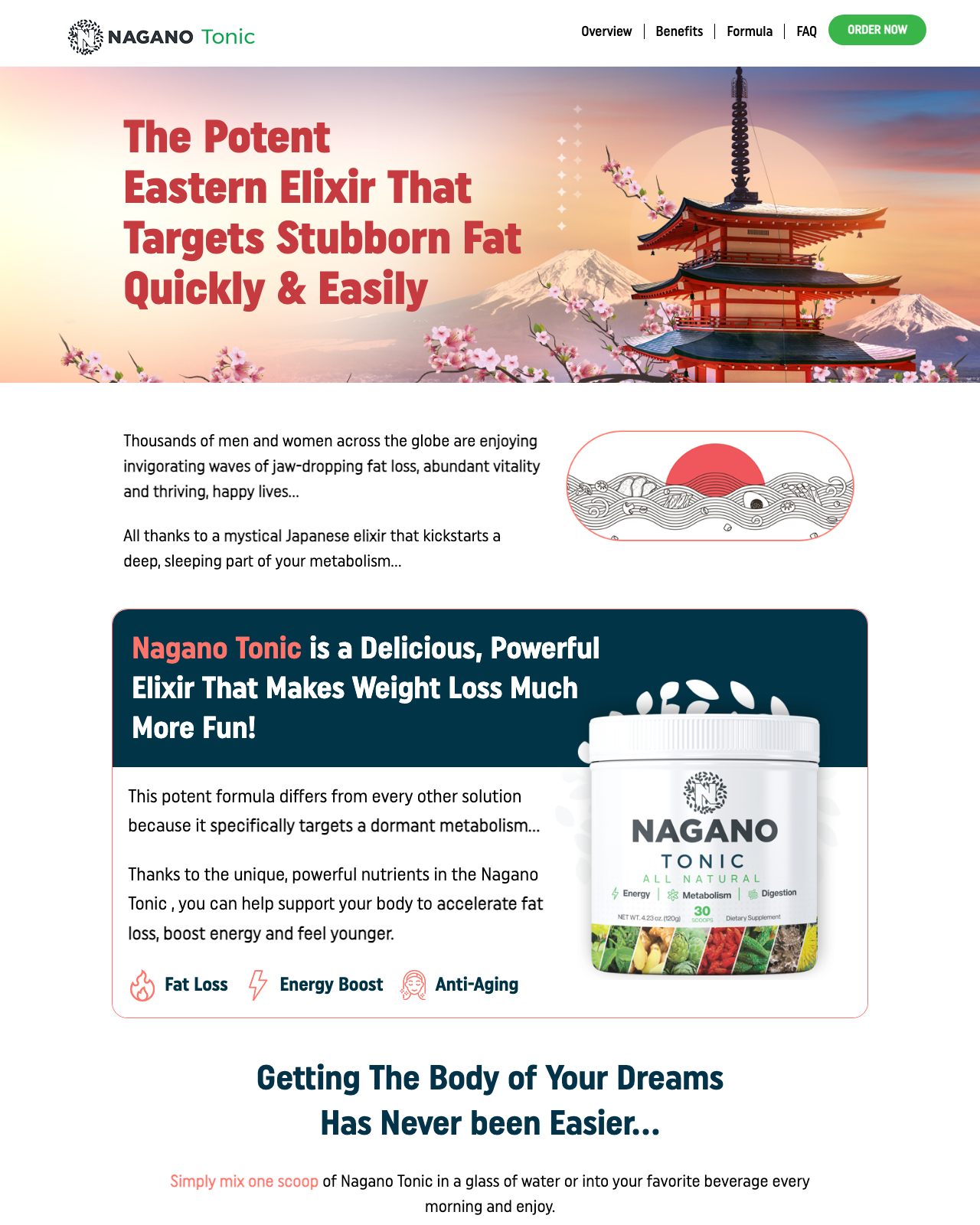
This is the live Nagano Tonic - $5 EPCs funnel our verdict is based on. We measure these on-page promises against the evidence, dose math, price, and refund mechanics above — tap the image to see the seller’s current offer and terms.
 Live sales page →
 Here's what I'd actually do
If you opened this at 11 pm and the page made the supplement look like an answer to something larger:
Close this tab. Nagano Tonic - $5 EPCs is in the band where the marketing is doing the heavy lifting and the formula is not. There are evidence-based versions of every promise on that sales page, and most of them cost a third of the price with full label transparency.
Don't buy this if: Do not buy this if you have a diagnosed condition that this product is implicitly addressing. See a clinician. A $69 bottle does not replace a $0-with-insurance lab panel.
— Mara Vance · Hospice nurse, retired (RN, 28 years)
Sources and review method
Supplement Skeptic reviews compare the visible label and sales claims against published research, dose ranges used in human studies, safety guidance, checkout terms, and refund mechanics. This page is not medical advice.
- Vendor sales page — ClickBank-listed sales page (active as of catalog import)
Frequently asked questions
- What's actually in Nagano Tonic?
- I don't know, and neither will you until after you buy it. The sales page does not list ingredients, dosages, or a supplement facts panel. For a $145 supplement, that's not just a red flag — it's a refusal to let you do your homework.
- Is the 60-day refund real?
- Yes, but only for the first purchase, and only if you cancel the recurring subscription. ClickBank processes refunds, so the vendor can't stonewall you. But if you forget to cancel, you'll get charged again for a product you can't return because you already opened it. Read the fine print.
- Why is it so expensive?
- The $145 price tag is partly funding the 75% affiliate commission — that's $108.75 per sale going to marketers, not to ingredients. High commissions drive hype, but they don't make the product more effective.
- Does Nagano Tonic actually work for weight loss?
- There's no way to answer that without seeing the formula. If it contains effective doses of evidence-backed ingredients like green tea extract, capsaicin, or glucomannan, it might help modestly. If it's a proprietary blend with pixie dust, it's a $145 bottle of nothing. The vendor's refusal to show the label suggests the latter.
More in Dietary Supplements