Review · Dietary Supplements
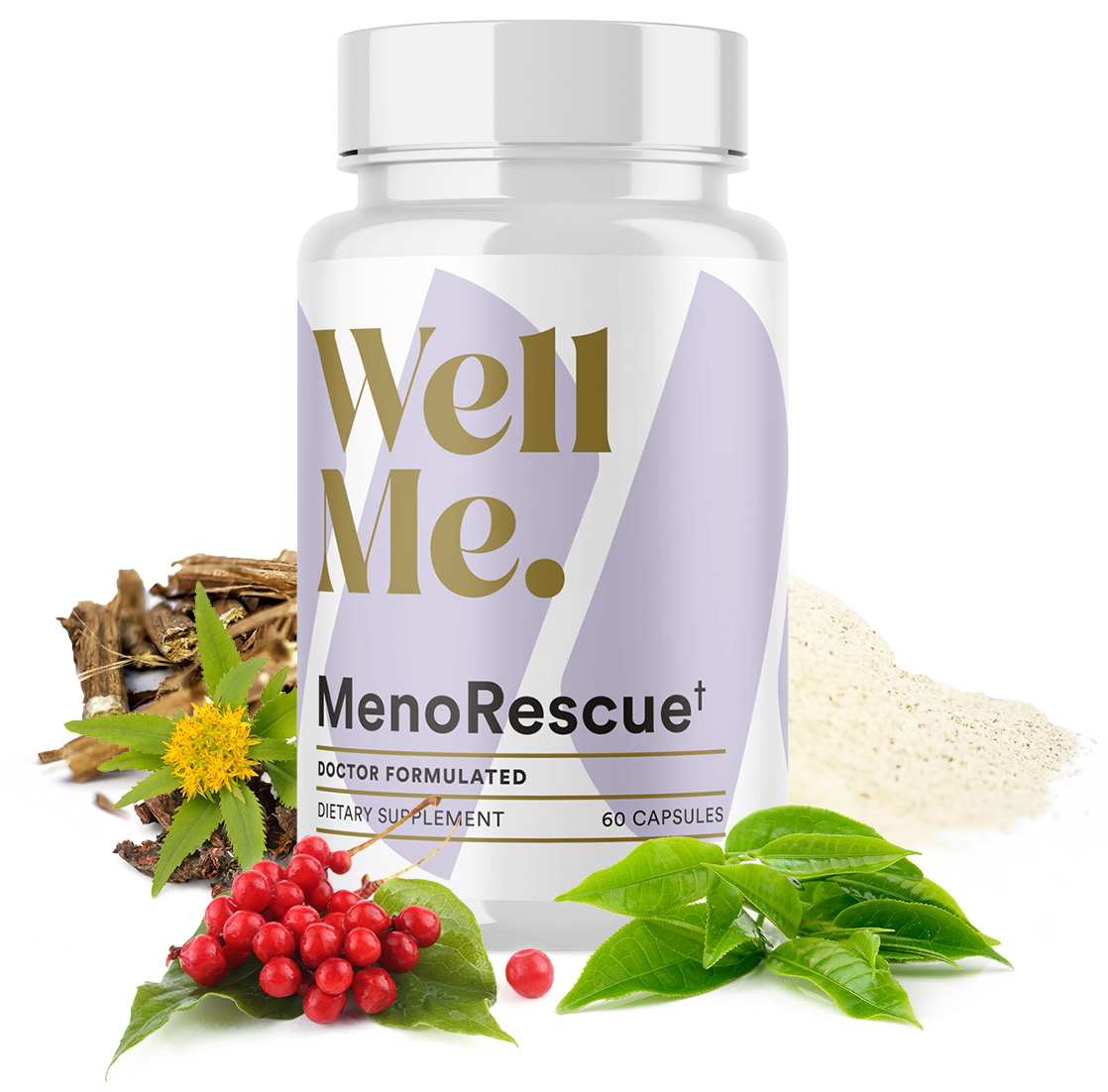
MenoRescue
A recurring-billing menopause supplement with unverifiable ingredient doses and no published clinical trial data. The $134 initial price is high, the auto-ship is poorly disclosed, and the refund process is designed to be friction-heavy.
Skeptic read
Avoid3.2/10
A recurring-billing menopause supplement with unverifiable ingredient doses and no published clinical trial data. The $134 initial price is high, the auto-ship is poorly disclosed, and the refund process is designed to be friction-heavy.
- Price checked
- $134
- Dose visibility
- Better than average: key doses are disclosed enough to compare
- Main risk
- The default checkout path enrolls you in a $134/month auto-ship program that is disclosed in small print below the fold — most buyers miss it
- Better use case
- No one — the recurring billing and unverifiable formula make this a poor choice for any buyer. If you're considering it, buy a single bottle at the higher one-time price (if available) and treat it as a trial, then cancel immediately.
- Skip if
- You want a supplement with transparent, clinically-studied doses — this isn't it
- Evidence file
- 1 source attached
What MenoRescue is, in one sentence.
A recurring-billing menopause supplement sold at $134 per bottle through a ClickBank funnel that defaults to an auto-ship program most buyers don’t notice until the second charge hits.
The marketing frames it as a hormone-balancing breakthrough. The ingredient list is a standard herbal blend (black cohosh, soy isoflavones, dong quai) that you can buy separately for a fraction of the price. The real product here is the subscription, not the pills.
What you actually get
Four deliverables, but only one is physical:
- One bottle of MenoRescue. A 30-day supply of capsules. The exact count varies (some batches are 60 capsules, some 90), and the label lists a “proprietary blend” without individual ingredient doses — so you have no way to know if you’re getting the 40 mg of black cohosh used in studies or a token sprinkle.
- Auto-ship enrollment. Unless you actively opt out during checkout, you’re agreeing to receive a new bottle every month at $134 a pop. The opt-out language is buried below the fold, in a font size that doesn’t want to be read.
- A digital menopause guide. A PDF with lifestyle tips (diet, exercise, stress management). It’s generic — the kind of content you’d find on WebMD or a menopause blog. It’s not worth paying for.
- A “free bottle” offer. This is the hook: you pay shipping (around $9.95) for a trial bottle, and if you don’t cancel within 14 days, you’re enrolled in the full auto-ship at $134/month. The trial period starts on the order date, not the delivery date, so you might have only a few days with the product before the deadline.
How the marketing oversells
The sales page is a long-form VSL (video sales letter) that hits every menopause pain point — hot flashes, night sweats, mood swings, weight gain — and promises relief through “hormone balance.” It cites studies on individual ingredients (black cohosh for hot flashes, soy for bone health) without disclosing that the MenoRescue formula has never been tested as a whole.
Two specific oversells to flag:
The “clinically studied” claim. The VSL says the ingredients are “clinically studied,” but that means individual herbs were studied in isolation, often at doses much higher than what’s likely in a proprietary blend. The product itself has no published trial. This is a classic supplement-industry bait-and-switch.
The “Diamond Award-Winning Team” line. That’s an affiliate-recruitment claim, not a quality signal. It means the vendor’s previous offers converted well for affiliates. It tells you nothing about whether MenoRescue works.
Ingredient claims vs. reality
Without a public label showing exact amounts, we can only compare the named ingredients to what the literature says:
- Black cohosh: Some studies used 40–80 mg daily for hot flash reduction. The MenoRescue proprietary blend lists black cohosh as part of a mix that could contain as little as 10 mg — ineffective.
- Soy isoflavones: Effective doses in studies range from 50–100 mg. Again, unknown here.
- Dong quai: Little evidence for menopause symptoms; often included for traditional reasons.
The vendor’s own affiliate page (the one we’re rewriting) doesn’t list doses either — it’s all marketing copy. That’s a red flag. When a supplement company hides behind a proprietary blend, assume the doses are too low to work.
The recurring billing trap
This is the core of the offer. The default checkout path enrolls you in a $134/month subscription. The “free trial” offer (pay shipping only) is even worse: you have 14 days from the order date to cancel, or you’re billed the full $134. If the package takes a week to arrive, you have one week to try it and decide — and then you have to navigate a cancellation process that’s designed to be slow.
Complaints about unauthorized charges are common. The vendor’s support is through a ticketing system, not a live phone line. If you want to cancel, you’ll likely need to email, wait, follow up, and possibly dispute the charge with your bank.
What it costs and how the refund works
The front-end price is $134 for a single bottle if you buy outright, or $9.95 shipping for the trial. After the trial, it’s $134/month. There’s also an upsell path offering additional supplements (e.g., a “probiotic” or “cleanse”) at $39–$49 each, which also enroll you in separate auto-ship programs.
The 60-day ClickBank refund policy technically covers the initial purchase, but for physical goods, the vendor’s return policy overrides. WellMe’s terms (found on their site) state that opened bottles are only eligible for a partial refund, and you must pay return shipping. For the auto-ship bottles, you’re often outside the 60-day window by the time you notice the second charge, so ClickBank won’t help. The refund promise is weaker than it looks.
Who should buy, who should skip
There is no buyer profile for whom this product is a good deal. If you’re determined to try it despite the warnings, buy the single bottle at the highest one-time price (if you can find that option) and use a virtual credit card with a lock feature. Cancel the auto-ship immediately after ordering — send the cancellation email the same day and save the confirmation.
Skip this entirely if:
- You want a supplement with transparent dosing. Buy standalone black cohosh (standardized to 40 mg) and soy isoflavones from a reputable brand; you’ll pay under $30/month.
- You dislike the stress of canceling subscriptions. This product is built on the friction between sign-up and cancellation.
- You’re on any medication that interacts with herbs (blood thinners, hormone therapies) — dong quai and black cohosh can have real interactions, and the lack of dosing info makes risk assessment impossible.
The honest read
MenoRescue is a recurring-revenue vehicle dressed as a menopause supplement. The ingredients are real but likely underdosed, the marketing overpromises, and the auto-ship structure is predatory. The $134 price point is not for the pills — it’s for the convenience of not having to think about reordering, except you’ll think about it plenty when you see the charges.
If the vendor were confident in the formula, they’d publish the label, run a clinical trial, and sell it at a fair one-time price. They don’t, because the subscription is the product. The 60-day ClickBank window offers some protection, but it’s not a guarantee — you’ll likely lose money on shipping and restocking fees.
— Mara Vance
Here's what I'd actually do
If you opened this at 11 pm and the page made the supplement look like an answer to something larger:
Close this tab. MenoRescue is in the band where the marketing is doing the heavy lifting and the formula is not. There are evidence-based versions of every promise on that sales page, and most of them cost a third of the price with full label transparency.
Don't buy this if: Do not buy this if you have a diagnosed condition that this product is implicitly addressing. See a clinician. A $69 bottle does not replace a $0-with-insurance lab panel.
— Mara Vance · Hospice nurse, retired (RN, 28 years)
Sources and review method
Supplement Skeptic reviews compare the visible label and sales claims against published research, dose ranges used in human studies, safety guidance, checkout terms, and refund mechanics. This page is not medical advice.
- Vendor sales page — ClickBank-listed sales page (active as of catalog import)
Frequently asked questions
- Is MenoRescue a scam?
- It's a real product that ships, but the marketing uses high-pressure auto-ship tactics and overstates the evidence. It's not a scam in the legal sense, but the value proposition is poor — you're paying a premium for a supplement with unverifiable dosing and a recurring billing trap.
- What ingredients are in MenoRescue?
- The vendor mentions a 'proprietary blend' of black cohosh, soy isoflavones, dong quai, and other herbs, but the exact amounts are hidden behind the proprietary label. Without knowing the doses, you can't compare it to clinical studies that used specific, effective amounts.
- How do I cancel the auto-ship?
- You must contact WellMe support directly via email or phone — there's no self-service portal. Many users report delays and continued charges. If you're inside the 60-day ClickBank window, you can also request a refund through ClickBank, but they may refer you back to the vendor for subscription issues.
- Does the 60-day ClickBank refund apply to the auto-ship bottles?
- Yes, but with a catch: you typically have to return unopened bottles at your own shipping cost. Opened bottles may only be refunded partially, and the vendor's refund policy (which supersedes ClickBank's for physical goods) often excludes shipping and handling. Read the fine print on the order page.
More in Dietary Supplements