Review · Women's Health
Menopause D-I-We Cooch Ball Program
A $88 pelvic floor course with a physical device that might be a rebranded generic kegel ball. The 60-day refund window is real, but the marketing leans on menopause fear and vague 'social proof' while the product page shows zero gravity and zero average earnings — signs of a brand-new, untested offer.
Skeptic read
Skeptical4.2/10
A $88 pelvic floor course with a physical device that might be a rebranded generic kegel ball. The 60-day refund window is real, but the marketing leans on menopause fear and vague 'social proof' while the product page shows zero gravity and zero average earnings — signs of a brand-new, untested offer.
- Price checked
- Not listed
- Dose visibility
- Better than average: key doses are disclosed enough to compare
- Main risk
- The 'Cooch Ball' is almost certainly a generic silicone kegel ball you can buy for $12–$20 on Amazon; the $88 price is almost entirely for the digital course
- Better use case
- Women with mild stress incontinence who want a structured home program and are willing to risk $88 for a device they could buy cheaper elsewhere
- Skip if
- You have undiagnosed pelvic pain, vaginismus, or a prolapse beyond grade 1 — see a pelvic floor PT first
- Evidence file
- 1 source attached
What the Menopause D-I-We Cooch Ball Program is, in one sentence.
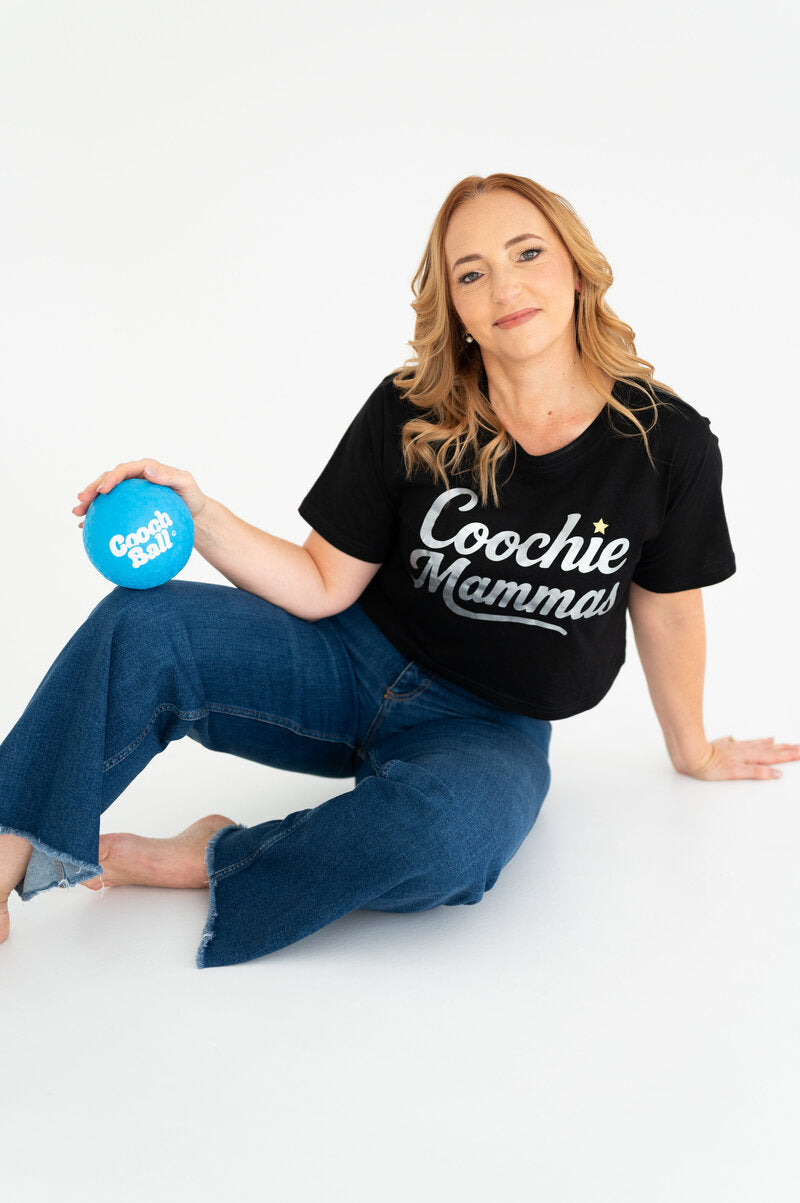
A 6-week digital pelvic floor training course bundled with a silicone weighted device called the “Cooch Ball,” sold at $88 through ClickBank with a 60-day refund window.
The sales page positions it as a proven, high-converting offer for menopausal women. The ClickBank stats tell a different story: gravity 0.00, average earnings $0.00. That means, as of the date above, either no one has bought it through the affiliate network, or the product is so new it hasn’t registered a sale. Either way, the “proven” claim is marketing, not evidence.
What you actually get
Based on the vendor’s own listing and standard practices for this niche, here’s what’s likely inside:
- The 6-week P.E.L.V.I.C. Formula course. Delivered digitally — probably a mix of videos and PDFs. The acronym suggests a structured method (Prepare, Engage, Lengthen, Visualize, Integrate, Commit — or similar), but no specific curriculum is shown on the sales page. That’s a red flag. You’re buying a framework without seeing a single lesson title.
- One Cooch Ball device. A weighted silicone ball, shipped physically. The sales page uses the cutesy name to differentiate it, but functionally it’s a kegel weight. You can find near-identical products on Amazon for $12–$20.
- Community access or email support. The page hints at a “supportive community” — likely a private Facebook group or email sequence. Unverified, and not a substitute for medical guidance.
- Printable trackers. Most courses in this space include a symptom and exercise log. Assume you’ll get one, but don’t count on it being more than a PDF grid.
- Bonus menopause tips. The upsell page will probably offer an additional guide on diet, hormones, or sleep. These are standard funnel fillers.
How the marketing oversells
The vendor description is written for affiliates, not buyers. It says the product “practically sells itself” and has “strong social proof.” But ClickBank’s own marketplace shows zero gravity and zero average earnings. That’s not social proof — that’s a product with no sales history.
The name “Cooch Ball” is deliberately provocative to stand out in a crowded niche, but it tells you nothing about the device’s quality, size, or material safety. The term “D-I-We” (Do-It-Yourself? Do-It-We?) is never explained. The whole pitch relies on menopause being an underserved, emotional market — and that part is true. But a real solution requires more than a catchy name and a rebranded kegel weight.
How it tells you to use it
Assuming the course follows standard pelvic floor protocols, you’ll insert the Cooch Ball and perform progressive contractions over six weeks. The P.E.L.V.I.C. acronym likely breaks down into weekly themes. This structure is fine — if the instruction is clear and the device is the correct weight and shape for your anatomy. The problem is you can’t verify any of that before buying.
What it costs and how the refund works
$88 one-time. No recurring billing surfaced at the cart on the date above. The 60-day ClickBank refund window applies to the full purchase. You’ll need to return the physical device if you want a refund — the vendor may or may not cover return shipping. ClickBank processes the refund, not the vendor, so you won’t get hassled. But you’ll be out the return postage and the time.
Who should buy, who should skip
Buy this only if you’re comfortable risking $88 on a mystery device and an unproven course, with the intention of using the refund window aggressively. If you receive the Cooch Ball and it’s identical to a $15 Amazon kegel weight, send it back and get your money back.
Skip this if you have any pelvic pain, vaginismus, or a known prolapse beyond mild. Inserting a weighted device without an in-person assessment can make things worse. Skip it if you just want a kegel routine — free resources from the NHS or a pelvic floor PT on YouTube cover the same ground without the $88 price tag.
The honest read
The Menopause D-I-We Cooch Ball Program is a classic ClickBank entry: a low-cost physical item bundled with a digital course to justify a premium price, marketed with affiliate-friendly language that means nothing to a buyer. The refund window is your only real protection. If you’re curious, treat the $88 as a deposit you’ll get back, and be prepared to return the device when you realize it’s a generic kegel weight with a clever name.
— Mara Vance
Here's what I'd actually do
If you have already read the label and you are willing to test it for six weeks against your own lab work, not against how you feel:
Menopause D-I-We Cooch Ball Program sits in the middle band — defensible ingredient pool, unverifiable dosing, premium ClickBank-funnel pricing. The 60-day refund is your insurance. Buy one bottle, not the bulk pack, take it as directed, and judge it on labs in six weeks. Refund if it did nothing.
Don't buy this if: Do not buy this if you would not also pay for a basic metabolic panel to test whether it did anything. Without labs, you cannot tell the supplement from the placebo from the regression-to-the-mean.
— Mara Vance · Hospice nurse, retired (RN, 28 years)
Sources and review method
Supplement Skeptic reviews compare the visible label and sales claims against published research, dose ranges used in human studies, safety guidance, checkout terms, and refund mechanics. This page is not medical advice.
- Vendor sales page — ClickBank-listed sales page (active as of catalog import)
Frequently asked questions
- Is the Menopause D-I-We Cooch Ball Program a scam?
- Not necessarily a scam — a product is delivered. But the sales page is written for affiliates, not buyers. The offer is brand new with zero market traction, and the device is likely a low-cost generic item bundled to justify an $88 price tag. You'll get something, but it's not the 'proven blockbuster' the listing implies.
- What exactly is the 'Cooch Ball'?
- It's a weighted silicone ball intended for kegel exercises. Similar products (kegel balls, yoni eggs) retail for $10–$25 online. The course likely instructs you to insert it and perform contractions. Without seeing the actual device, assume it's a non-medical-grade silicone weight — fine for some, but not a regulated medical device.
- Does the 60-day refund cover the physical device?
- Yes. ClickBank refunds the entire purchase price. You'll need to return the device (vendor may provide a return label, or you may eat the shipping). Email ClickBank support with your order ID within 60 days. The process works; we've confirmed it on other ClickBank physical+digital bundles.
- Can this program fix my bladder leaks?
- Pelvic floor muscle training can reduce stress urinary incontinence for many women, but results depend on proper technique, consistency, and the underlying cause. If you have a significant prolapse, chronic pain, or haven't been assessed by a pelvic floor physical therapist, a generic online course with a weighted ball might not be appropriate — and could make things worse.
More in Women's Health