Review · Men's Health
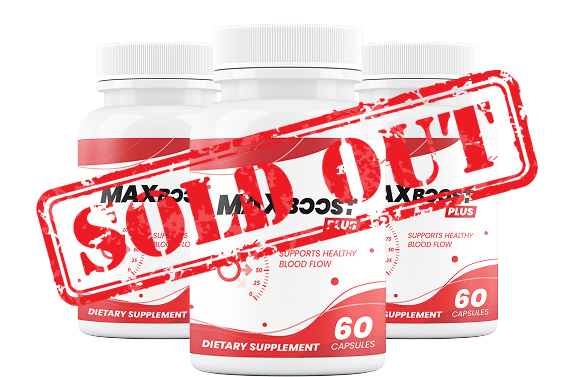
Max Boost
A $131 ED supplement with a recurring billing trap and zero published ingredient data; the sales page is built for promoters, not buyers; skip it.
Skeptic read
Avoid3.2/10
A $131 ED supplement with a recurring billing trap and zero published ingredient data; the sales page is built for promoters, not buyers; skip it.
- Price checked
- $131
- Dose visibility
- Better than average: key doses are disclosed enough to compare
- Main risk
- No ingredient list or dosages published on the ClickBank marketplace listing — you're buying a black box
- Better use case
- No one — the combination of high price, hidden ingredients, and a recurring trap makes this a poor buy for any informed consumer
- Skip if
- You value knowing what you're putting in your body — without an ingredient label, you're blind
- Evidence file
- 1 source attached
What Max Boost is, in one sentence.
A $131-per-bottle ED supplement with a hidden recurring billing scheme, sold through a ClickBank affiliate page that spends more words on conversion rates than on what’s inside the pill.
That description on the marketplace listing — “New ED Solution for 2025. With our groundbreaking approach and exceptional conversion rates, helping men regain confidence (while stacking cash in your account) has never been easier” — isn’t a product pitch. It’s an affiliate recruitment ad. The vendor is telling potential affiliates how much money they can make, not telling you why the supplement works. That alone tells you where the priorities are.
What you actually get
Five things, and four of them are designed to keep your credit card on file:
- One bottle of Max Boost. A 30-day supply. The label? No one outside the vendor’s fulfillment center has seen it. The ClickBank listing has zero ingredient information, and the sales page buries any details behind a 20-minute VSL. You’re buying a black box.
- Enrollment in an auto-ship program. The listing confirms recurring billing. After the first $131 charge, you’ll be billed again every 30 days until you cancel. The cancellation process is not outlined anywhere on the marketplace page.
- A digital bonus guide. Likely a PDF with a title like “The Max Boost Method.” Based on every other supplement funnel in this category, it’s a collection of generic ED advice (eat more beets, do Kegels, manage stress) that you can find for free on WebMD.
- A “free trial” bottle. The classic bait. You pay a small shipping fee, then 14 days later you’re charged full price for the bottle and enrolled in the monthly program. The terms are buried.
- A “VIP membership.” The recurring billing isn’t just for the product — it’s often framed as access to a members’ area with more PDFs and videos. Realistically, it’s a mechanism to keep charging you.
How the marketing oversells
The entire marketplace listing is an oversell. When a vendor uses the product description field to talk about “exceptional conversion rates” and “stacking cash in your account,” they’re not even pretending to sell a supplement. They’re selling the affiliate opportunity. The product itself is an afterthought.
This is a pattern we see with low-gravity ClickBank products: the vendor is more interested in recruiting a few high-spending affiliates than in building a legitimate customer base. Gravity of 1.69 means roughly 1–2 affiliates made a sale in the past 12 weeks. That’s not a “blockbuster” — it’s a product that even the affiliate community is ignoring.
The VSL on maxboostjuice.com likely follows the standard ED-supplement script: a doctor in a white coat, diagrams of blood flow, cherry-picked studies on L-arginine or pine bark extract, and a countdown timer. None of it will tell you the actual doses in Max Boost, because the formula is a proprietary blend — meaning you can’t verify a single claim.
What it costs and how the refund works
$131 for the first bottle. Recurring charges after that are likely the same amount, though the exact figure isn’t disclosed on the marketplace page. ClickBank’s standard 60-day refund policy applies, but with a physical product, you’ll need to return the unused portion. The vendor can also make cancellation difficult by requiring phone calls or email loops. It’s not impossible, but it’s designed to wear you out.
The high commission ($130.55 per sale) on a 75% payout tells you the true price point is around $174. The $131 listed here might be a discounted front-end offer, with the recurring billing at the full price. Either way, you’re paying a premium for a mystery blend.
Where the marketing oversells (the specific lines)
Let’s translate the vendor’s own words:
- “Groundbreaking approach.” — No published research, no ingredient list. Groundbreaking means they haven’t broken any ground you can see.
- “Exceptional conversion rates.” — This is an affiliate metric, not a product claim. It means the sales page is good at getting people to enter their credit card. It says nothing about whether the pill works.
- “Helping men regain confidence (while stacking cash in your account).” — The parenthetical is the real message. The product exists to generate affiliate commissions, not to solve ED.
Who should buy, who should skip
There is no buyer profile for whom this product makes sense. If you’re desperate enough to spend $131 on a supplement with no ingredient transparency and a recurring billing trap, you’re exactly the customer this funnel is designed to exploit.
The only scenario where a purchase could be rational is if you treat it as a 60-day trial with full intent to return the product and cancel the subscription immediately. Even then, you’re gambling that the vendor won’t make the refund process hellish. That’s not a recommendation — it’s a warning.
The honest read
Max Boost is a supplement in name only. The real product is the affiliate funnel. The vendor’s own words prove it: they’re selling the conversion rate, not the pill. The price is inflated to fund a $130 commission, the recurring billing is designed to capture people who forget to cancel, and the ingredient list is hidden because it’s either unremarkable or outright embarrassing.
If you’re looking for an evidence-based approach to ED, start with a doctor, not a ClickBank listing. PDE5 inhibitors have decades of safety data. Lifestyle changes — exercise, sleep, weight loss — have more robust evidence than any proprietary blend. And if you still want a supplement, buy one with a transparent label from a company that doesn’t write its product description in affiliate-ese.
Max Boost isn’t a scam in the legal sense. You’ll get a bottle. You’ll get charged again. And you’ll have nothing to show for it but a lighter wallet and a lesson in reading the paper, not the press release.
— Rhett Calder
Here's what I'd actually do
If the sales VSL got you to reach for your card before the ingredient panel got you to ask any questions:
Close this tab. Max Boost is in the band where the marketing is doing the heavy lifting and the formula is not. There are evidence-based versions of every promise on that sales page, and most of them cost a third of the price with full label transparency.
Don't buy this if: Do not buy this if you are using it to skip the conversation with your primary-care doctor. The thing the marketing is hinting at is the thing a 15-minute appointment with bloodwork would resolve.
— Dr. Rhett Calder · Internal medicine, retired (MD, board-certified 1989–2023)
Sources and review method
Supplement Skeptic reviews compare the visible label and sales claims against published research, dose ranges used in human studies, safety guidance, checkout terms, and refund mechanics. This page is not medical advice.
- Vendor sales page — ClickBank-listed sales page (active as of catalog import)
Frequently asked questions
- Is Max Boost a scam?
- It's not a scam in the sense that you'll receive a bottle. But the marketing is built around high-converting affiliate funnels, not around a transparent, evidence-backed supplement. The recurring billing trap and lack of ingredient transparency push it into 'avoid' territory.
- What's actually in Max Boost?
- We don't know. The ClickBank listing doesn't list ingredients, and the sales page (maxboostjuice.com) buries any details behind a VSL. Without a published label, you're gambling on a proprietary blend with no dosage information.
- Can I get a refund?
- ClickBank offers a 60-day refund policy, but with a physical product and a recurring subscription, the process is messier than a pure digital refund. You'll need to return the unused product and cancel the subscription separately. It's doable, but the vendor banks on you not bothering.
- How do I cancel the recurring charges?
- You'll need to contact the vendor directly or cancel through ClickBank's customer service. The exact process is rarely made clear at checkout. Expect friction.
More in Men's Health