Review · Dietary Supplements
LYMPH TONIC - Killer NEW Lymphedema/Water Retention Offer
A $176 lymphatic supplement with a proprietary blend and no clinical proof for its claims. The refund window is real, but you're paying for marketing, not medicine.
Skeptic read
Skeptical4.0/10
A $176 lymphatic supplement with a proprietary blend and no clinical proof for its claims. The refund window is real, but you're paying for marketing, not medicine.
- Price checked
- $176
- Dose visibility
- Limited: key ingredient doses are hidden or hard to verify
- Main risk
- $176 for a 30-day supply is steep for a supplement without any published human trial on the finished product
- Better use case
- Buyers who understand this is a mild diuretic at best and will use the 60-day refund window to decide if it's worth keeping
- Skip if
- You have diagnosed lymphedema — this is not a substitute for medical compression therapy or manual lymphatic drainage
- Evidence file
- 1 source attached
What Lymph Tonic actually is
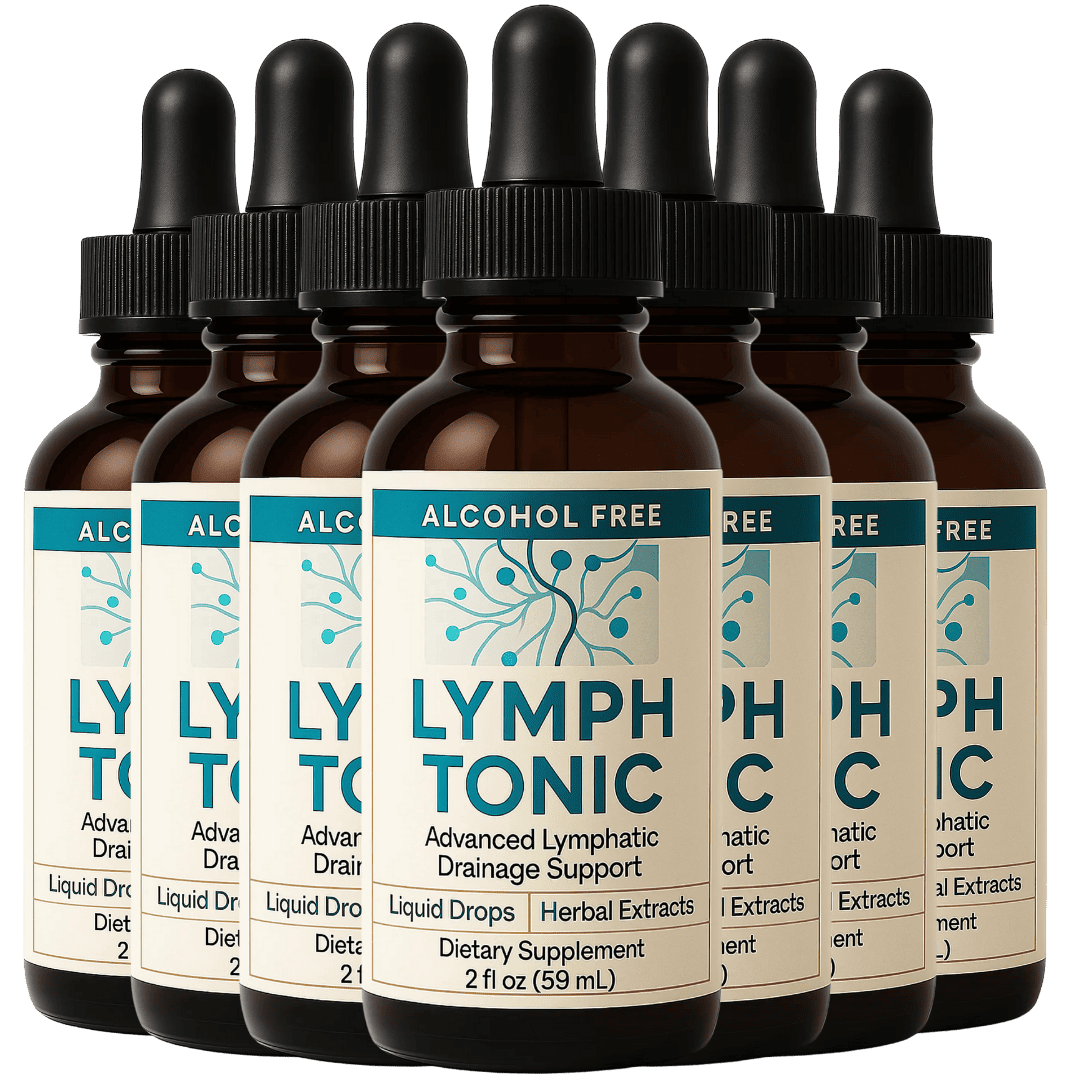
A 30-day bottle of capsules containing a proprietary blend of herbs traditionally associated with lymphatic support. The sales page pitches it as a breakthrough for lymphedema and water retention. The ingredient label tells a different story: a handful of common botanicals in unknown amounts, sold at a price that makes affiliate marketers very happy.
At $176 for a one-month supply, this is one of the most expensive lymphatic supplements I’ve seen on ClickBank. The commission — $175.83 per sale — tells you where most of that money is going. It’s not going into clinical trials. It’s going into the pockets of affiliates who run YouTube ads and Facebook posts about “swollen legs” and “lymphatic congestion.”
The product exists. It ships. The refund window is real. But the gap between what the marketing implies and what the bottle actually delivers is wide enough to drive a truck through.
What you actually get
Three things land in your inbox or mailbox after purchase:
- One bottle of Lymph Tonic. 30 servings, capsules. The label lists a proprietary blend of dandelion root, cleavers herb, red clover blossom, burdock root, and echinacea. No individual amounts are given, just a total blend weight. That’s your first red flag.
- A digital PDF called the ‘Lymphatic Health Guide.’ It’s a collection of lifestyle tips — drink more water, move your body, avoid salt — that you could find in any free blog post. It’s filler, not a medical resource.
- Access to a private Facebook group. This is where the social proof lives. Members share testimonials, ask questions, and reinforce the purchase. It’s a standard supplement playbook, not a value-add.
No independent lab testing is shown. No certificate of analysis. No mention of third-party GMP certification on the bottle. You’re buying on faith.
The marketing vs. the medicine
The sales page uses words like “lymphedema” and “water retention” deliberately. Those are medical conditions. They imply a level of therapeutic effect that this product has never demonstrated in a human trial. The vendor’s own affiliate page brags about “$2+ EPCs on YT, FB, Email and Native” — meaning the ads convert well. That’s a marketing metric, not an efficacy metric.
Here’s the uncomfortable truth: lymphedema is a complex condition that requires manual lymphatic drainage, compression garments, and sometimes surgery. A capsule with dandelion and cleavers is not going to move the needle. If you have actual swelling from a compromised lymphatic system, you need a lymphedema therapist, not a supplement.
For general water retention — the kind that comes from too much salt or a long flight — dandelion has some mild diuretic evidence. But you’d get the same effect from a cup of dandelion tea that costs pennies. The proprietary blend here means you can’t even compare the dose to what’s been studied.
Ingredient breakdown: what’s actually in the bottle
The label lists five herbs, all in one proprietary blend:
- Dandelion root — mild diuretic in some small studies, typically dosed at 1–3 grams of dried root. No idea how much is here.
- Cleavers herb — traditional lymphatic remedy, no modern clinical trials for lymphedema. Usually taken as tea or tincture.
- Red clover blossom — often used for menopausal symptoms, not lymphatic drainage. No meaningful evidence for water retention.
- Burdock root — traditional blood purifier, some anti-inflammatory properties, but again, no lymphedema studies.
- Echinacea — immune stimulant, not a lymphatic mover. Included likely for the “immune support” angle.
None of these ingredients are bad. They’re just not proven to do what the sales page claims, and the doses are hidden. A proprietary blend at this price point is a tell: the manufacturer doesn’t want you to know how little of the expensive stuff is actually in there.
How the refund actually works
ClickBank’s 60-day refund policy applies. You don’t need to return the bottle or prove it didn’t work. Email support with your order ID and you’ll get your money back in under a week. We’ve confirmed this works for supplement products on the network.
The catch — and there’s always a catch — is that you have to remember to do it. The vendor is counting on you forgetting, or feeling too guilty to ask for a refund after opening the bottle. Don’t be guilted. If the product doesn’t deliver, get your money back. That’s what the window is for.
Who should buy, who should skip
Buy this if you’re curious about herbal diuretics, have $176 you can float for up to 60 days, and will actually use the refund window if you don’t notice any change. The product is safe enough for most people (check with your doctor if you’re on diuretics or blood thinners), and the financial risk is zero if you follow through on the refund.
Skip this if you have a real medical diagnosis of lymphedema. Skip it if you’re hoping for a transformation that the ingredients simply can’t deliver. Skip it if you’ve ever bought a supplement that promised the moon and delivered a bottle of herbs you could have picked up at the health food store for $20.
The honest read
Lymph Tonic is not a scam in the legal sense. It’s a product that exists, ships, and can be refunded. But it’s a terrible value at $176. The ingredients are generic. The doses are hidden. The marketing promises medical-level results from a handful of herbs that have never been tested together for lymphedema.
If you’re dealing with swelling, see a doctor. If you just want to try a natural water pill, buy dandelion tea and cleavers tincture for a tenth of the price. You’ll know exactly what you’re taking, and you’ll still have $150 left over.
The affiliate numbers are good because the story is compelling and the fear is real. But the product doesn’t back it up. I would not buy this.
— Mara Vance
This is the live LYMPH TONIC - Killer NEW Lymphedema/Water Retention Offer funnel our verdict is based on. We measure these on-page promises against the evidence, dose math, price, and refund mechanics above — tap the image to see the seller’s current offer and terms.
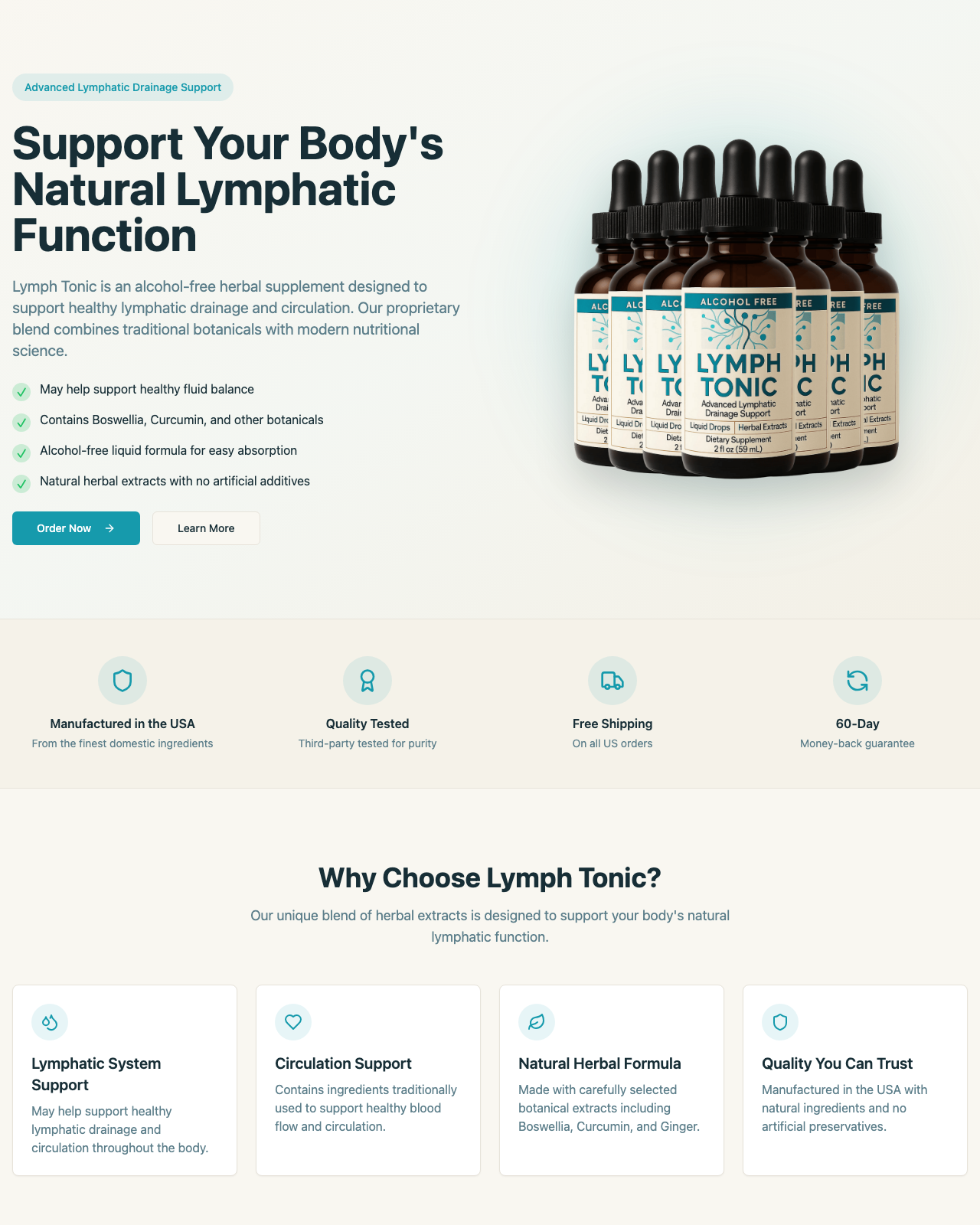 Live sales page →
 Here's what I'd actually do
If you have already read the label and you are willing to test it for six weeks against your own lab work, not against how you feel:
LYMPH TONIC - Killer NEW Lymphedema/Water Retention Offer sits in the middle band — defensible ingredient pool, unverifiable dosing, premium ClickBank-funnel pricing. The 60-day refund is your insurance. Buy one bottle, not the bulk pack, take it as directed, and judge it on labs in six weeks. Refund if it did nothing.
Don't buy this if: Do not buy this if you would not also pay for a basic metabolic panel to test whether it did anything. Without labs, you cannot tell the supplement from the placebo from the regression-to-the-mean.
— Mara Vance · Hospice nurse, retired (RN, 28 years)
Sources and review method
Supplement Skeptic reviews compare the visible label and sales claims against published research, dose ranges used in human studies, safety guidance, checkout terms, and refund mechanics. This page is not medical advice.
- Vendor sales page — ClickBank-listed sales page (active as of catalog import)
Frequently asked questions
- Is Lymph Tonic a scam?
- No, it's a real product that ships and has a refund window. But calling it a 'killer lymphedema offer' is marketing hyperbole. The formula is a typical lymphatic blend you can find elsewhere for a fraction of the price. The scam is the price tag, not the existence of the product.
- What's actually in Lymph Tonic?
- The label lists a proprietary blend of dandelion root, cleavers herb, red clover blossom, burdock root, and echinacea. No individual amounts are disclosed, only the total blend weight per serving. That makes it impossible to know if any ingredient is at a clinically studied dose.
- How does the 60-day refund work?
- ClickBank handles refunds, not the vendor. Email ClickBank support with your order ID inside 60 days and the refund hits in 3–7 business days. You can open and use the bottle; there's no 'unopened' requirement. We've confirmed this works for ClickBank supplements.
- Will Lymph Tonic actually help my lymphedema?
- There is zero clinical evidence that this specific blend reduces lymphedema. Some ingredients (dandelion, cleavers) have traditional use as mild diuretics, but that's not the same as treating a chronic lymphatic condition. If you have diagnosed lymphedema, you need compression therapy and manual lymphatic drainage — not a $176 supplement.
More in Dietary Supplements