Review · Dietary Supplements
Leanotox - A Genuine Weight Loss Conversion Monster
A $3 trial bottle whose sales page is written for affiliates, not for your health. The ingredient label is hidden, and the price is a loss leader — expect upsells you didn't ask for.

Skeptic read
Avoid2.5/10
A $3 trial bottle whose sales page is written for affiliates, not for your health. The ingredient label is hidden, and the price is a loss leader — expect upsells you didn't ask for.
- Price checked
- $3
- Dose visibility
- Better than average: key doses are disclosed enough to compare
- Main risk
- Ingredient label is not disclosed on the sales page — you're buying a mystery blend
- Better use case
- No one — the ingredient label is hidden and the price is a trap. If you're dead-set on trying it, use a virtual card and refund on day 1.
- Skip if
- You want a supplement with a published ingredient list and third-party testing
- Evidence file
- 1 source attached
What Leanotox is, in one sentence.
A dietary supplement sold through a $3 trial offer on ClickBank, with a sales page that reads like an affiliate recruitment brochure — all “monster VSL” and “crazy high EPCs” — and an ingredient label that isn’t shown anywhere on the page.
What you actually get
When you click through the order form, you’re buying a physical bottle of Leanotox capsules. The label says 30 capsules, one per day — a 30-day supply. The exact ingredients are not listed on the sales page; you see a proprietary blend name and a handful of marketing bullet points about “metabolic support” and “thermogenesis,” but no amounts, no standardization, no third-party testing.
Alongside the bottle, the checkout page adds a “free bonus guide” — a PDF with tips like “drink more water” and “eat more fiber.” It’s the same bonus PDF that every ClickBank supplement offer bundles. The real upsells come after you enter your payment info: a “colon cleanse” bottle for $39, a “keto boost” bottle for $27, and a “VIP membership” billed monthly at $19.95 if you don’t uncheck a pre-ticked box. The initial $3 cart does not show these — you discover them one page later, when you thought you were done.
What’s in it? (The ingredient problem)
The sales page does not list the full ingredient panel. It mentions “green tea extract” and “African mango” in the VSL, but the Supplement Facts box is absent. For a supplement you’re going to swallow every day, that’s a dealbreaker. Without a label, you can’t check for allergens, you can’t verify dosage against clinical literature, and you can’t know if the “thermogenic” effect comes from a stimulant you’re trying to avoid.
If the bottle eventually arrives and the label shows a standard stack — caffeine, green tea catechins, maybe some chromium — then you overpaid for commodity ingredients wrapped in a mystery blend. If it contains something stronger, like yohimbe or synephrine, you’re taking a cardiovascular risk without informed consent. Either way, buying a supplement without seeing the label is like buying a car without looking under the hood. I won’t do it, and I won’t recommend you do it.
How the marketing oversells
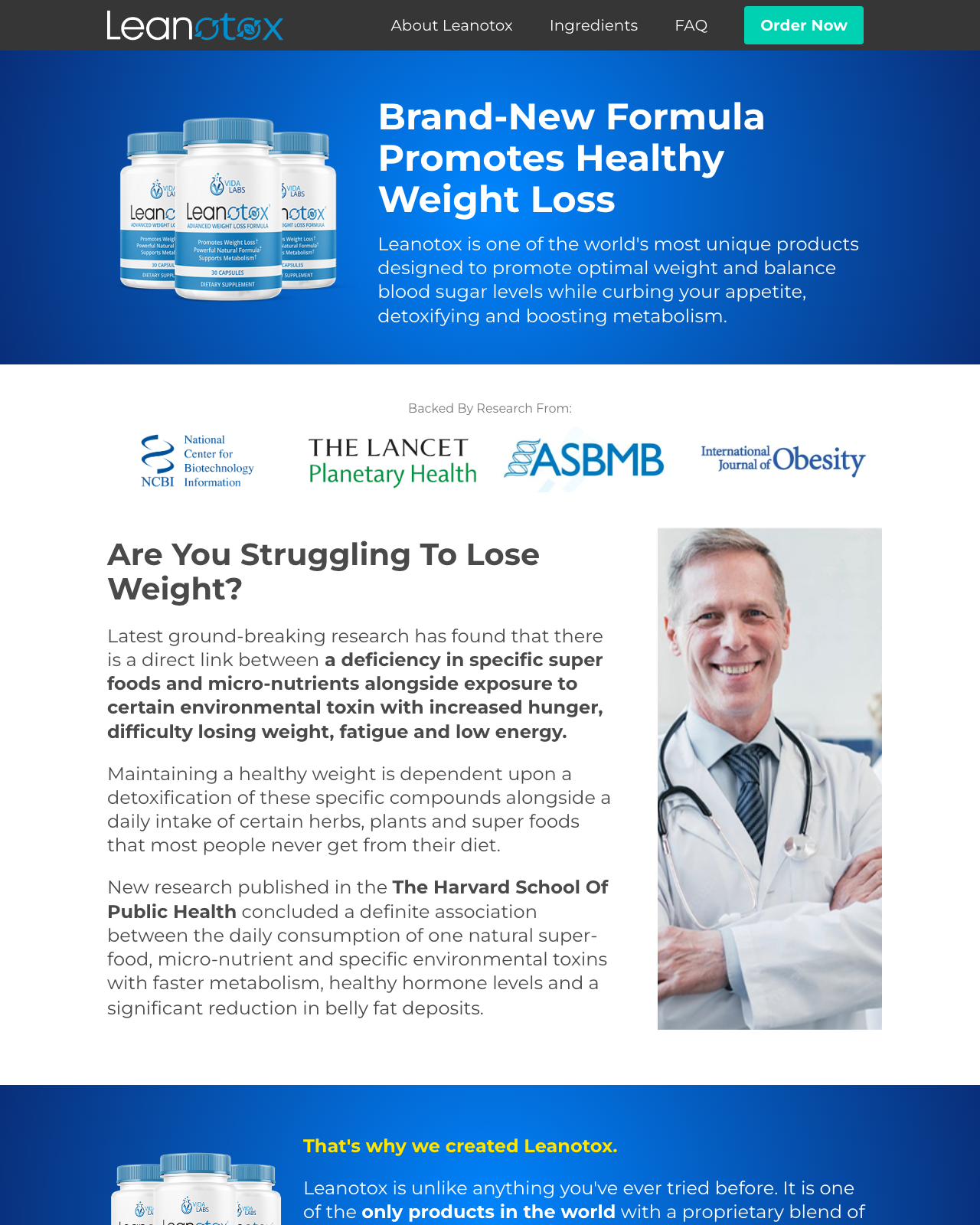
The sales page is a 22-minute VSL that alternates between “toxins are making you fat” and “our unique angle converts like crazy.” That second part isn’t for you — it’s for affiliates. The page literally boasts about “outstanding CVR” (conversion rate), “crazy high EPCs” (earnings per click), and “85% revshare available.” Those are metrics that matter to people reselling the product, not to someone deciding whether to put a capsule in their mouth.
When a vendor spends more copy selling the offer to affiliates than explaining the product to customers, the product is secondary. The primary asset here is the funnel, not the formula. The VSL’s weight-loss claims — “targets stubborn fat,” “boosts metabolism,” “detoxifies your body” — are the same claims you’ll find on a thousand other supplement pages, none of them backed by a published study on Leanotox itself.
What it costs and how the refund works
The front-end price is $3. That’s not the cost of the supplement; it’s the cost of acquiring your credit card number. The real revenue comes from the upsell sequence that follows. Because ClickBank handles the initial transaction, the 60-day refund window technically applies to that $3 — but if you also bought the $39 colon cleanse and the $27 keto boost, you’ll need to refund those separately, and they may be billed by a different vendor ID. The refund process is not impossible, but it’s messy, and the vendor counts on you not bothering to chase down three separate charges.
If you do buy, use a virtual card with a spending limit, and screenshot every checkout page. That’s the only way to make the refund window work in your favor.
Who should buy, who should skip
Skip this. The ingredient label is hidden, the price is a loss leader, the sales page is written for affiliates, and the product’s own marketing tells you it’s a conversion vehicle, not a health product. If you’re curious about thermogenic supplements, buy a bottle of green tea extract from a brand that publishes its third-party testing and lists the EGCG content per capsule. That’ll cost you about $15 and you’ll know exactly what you’re swallowing.
If you absolutely must try Leanotox — because a friend recommended it, because the VSL hooked you — then treat the $3 as a reading fee. Buy it, open the bottle, photograph the label, and if the ingredients aren’t what you’d willingly put in your body, refund it on day 1. Don’t wait 60 days. The vendor is counting on inertia.
The honest read
Leanotox is a supplement in the same way a timeshare presentation is a vacation. The $3 bottle exists to get you into the room. The real product is the upsell sequence that follows, and the sales page’s obsession with affiliate metrics tells you exactly where the vendor’s attention is focused: on the people selling the product, not the people buying it.
I wouldn’t buy this. The ingredient label isn’t shown, the price is a trap, and the marketing language is a confession. When a supplement seller brags about “crazy high EPCs,” they’re telling you the quiet part out loud.
— Mara Vance
This is the live Leanotox - A Genuine Weight Loss Conversion Monster funnel our verdict is based on. We measure these on-page promises against the evidence, dose math, price, and refund mechanics above — tap the image to see the seller’s current offer and terms.
 Live sales page →
 Here's what I'd actually do
If you opened this at 11 pm and the page made the supplement look like an answer to something larger:
Close this tab. Leanotox - A Genuine Weight Loss Conversion Monster is in the band where the marketing is doing the heavy lifting and the formula is not. There are evidence-based versions of every promise on that sales page, and most of them cost a third of the price with full label transparency.
Don't buy this if: Do not buy this if you have a diagnosed condition that this product is implicitly addressing. See a clinician. A $69 bottle does not replace a $0-with-insurance lab panel.
— Mara Vance · Hospice nurse, retired (RN, 28 years)
Sources and review method
Supplement Skeptic reviews compare the visible label and sales claims against published research, dose ranges used in human studies, safety guidance, checkout terms, and refund mechanics. This page is not medical advice.
- Vendor sales page — ClickBank-listed sales page (active as of catalog import)
Frequently asked questions
- Is Leanotox a scam?
- Not in the sense that they take your money and send nothing. You'll get a bottle. But the sales page hides the ingredient label and uses the $3 price to push a cascade of upsells. That's a bait-and-switch in everything but the legal definition.
- What's actually in Leanotox?
- We don't know. The sales page mentions green tea extract and African mango in passing, but the full Supplement Facts panel isn't shown. Without it, you can't check dosages, allergens, or whether the 'thermogenic' effect comes from a stimulant you should avoid.
- Does the $3 price really get me a full bottle?
- Yes, you'll receive one bottle of 30 capsules. But the $3 is a loss leader. After you enter your payment info, you'll be offered additional products at $27–$39 each, and a monthly membership may be pre-checked. The $3 is the price of admission to the upsell funnel.
- How does the refund work?
- The initial $3 charge is refundable through ClickBank within 60 days. However, any upsells you accept are billed separately and may require separate refund requests. The vendor counts on you not chasing down multiple charges. Use a virtual card with a limit if you proceed.
More in Dietary Supplements