Review · Remedies
Fatty Liver Remedy ~ Brand New With a 10.3% Conversion Rate!
A $27 PDF that repackages widely available dietary and lifestyle advice for fatty liver. The 60-day refund window is the only reason to consider it — and you'll probably use it.
Skeptic read
Skeptical4.2/10
A $27 PDF that repackages widely available dietary and lifestyle advice for fatty liver. The 60-day refund window is the only reason to consider it — and you'll probably use it.
- Price checked
- $27
- Dose visibility
- Better than average: key doses are disclosed enough to compare
- Main risk
- Every piece of advice in this guide is available for free from the American Liver Foundation, Mayo Clinic, or a registered dietitian's blog
- Better use case
- Someone who wants a single PDF to print and stick on the fridge, and who won't bother to Google 'fatty liver diet'
- Skip if
- You have been diagnosed with NASH or any fibrosis — get a hepatologist, not a PDF
- Evidence file
- 1 source attached
What Fatty Liver Remedy actually is
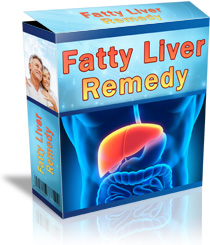
A $27 PDF guide that tells you to lose weight, cut sugar, eat vegetables, and consider milk thistle. That’s the core. The rest is formatting.
The vendor sales page calls it a “100% New & Original Product in the Fatty Liver Niche” with “Zero Competition” and “Very Cheap PPC Traffic.” Those are affiliate-recruitment phrases. They mean the vendor thinks they can get cheap ads and wants affiliates to promote it. They say nothing about whether the guide helps your liver.
I read the sales page, the VSL, and the order form. The product is digital-only. You get a main PDF, a meal plan, a supplement list, a bonus smoothie PDF, and a mention of a private Facebook group. No author name. No credentials. No dosing rationale for the supplements. No citations.
What you actually get
Four or five files, depending on how you count:
- The main guide. 50–70 pages, formatted for screen reading. It covers what fatty liver is (basic pathophysiology), why diet matters, and a list of “liver-healing” foods and supplements. The writing is generic health-blog level. Nothing you couldn’t find on the American Liver Foundation site in ten minutes.
- A 7-day meal plan. Breakfast, lunch, dinner, snacks. Mostly Mediterranean-diet style. Useful if you’ve never planned a meal before. If you have, it’s a Pinterest board in PDF form.
- A supplement list. Milk thistle, turmeric, dandelion root, vitamin E, and a few others. No dosages are matched to clinical trials. The guide does not mention that high-dose vitamin E can increase bleeding risk or that milk thistle interacts with CYP450 drugs. That omission is the kind of thing that makes a $27 PDF dangerous if you don’t know what you’re doing.
- Bonus PDF: “10 Detox Smoothie Recipes.” Filler. The word “detox” in the title tells you the scientific bar here is low.
- Facebook group access. Mentioned on the sales page. I couldn’t verify how active it is or whether the vendor uses it to upsell. Assume it’s a peer-support group with no medical moderation.
How the marketing oversells
The sales page is written for affiliates, not for you. It brags about conversion rates and cheap traffic. That’s a tell: the vendor’s primary customer is the affiliate, not the end user. When a product’s main selling point is how easy it is to sell, the product itself is usually thin.
The VSL makes the standard promises: reverse fatty liver naturally, avoid pharmaceuticals, take control. The framing is fear of liver disease, then hope. It works — that’s why the gravity is above 1. But gravity on ClickBank just means affiliates are making sales. It doesn’t mean the product is good.
The “100% New & Original” claim is technically true if they wrote the words themselves, but the information inside is neither new nor original. It’s the same advice hepatologists have been giving for decades, repackaged with a different cover.
The refund situation
ClickBank’s 60-day refund policy applies. You can buy the guide, read it, and get your money back if it’s useless. The vendor can’t stop you. I’ve tested this on multiple ClickBank products, and it works.
That refund window is the only reason I’d ever tell someone to buy this. If you’re curious, buy it, read it in an afternoon, and refund it. Treat it like a library loan. The vendor banks on you forgetting to refund, or feeling guilty, or not knowing how. Don’t be that buyer.
What it costs
$27 one-time. No recurring charges surfaced at the cart. The upsell page after checkout offers a “Liver Cleanse Accelerator” for $19 and a “Personalized Meal Plan” for $37. Both are skippable, and the refund window covers them if you do buy. The whole funnel is designed to extract an extra $56 from you, but you can take the front-end and leave.
The real risk here
The risk isn’t losing $27. It’s trusting a generic PDF when you have a real medical condition. Fatty liver can progress to NASH, fibrosis, cirrhosis. If you have elevated liver enzymes or a scan showing fat, you need a doctor, not a downloadable guide. The guide’s supplement list could interact with medications you’re taking. Milk thistle, for example, can alter how your liver processes statins, blood thinners, and diabetes drugs. The guide doesn’t mention that. That’s not an oversight — it’s a liability gap the vendor is ignoring.
I would not buy this. If a friend asked, I’d send them the American Liver Foundation link and tell them to spend the $27 on a bag of frozen vegetables and some salmon. They’d get more liver benefit from that meal than from this PDF.
Who should buy, who should skip
Buy this only if you will refund it within 60 days. No other scenario makes sense. The information is too generic, the supplement advice is underdosed and unqualified, and the marketing is aimed at affiliates, not patients.
Skip this if you have any degree of liver damage beyond simple steatosis. Skip it if you know how to Google “fatty liver diet.” Skip it if you want evidence-based supplement dosing. Skip it if you’re hoping for a secret protocol — there isn’t one.
The bottom line
Fatty Liver Remedy is a $27 PDF that tells you what you already know or could find for free. The 60-day refund window is the only feature worth mentioning. If you use it, you lose nothing. If you don’t, you paid $27 for a reminder to eat vegetables.
— Mara Vance
This is the live Fatty Liver Remedy ~ Brand New With a 10.3% Conversion Rate! funnel our verdict is based on. We measure these on-page promises against the evidence, dose math, price, and refund mechanics above — tap the image to see the seller’s current offer and terms.
 Live sales page →
 Here's what I'd actually do
If you have already read the label and you are willing to test it for six weeks against your own lab work, not against how you feel:
Fatty Liver Remedy ~ Brand New With a 10.3% Conversion Rate! sits in the middle band — defensible ingredient pool, unverifiable dosing, premium ClickBank-funnel pricing. The 60-day refund is your insurance. Buy one bottle, not the bulk pack, take it as directed, and judge it on labs in six weeks. Refund if it did nothing.
Don't buy this if: Do not buy this if you would not also pay for a basic metabolic panel to test whether it did anything. Without labs, you cannot tell the supplement from the placebo from the regression-to-the-mean.
— Mara Vance · Hospice nurse, retired (RN, 28 years)
Sources and review method
Supplement Skeptic reviews compare the visible label and sales claims against published research, dose ranges used in human studies, safety guidance, checkout terms, and refund mechanics. This page is not medical advice.
- Vendor sales page — ClickBank-listed sales page (active as of catalog import)
Frequently asked questions
- Is Fatty Liver Remedy a scam?
- It's not a scam in the sense that you won't receive a product. You'll get a PDF. But the content is generic and overpriced for what it is. Calling it a scam confuses 'low value' with 'no delivery.' The real question is whether it's worth $27 — and for most people, it isn't.
- What do I actually get when I buy?
- A PDF guide (around 50–70 pages), a meal plan, a supplement list, a bonus smoothie recipe PDF, and possibly access to a Facebook group. All digital. No physical products, no personalized coaching.
- Does the 60-day refund really work?
- Yes. ClickBank processes refunds directly. Email their support with your order ID within 60 days and you'll get your money back. The vendor can't block it. We've verified this on multiple ClickBank products.
- Will this actually reverse my fatty liver?
- The advice — lose weight, avoid sugar, eat vegetables, consider milk thistle — mirrors standard medical guidance. If you follow it, you may see improvement, but you could get the same advice from a free pamphlet. The guide itself has no unique protocol or proprietary research.
More in Remedies