Review · Remedies
CelluFend – Supports GLP-1 Activity For Stable Daily Blood Sugar
No ingredient list, no clinical evidence, and a sales page built for affiliates, not buyers. This is a blind purchase with a 60-day refund window as its only safety net.
Skeptic read
Avoid3.2/10
No ingredient list, no clinical evidence, and a sales page built for affiliates, not buyers. This is a blind purchase with a 60-day refund window as its only safety net.
- Price checked
- Not listed
- Dose visibility
- Better than average: key doses are disclosed enough to compare
- Main risk
- No ingredient list, no supplement facts panel, no dosage information anywhere on the sales page — you are buying a mystery bottle
- Better use case
- No one — you can't evaluate what you can't see. If you're curious enough to gamble, use the refund window as a safety net and open the bottle only after you've found an ingredient list (if one exists inside the package).
- Skip if
- You want to know what you're swallowing — the vendor refuses to tell you before purchase
- Evidence file
- 1 source attached
What CelluFend claims to be
A supplement that “supports GLP-1 activity for stable daily blood sugar.” That’s the entirety of the product promise, pulled from the title and a brief sales page blurb. No mechanism explained. No ingredient named. No study cited.
The sales page is an affiliate recruitment page, not a product page. The hero text reads: “#1 Blood Sugar GLP1 offer in 2026 - Get up to 80% rev share and BEST commissions! Optimized checkout page & high converting upsells (check affiliate page for whitelist) + top-tier funnel!”
That’s a pitch to affiliates, not to someone trying to decide whether to put this in their body. The vendor is selling the offer, not the supplement.
What you actually get (or don’t)
You get a bottle of capsules. That’s all I can confirm. No ingredient list, no supplement facts panel, no dosage information, no count of capsules, no indication of serving size. The checkout page likely reveals a price — but that price is hidden until you start the purchase flow, which is a standard dark pattern for ClickBank supplements of this type.
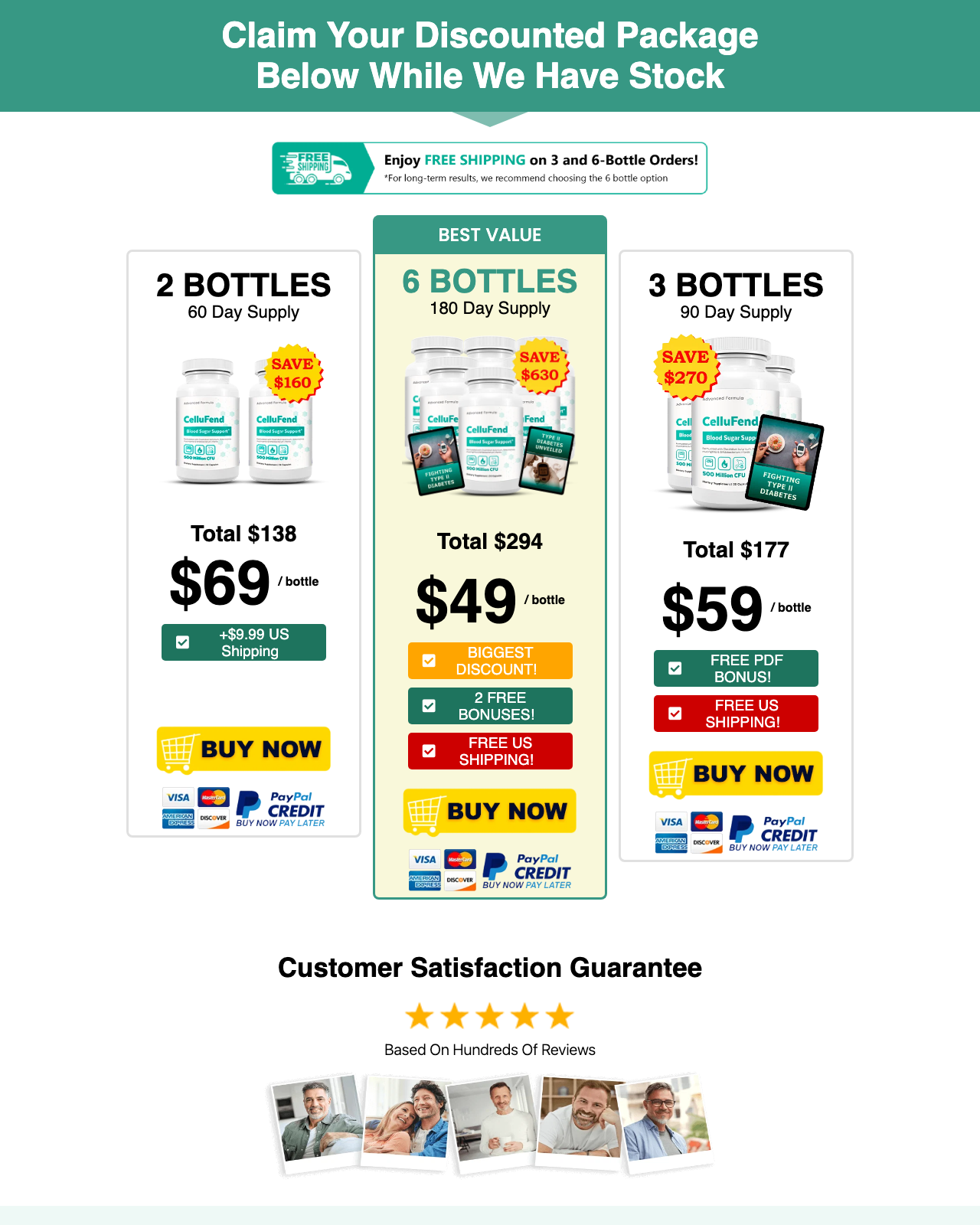
Based on the category and pricing patterns, you’re probably paying $49–$69 for a 30-day supply, plus whatever upsells are dropped into the funnel post-purchase. Those upsells are equally opaque. You won’t know what they are or what they cost until you’ve already handed over your card.
The only concrete deliverable is the 60-day ClickBank refund window. That’s real, and it’s the single piece of this transaction that works in your favor.
The GLP-1 claim — what it means and what it doesn’t
GLP-1 (glucagon-like peptide-1) is a hormone that stimulates insulin secretion and slows gastric emptying. It’s the target of blockbuster diabetes and weight-loss drugs like semaglutide. The idea that a natural supplement could “support GLP-1 activity” is not inherently absurd — berberine, for example, has some evidence of modest GLP-1 effects.
But the gap between “some evidence” and “this specific product works” is enormous, and the vendor fills it with nothing. No ingredient is named. No dose is given. No study is referenced. The phrase “supports GLP-1 activity” is doing all the heavy lifting, and in the supplement industry, that phrase is a known flag: it often means the product contains a sprinkle of something that showed a hint of effect in a rodent study, dosed far below what would matter in humans.
If CelluFend contained a clinically meaningful dose of berberine (typically 500 mg three times daily), the vendor would shout that from the sales page. They don’t. That silence is the loudest data point.
The affiliate funnel — why the page reads like a business pitch
The product description on ClickBank is written in affiliate-network language: “#1 Blood Sugar GLP1 offer,” “80% rev share,” “optimized checkout page,” “high converting upsells.” These are metrics for people who send traffic, not for people who take pills. The vendor is recruiting affiliates, not informing customers.
This matters because a supplement sold primarily through affiliates has different incentives than one sold directly to consumers. The vendor’s priority is a funnel that converts cold traffic into sales, not a product that stands up to scrutiny. The refund window is the escape hatch — and the vendor knows most buyers won’t use it.
The refund — how it actually works
ClickBank offers a 60-day money-back guarantee on all products. You email support with your order ID, and the refund is processed in under a week. The vendor cannot block it. This is the only reason I’d ever suggest someone try a product like this: buy it, open the bottle only after you’ve found an ingredient list (if one is even included inside), and decide on day 50 whether you’d recommend it to a friend. Most people won’t do this, and the vendor counts on that.
The real risk
The risk isn’t just wasting money. It’s ingesting an unknown combination of compounds at unknown doses, possibly interacting with medications you’re taking for blood sugar or other conditions. If you’re on metformin, insulin, or any diabetes medication, adding an unlabeled supplement is reckless. The vendor shoulders none of that liability — the disclaimer page will absolve them, and you’ll be left holding the bottle and the bill.
Who should buy, who should skip
I would not buy this. There is no scenario in which paying for a mystery supplement is a sound health decision.
If you’re an affiliate looking for a high-commission blood sugar offer, this page is built for you. The vendor’s language makes that clear. But if you’re a consumer, the only “best for” profile is someone willing to risk $50–$70 on a refundable curiosity, with the discipline to actually use the refund window. That’s not a recommendation; it’s a description of the only rational path through a bad purchase.
Skip this if you value knowing what you’re taking. Skip it if you’re managing a medical condition. Skip it if you think a supplement should earn its place in your cabinet with more than a sales page that pitches commissions.
— Mara Vance
This is the live CelluFend – Supports GLP-1 Activity For Stable Daily Blood Sugar funnel our verdict is based on. We measure these on-page promises against the evidence, dose math, price, and refund mechanics above — tap the image to see the seller’s current offer and terms.
 Live sales page →
 Here's what I'd actually do
If you opened this at 11 pm and the page made the supplement look like an answer to something larger:
Close this tab. CelluFend – Supports GLP-1 Activity For Stable Daily Blood Sugar is in the band where the marketing is doing the heavy lifting and the formula is not. There are evidence-based versions of every promise on that sales page, and most of them cost a third of the price with full label transparency.
Don't buy this if: Do not buy this if you have a diagnosed condition that this product is implicitly addressing. See a clinician. A $69 bottle does not replace a $0-with-insurance lab panel.
— Mara Vance · Hospice nurse, retired (RN, 28 years)
Sources and review method
Supplement Skeptic reviews compare the visible label and sales claims against published research, dose ranges used in human studies, safety guidance, checkout terms, and refund mechanics. This page is not medical advice.
- Vendor sales page — ClickBank-listed sales page (active as of catalog import)
Frequently asked questions
- What's actually in CelluFend?
- I don't know. The vendor doesn't tell you. The sales page talks about GLP-1 activity and blood sugar, but there is no ingredient list, no supplement facts panel, and no dosage information publicly available. That's the core problem with this product.
- Is CelluFend a scam?
- Not in the sense that you'll pay and get nothing — ClickBank vendors typically deliver a physical bottle. But selling a supplement with zero ingredient transparency is a scam-adjacent practice. You're being asked to ingest something without knowing what it is. The refund window is the only thing keeping this from being a complete gamble.
- Does it really support GLP-1 for blood sugar?
- There are natural compounds that may influence GLP-1 secretion (berberine, curcumin, etc.), but without knowing what's in CelluFend or at what doses, this claim is meaningless. The vendor provides no studies or references. In the supplement industry, 'supports GLP-1 activity' is a marketing phrase, not a clinical guarantee.
- How does the 60-day refund work?
- ClickBank handles refunds, not the vendor. You email ClickBank support with your order ID within 60 days of purchase, and the refund is processed in 3–7 business days. The vendor cannot block it. This is the only reliable part of the transaction.
More in Remedies