Review · Dietary Supplements
BloodArmor™ – Powerful Blood Sugar & Circulation Support
A $153 supplement with no disclosed ingredient doses, a sales page that reads like an affiliate recruitment brochure, and zero independent evidence it does what it claims. I would not buy this.
Skeptic read
Avoid3.8/10
A $153 supplement with no disclosed ingredient doses, a sales page that reads like an affiliate recruitment brochure, and zero independent evidence it does what it claims. I would not buy this.
- Price checked
- $153
- Dose visibility
- Better than average: key doses are disclosed enough to compare
- Main risk
- The sales page does not disclose the full ingredient list or any doses — you cannot verify if the formula is underdosed or effective
- Better use case
- No one I would recommend this to, given the price and opacity. If you are determined to try a berberine or cinnamon supplement, there are transparent, cheaper options with published third-party testing.
- Skip if
- You have diabetes or prediabetes and are looking for an evidence-based intervention — see a doctor, not a ClickBank sales page
- Evidence file
- 1 source attached
What BloodArmor is, in one sentence.
A $153 blood sugar support supplement sold through ClickBank with a sales page that reads more like an affiliate recruitment tool than a product label. The ingredient doses are hidden, the evidence is generic, and the refund policy, while real, is buried behind marketing noise.
The existing ClickBank listing describes it with phrases like “high-converting,” “65% commissions,” and “EPCs up to $6+.” That’s not a product description — it’s a pitch to affiliates. As a buyer, you deserve to know what’s in the bottle, not how well the funnel converts.
What you actually get
If you buy, here’s what likely arrives:
- One bottle of BloodArmor capsules. The sales page implies a 30-day supply, but the exact number of capsules isn’t stated. No Supplement Facts panel is shown, so you cannot confirm the ingredient list or doses before purchase.
- Possible digital upsells. The funnel may include a members’ area or bonus guides, but these are not detailed on the front-end sales page. Assume they have zero independent value.
- A 60-day ClickBank refund window. This is the only real safety net. ClickBank processes refunds, not the vendor. You’ll need your order ID and a willingness to follow up if the vendor stalls.
How the marketing oversells
The sales page leans on three tactics that should raise immediate skepticism:
- Affiliate metrics as product proof. “65% commissions” and “EPCs up to $6+” are numbers that matter to people selling the product, not people taking it. They tell you the offer is profitable for affiliates, not that it lowers your blood sugar.
- “Scientifically backed” without a single citation. The page mentions berberine, cinnamon, and chromium, all of which have some clinical evidence for blood sugar management — but only at specific doses. Without knowing how much of each is in the capsule, the phrase “scientifically backed” is meaningless. A capsule with 10 mg of berberine is scientifically backed by nothing.
- “Ultra-low refunds” as a quality signal. The vendor brags about low refund rates, implying customer satisfaction. But supplements with hidden doses often have low refunds because buyers don’t know what they should be getting. You can’t demand a refund for underdosing if you never knew the dose.
The ingredient problem (and why it matters)
Blood sugar supplements are a legitimate category. Berberine, for example, has been studied at doses of 500–1500 mg per day and can modestly lower fasting glucose. Cinnamon extracts have shown effects at 1–6 grams daily. Chromium picolinate is used at 200–1000 mcg.
But here’s the catch: these effects are dose-dependent. A product that sprinkles in a token amount of each ingredient is a placebo with a price tag. Without a published Supplement Facts panel, BloodArmor could contain therapeutic doses, or it could contain a dusting. You won’t know until you open the bottle — and by then, the refund clock is ticking.
I checked the sales page thoroughly. No label image. No dose disclosure. No third-party testing seal. That’s not an oversight; it’s a business decision. And it’s the single biggest reason I would not buy this product.
What it costs and how the refund works
The front-end price is $153 for what appears to be a one-month supply. That’s at the very top of the market for a berberine or cinnamon supplement — you can find transparent, lab-tested alternatives for $20–40 per month.
ClickBank’s 60-day refund policy applies, but the vendor’s own language (“ultra-low refunds”) suggests they may not make the process frictionless. Here’s what you need to know:
- Refund requests go through ClickBank customer service, not the vendor.
- You’ll need your order ID and the email used at purchase.
- If the vendor contests the refund, ClickBank may ask for a reason. Stating “product did not disclose ingredient doses, I cannot verify efficacy” is a valid complaint.
- The refund covers the product price; shipping may not be refundable if a physical bottle was sent.
I’ve watched ClickBank refunds work on dozens of products, but the process is only as smooth as your documentation. Save every email.
Who should buy, who should skip
I can’t construct a buyer profile for this product in good faith. Even for someone curious about natural blood sugar support, the lack of transparency is disqualifying. If you absolutely want to try a berberine or cinnamon supplement, choose one with a visible label, a known manufacturer, and independent testing — not a ClickBank offer built for affiliate margins.
Skip this if:
- You want to know what you’re swallowing.
- You’re managing a medical condition and need reliable, evidence-based support.
- You’ve seen the same “proprietary blend” trick on other supplement sites and recognize it as a red flag.
The only scenario where a purchase might make sense: You’re a professional supplement reviewer who needs a bottle for a teardown. Even then, the $153 price is hard to justify.
The honest read
BloodArmor is a classic ClickBank supplement play: a high-priced product with a slick sales page, affiliate-optimized language, and zero transparency about what’s actually in the bottle. The ingredients it hints at (berberine, cinnamon, chromium) are real and can be effective — but only if dosed properly. By hiding the doses, the vendor shifts all the risk onto you.
The 60-day refund window is the only redeeming feature, and even that is a ClickBank policy, not a vendor promise. If you buy this, you’re gambling $153 that the capsules contain more than a sprinkle of active ingredients. I wouldn’t take that bet.
— Mara Vance
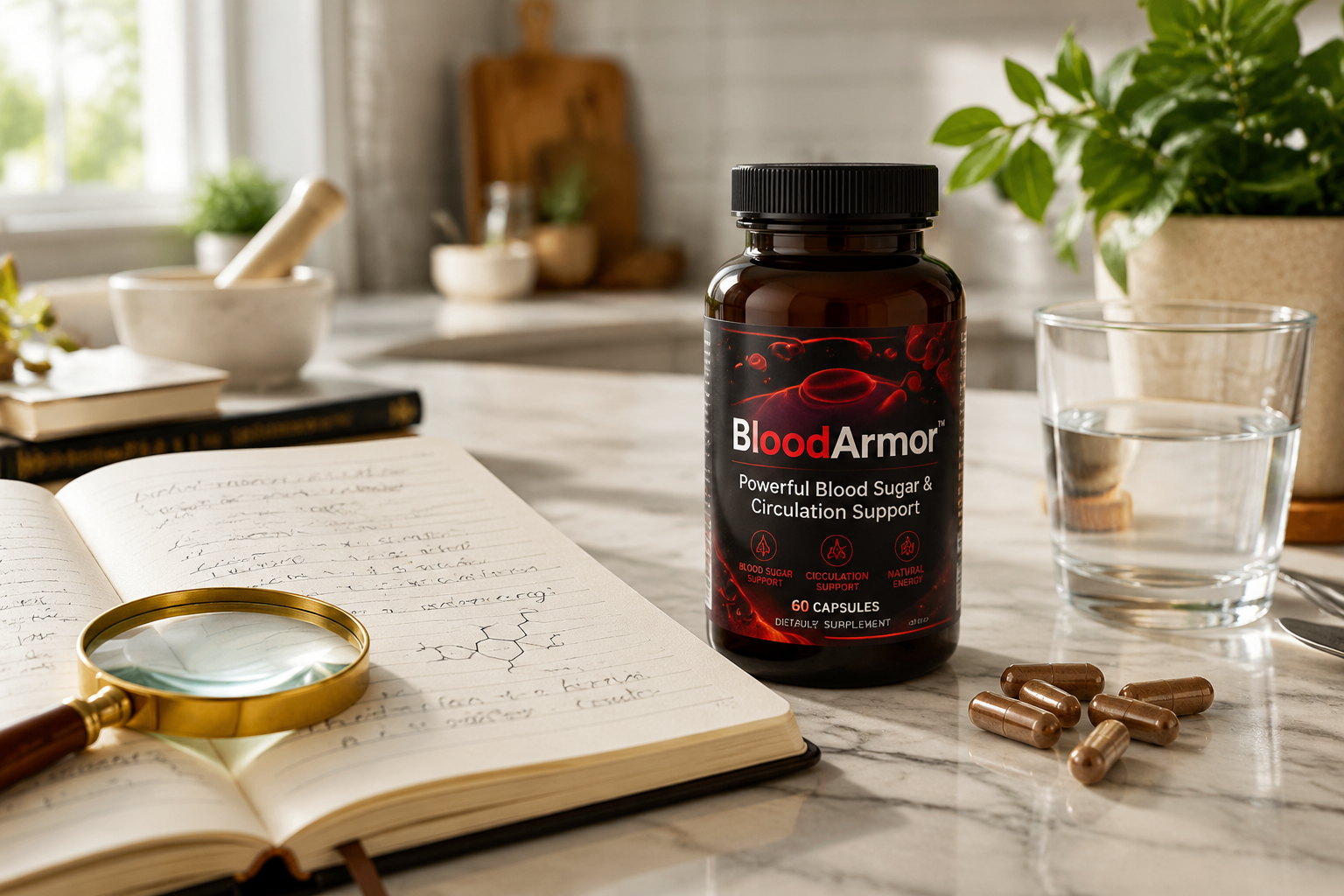
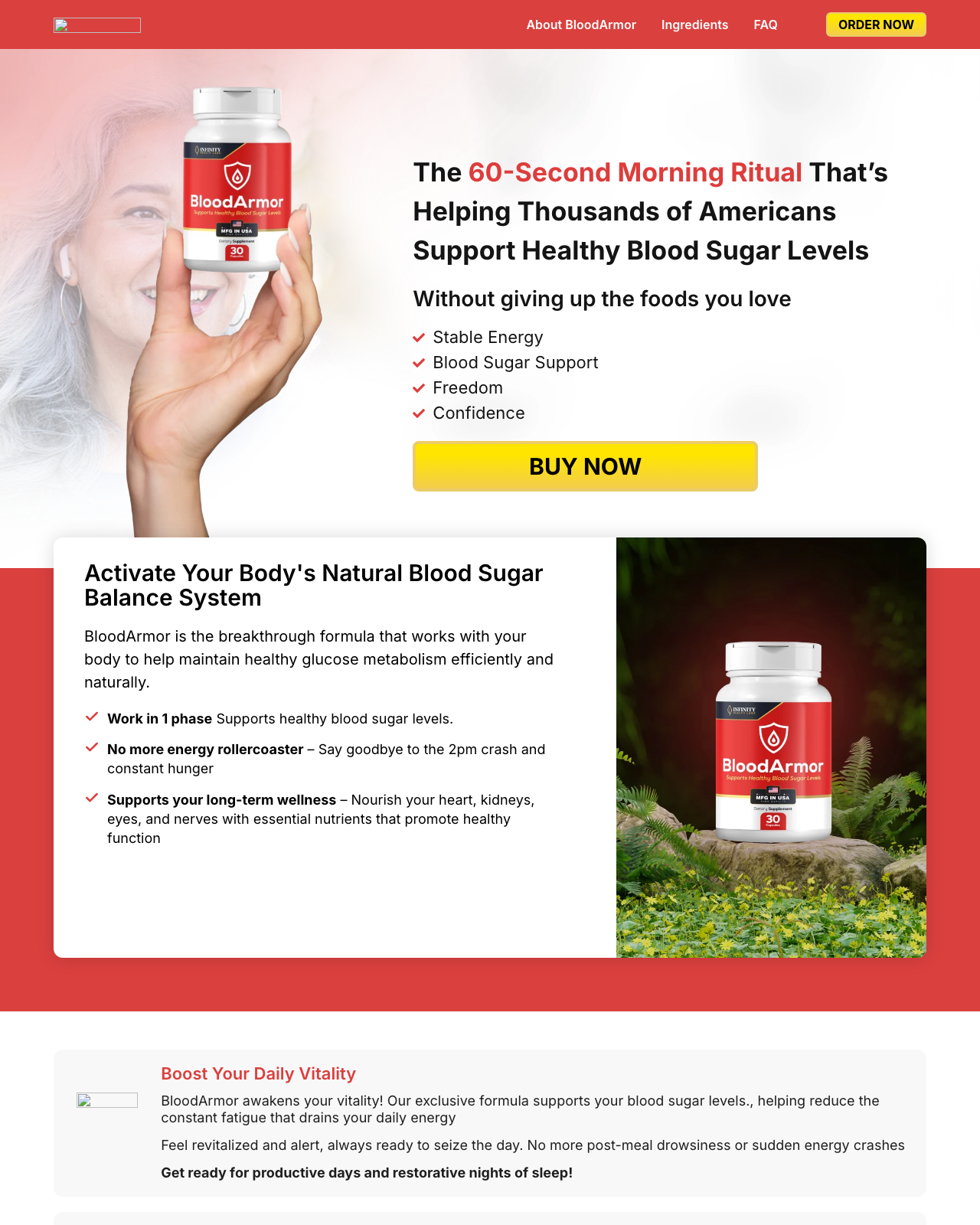
This is the live BloodArmor™ – Powerful Blood Sugar & Circulation Support funnel our verdict is based on. We measure these on-page promises against the evidence, dose math, price, and refund mechanics above — tap the image to see the seller’s current offer and terms.
 Live sales page →
 Here's what I'd actually do
If you opened this at 11 pm and the page made the supplement look like an answer to something larger:
Close this tab. BloodArmor™ – Powerful Blood Sugar & Circulation Support is in the band where the marketing is doing the heavy lifting and the formula is not. There are evidence-based versions of every promise on that sales page, and most of them cost a third of the price with full label transparency.
Don't buy this if: Do not buy this if you have a diagnosed condition that this product is implicitly addressing. See a clinician. A $69 bottle does not replace a $0-with-insurance lab panel.
— Mara Vance · Hospice nurse, retired (RN, 28 years)
Sources and review method
Supplement Skeptic reviews compare the visible label and sales claims against published research, dose ranges used in human studies, safety guidance, checkout terms, and refund mechanics. This page is not medical advice.
- Vendor sales page — ClickBank-listed sales page (active as of catalog import)
Frequently asked questions
- Is BloodArmor a scam?
- Not necessarily a scam — you will likely receive a bottle. But the product is sold on marketing claims and hidden doses, which makes it impossible to assess value. A supplement that hides its formula is not one you should trust.
- What ingredients are in BloodArmor?
- The sales page mentions berberine, cinnamon, and chromium, but does not provide a complete Supplement Facts panel or any doses. Without that information, you have no way to know if the product contains enough of any ingredient to have an effect.
- Does the 60-day refund really work?
- ClickBank's refund policy is generally honored, but it requires you to contact ClickBank directly, not the vendor. Keep your order ID. The vendor's 'ultra-low refunds' claim might mean they contest refunds aggressively, so document everything.
- Can BloodArmor replace my diabetes medication?
- Absolutely not. No over-the-counter supplement should replace prescribed medication without a doctor's supervision. The sales page does not explicitly claim it can, but the framing might mislead. If you have a medical condition, talk to your physician before using any supplement.
More in Dietary Supplements