
Do Weight-Loss Supplements Actually Work?
An evidence-first look at whether weight-loss supplements do anything — what the research shows, which ingredients have data, and how to read the price-per-day before you buy.
The short version
- Most weight-loss supplements produce small effects at best, and only alongside diet changes — not instead of them.
- A few ingredients (caffeine, green tea catechins, fiber) have modest human data; many popular blends hide their doses.
- The single biggest tell is a proprietary blend: if the label won't show the per-ingredient dose, you can't judge it.
- Price-per-day matters more than the bottle price. A $69 bottle that lasts 30 days is $2.30 a day, every day.
- The NIH Office of Dietary Supplements found no single product produces meaningful, lasting loss on its own.
For most people, weight-loss supplements do very little on their own. The research shows small, inconsistent effects from a handful of ingredients, and only when paired with eating changes. No pill produces meaningful, lasting loss by itself.
I spent 28 years as a hospice nurse watching people get sold “metabolism breakthroughs” they could not afford. So I read these labels the way I read a chart: dose first, story second. Here is the honest picture.
What does the research actually show?
The short answer is “not much, and not reliably.” The NIH Office of Dietary Supplements reviewed the major weight-loss ingredients and concluded that the evidence for most is limited, mixed, or based on small studies — and that no product has been shown to produce significant weight loss on its own.
A few ingredients do have some human data. Caffeine and green tea catechins can give a small, short-term bump in energy expenditure. Soluble fiber like glucomannan can support a feeling of fullness, which may help with appetite. But “small” is the operative word. A Mayo Clinic review notes that even the supplements with the most support tend to produce only modest changes, and that diet and activity remain the foundation.
The other problem is consistency. A study that finds a 2-pound difference over 12 weeks often fails to replicate. That is not a conspiracy — it is just what weak effects look like.
Which ingredients have the most support?
If you are going to spend money, these are the ones with at least some published human evidence supporting a supporting role:
- Caffeine — a mild, short-lived increase in energy use and alertness.
- Green tea catechins (EGCG) — small effects on fat metabolism in some trials.
- Soluble fiber (glucomannan, psyllium) — supports satiety, which may reduce intake.
- Protein powder — not exotic, but genuinely useful for preserving muscle and curbing hunger.
Notice what is not on that list: most of the “purple plant,” “rare berry,” and “ancient ritual” branding that dominates the sales pages.
Why proprietary blends are a red flag
Here is the single most useful skill for this category. Flip the bottle to the Supplement Facts panel. If it says “Proprietary Blend, 1,200 mg” and then lists ten ingredients without a dose next to each one, you cannot judge it. The blend might contain a clinically studied dose of one ingredient — or a sprinkle of it behind a pile of cheap filler. You have no way to know.
A formula that shows you the per-ingredient dose is being honest with you. A blend that hides it is asking you to trust the marketing. That difference tells you more than any testimonial.
How to read the real price
Buyers fixate on the bottle price. The number that matters is the price-per-day, because you take these every day for months or they do nothing. A $69 bottle for a 30-day supply is $2.30 a day. Over three months that is roughly $200 — for an ingredient list you could often buy as single, transparently dosed products for a fraction of the cost.
Also check the refund window before you buy, not after. A 60-day money-back policy is meaningful only if it covers opened bottles, so read that line.
So should you buy one at all?
A supplement can play a supporting role — caffeine for energy on a training day, fiber for appetite, protein to protect muscle. None of that is glamorous, and none of it replaces the eating and movement changes that actually drive the result. If a page promises the pill does the work for you, that is the moment to close the tab.
If you want a transparent shortlist, our best weight-loss support roundup ranks the popular bottles on disclosed dosing and price. We looked hard at Java Burn, built on real ingredients wedged into an undisclosed blend, and at Mitolyn, where the botanical story outruns the dosing. LeanBiome at least leans on a disclosed probiotic-and-fiber angle, and ElectroSlim is really an electrolyte mix wearing a weight-loss label. Read the label before you read the sales page.
Reviews referenced in this guide
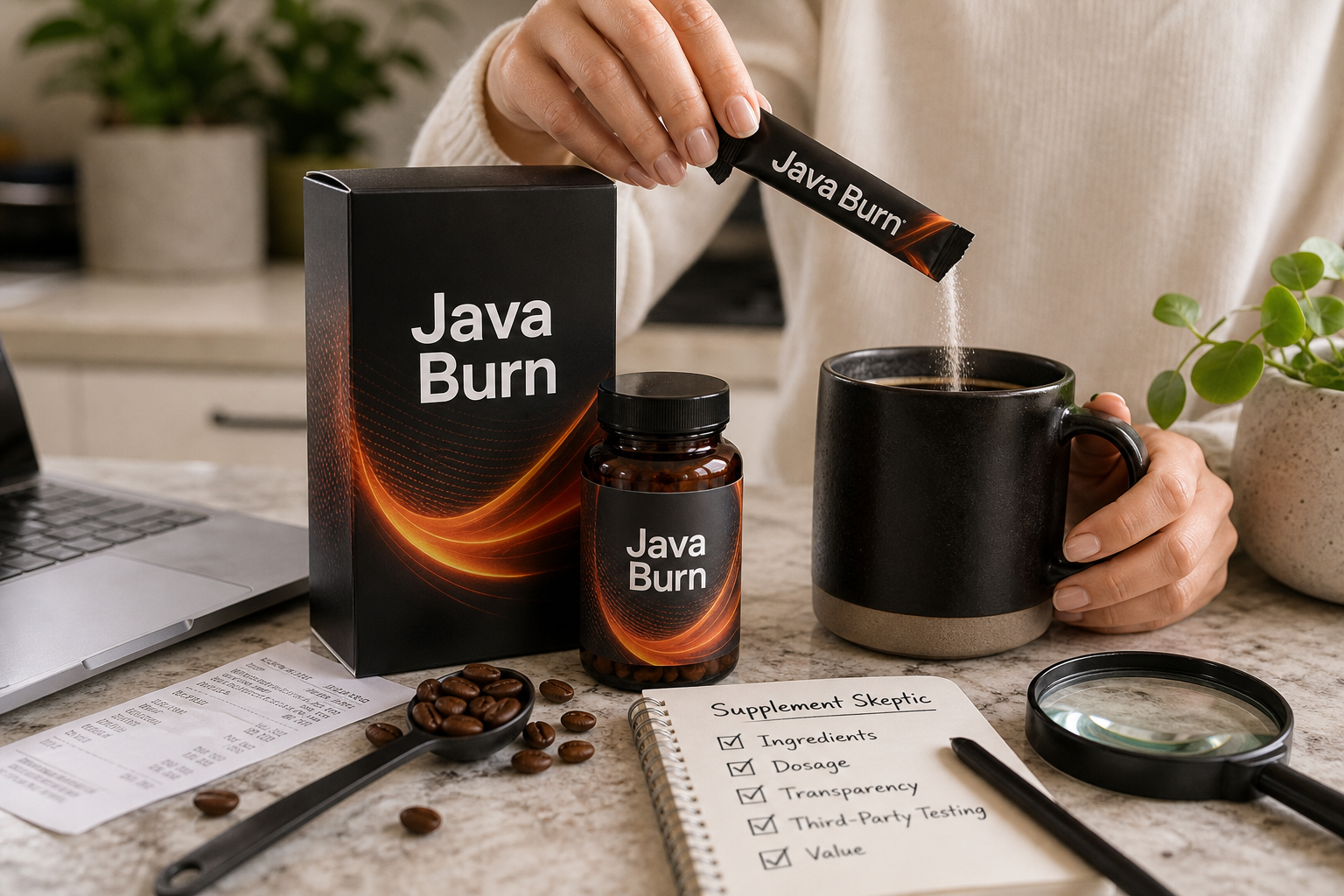
Java Burn
Is Java Burn a scam or does it actually work? Independent review of ingredients, side effects, and dose transparency vs. the price tag.
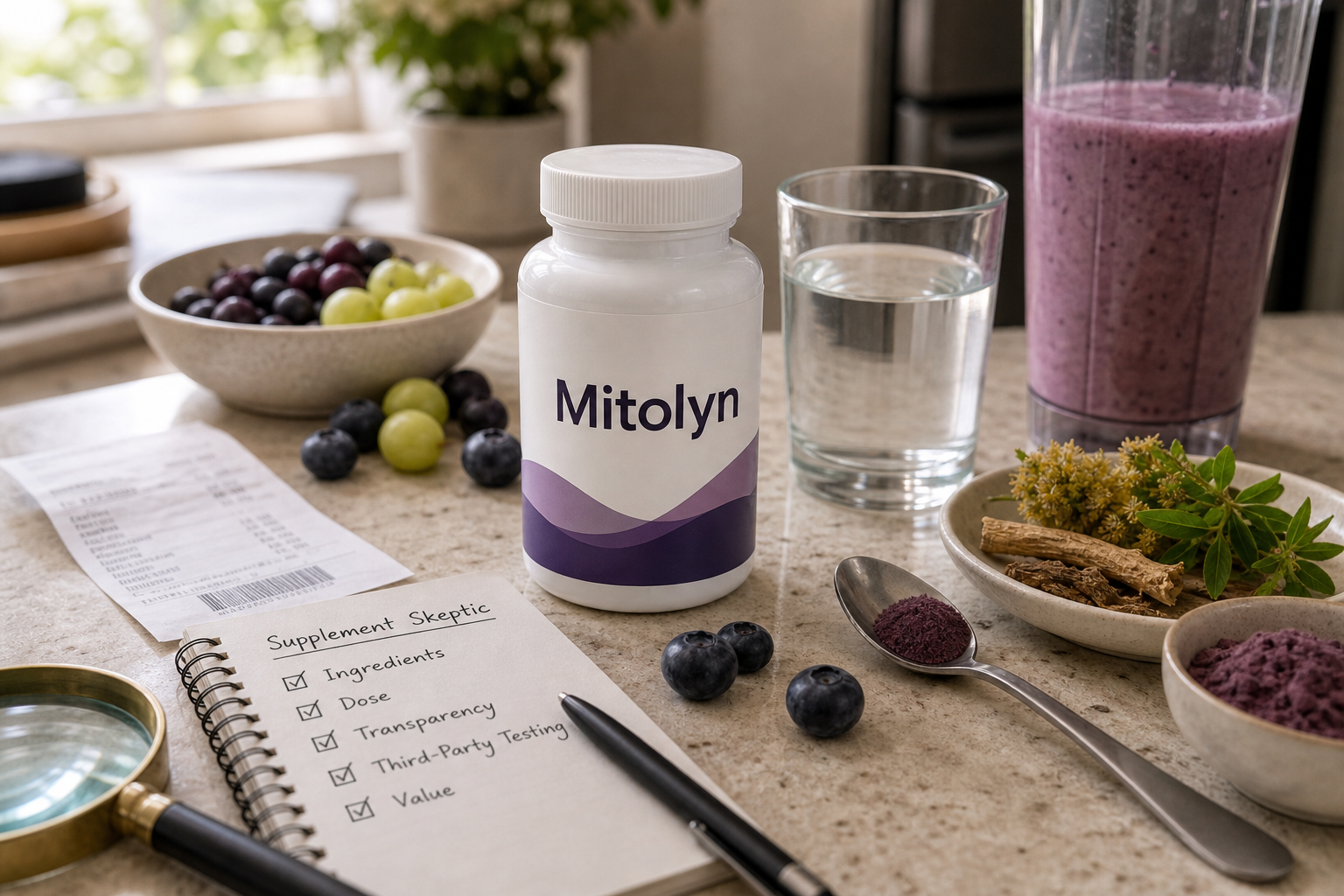
Mitolyn
Mitolyn review: Does the mitochondrial biogenesis claim hold up? We tested the purple plant formula, ingredient doses, side effects, and how it compares to Pura…