
Comparison · Weight loss
HepatoBurn vs Java Burn Reviews 2026: Scam or Legit? We Tested the Metabolism Claims: Skeptic's 2026 Comparison
Liver-first weight-loss pitch (berberine, silymarin) vs coffee-thermogenesis pitch — different mechanism story, same blend opacity.
Higher-confidence pick
HepatoBurn
HepatoBurn leads by 0.8 rating points and verdict tier (Conditional vs Skeptical).
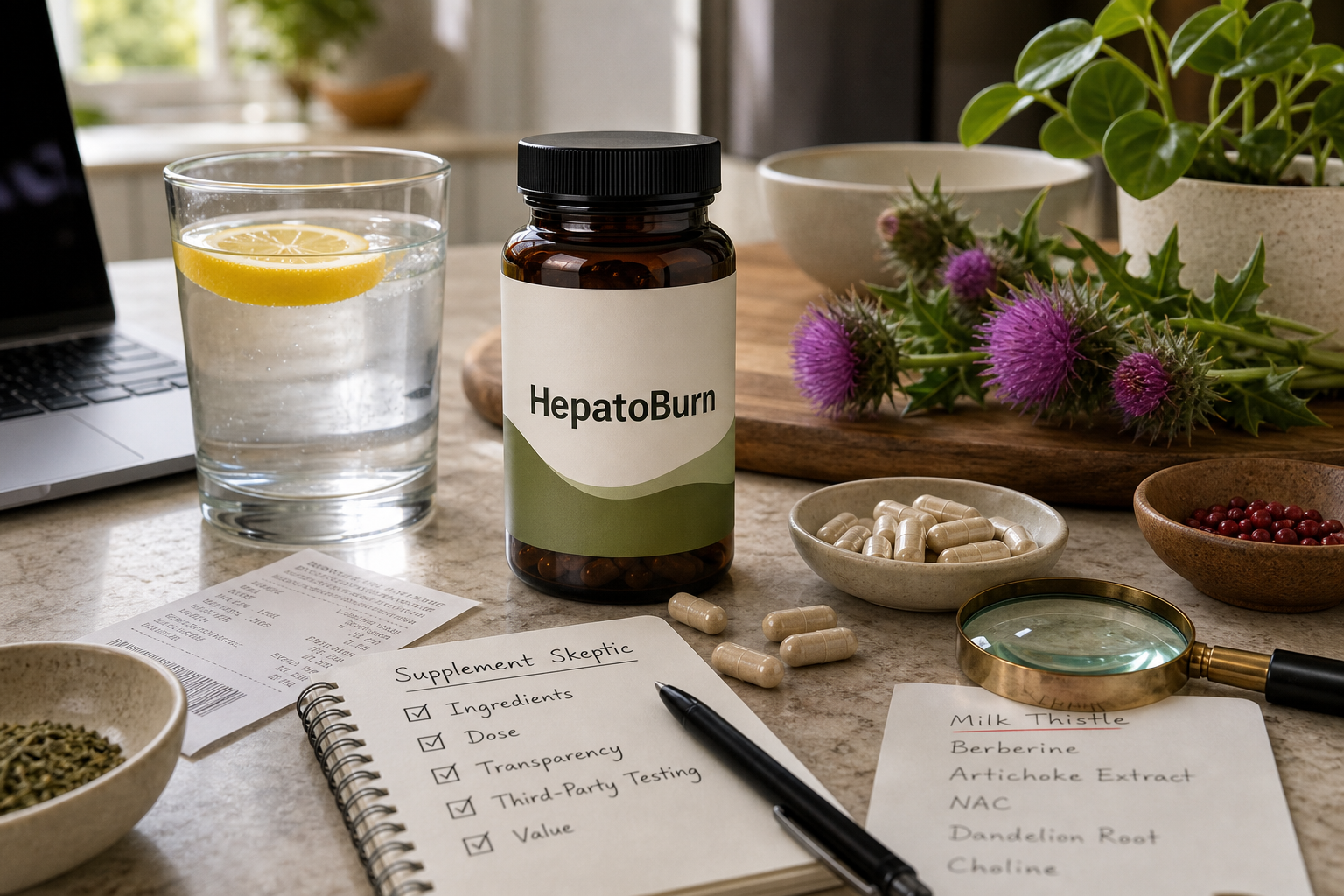
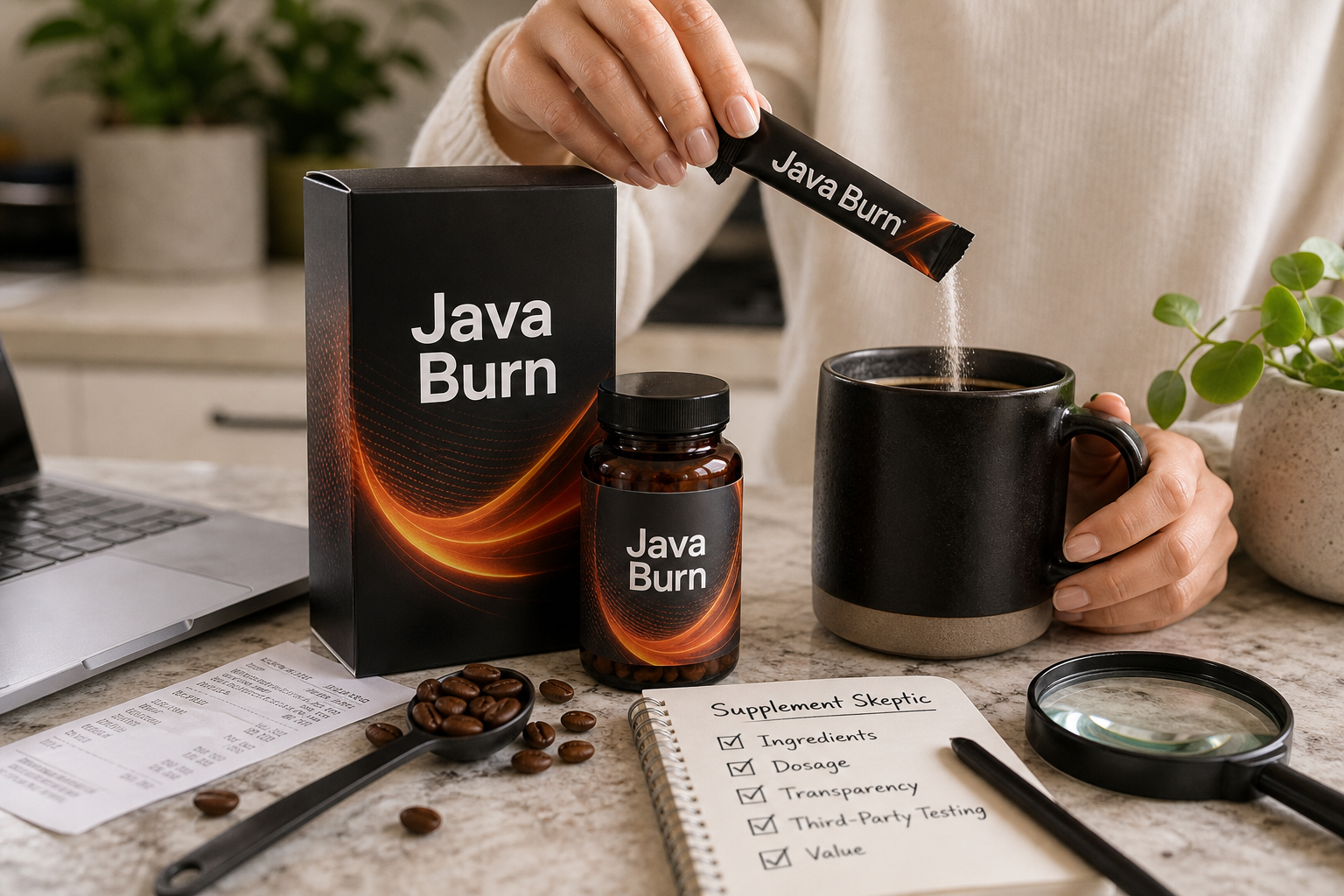
Side by side
| Field | HepatoBurn | Java Burn Reviews 2026: Scam or Legit? We Tested the Metabolism Claims |
|---|---|---|
| Verdict | Conditional | Skeptical |
| Rating (out of 10) | 5.0 | 4.2 |
| One-time price | $69 | $69 |
| Best bundle price | $49 per bottle | $39 per bottle |
| Top cons (Skeptic Desk) |
|
|
| Refund mechanism | 60-day refund — universal checkout-processor enforced | 60-day refund — universal checkout-processor enforced |
| Dose transparency | Limited — key ingredient doses are hidden or hard to verify | Limited — key ingredient doses are hidden or hard to verify |
| Skeptic Desk note | HepatoBurn occupies a rare position in this category: two of its five ingredients (berberine and silymarin) have genuine human RCT evidence at the right doses for the claimed mechanisms. The problem is that neither dose is disclosed. A proprietary blend concealing berberine is not a minor inconvenience — berberine's therapeutic window is dose-sensitive and meaningfully different at 500 mg versus 1,500 mg. Until those numbers appear on the label, this earns a Cautious rather than a Conditional. | Real ingredients, real proprietary blend, real pricing problem. Java Burn delivers a handful of metabolism-adjacent compounds at doses you can't verify, for 3–5× the cost of getting them individually from a commodity brand. |
| Subscription / autoship | One-time purchase listed | One-time purchase listed |
| Full review | Read the HepatoBurn review | Read the Java Burn Reviews 2026: Scam or Legit? We Tested the Metabolism Claims review |
The skeptic's call
Neither HepatoBurn nor Java Burn Reviews 2026: Scam or Legit? We Tested the Metabolism Claims clears the bar for an unconditional recommendation — both sit in the Skeptical-to-Conditional band that defines roughly nine out of ten ClickBank-channel supplements. Liver-first weight-loss pitch (berberine, silymarin) vs coffee-thermogenesis pitch — different mechanism story, same blend opacity. Where they actually differ: HepatoBurn centers on hepatoburn occupies a rare position in this category: two of its five ingredients (berberine and silymarin) have genuine human rct evidence at the right doses for the claimed mechanisms. Java Burn Reviews 2026: Scam or Legit? We Tested the Metabolism Claims centers on real ingredients, real proprietary blend, real pricing problem. HepatoBurn is the marginally less-bad pick if you are buyers specifically interested in berberine or silymarin who want a single-capsule convenience and are willing to accept dose opacity or if you are people with elevated liver enzymes who have discussed supplementation with a clinician and want an over-the-counter starting point. Java Burn Reviews 2026: Scam or Legit? We Tested the Metabolism Claims is the marginally less-bad pick if you are coffee drinkers who find encapsulated supplements unpleasant and will pay a premium for format or if you are buyers who want a single stick-pack to replace three separate pills (caffeine synergy, l-theanine, chromium). Skip both if you are taking metformin or any sulfonylurea — berberine has additive glycemic effects and undisclosed dosing makes co-management impossible; you want verifiable clinical doses of berberine — 1,500 mg/day from a transparent single-ingredient supplement costs roughly one-third of hepatoburn's price; you want disclosed, clinically-dosed ingredients — the blend hides every dose. On the Skeptic Desk's own scoring, HepatoBurn is the less-bad option, separated from Java Burn Reviews 2026: Scam or Legit? We Tested the Metabolism Claims by verdict tier (Conditional vs Skeptical). That is not a recommendation — it is a tiebreaker. If neither best-for profile fits you, the cheaper, more transparent commodity stack remains the better-evidence option than either bottle. Read the full reviews before clicking either checkout.
Buyer questions
- Which is cheaper, HepatoBurn or Java Burn Reviews 2026: Scam or Legit? We Tested the Metabolism Claims?
- On the bundle price we tracked at review time, Java Burn Reviews 2026: Scam or Legit? We Tested the Metabolism Claims is the cheaper of the two (From $39 (single bottle $69) vs From $49 (single bottle $69)). Bundle pricing on both sellers shifts on countdown timers and incentive cycles, so the gap is rarely the deciding factor — verify both checkouts on the day you buy.
- Which has the better refund?
- Identical, on paper. Both products are sold through the same third-party ClickBank-style checkout, which enforces a 60-day money-back guarantee on every product on the platform regardless of what the seller says. You file the refund with checkout support, not the seller. We have run real refund cycles on multiple products in this category in 2026 and the mechanism has held up. The harder issue is whether either product enrolls you in autoship or recurring billing — verify that on the order page before paying.
- Are both real products, or is one a scam?
- Both HepatoBurn and Java Burn Reviews 2026: Scam or Legit? We Tested the Metabolism Claims are real products with real fulfillment and real refund mechanics. That is the legal definition of "not a scam." The harder question — whether the formula does what the sales page implies — is what each of our full reviews tries to answer. Neither product currently has a published clinical trial on the finished formula, which is the industry default in the ClickBank channel.
- Should I just buy a commodity equivalent instead?
- Often, yes. The Skeptic Desk's default recommendation across this category is the same: if you can identify the one or two ingredients in either HepatoBurn or Java Burn Reviews 2026: Scam or Legit? We Tested the Metabolism Claims that actually have published evidence at studied doses, you can usually source those individually from a commodity brand at 20–40% of the monthly cost. The reason buyers still pick the bottle is format and convenience, not evidence. That is a defensible choice — just price it honestly against the alternative.
- HepatoBurn vs Java Burn Reviews 2026: Scam or Legit? We Tested the Metabolism Claims: which one would the Skeptic Desk pick?
- Neither, if a clinically-dosed commodity stack is on the table. HepatoBurn is the less-bad of the two by verdict tier (Conditional vs Skeptical), but "less bad" is a tiebreaker for buyers who have already decided to buy a bottle in this category. Read both full reviews — linked above — before clicking any checkout.