Review · Diets & Weight Loss
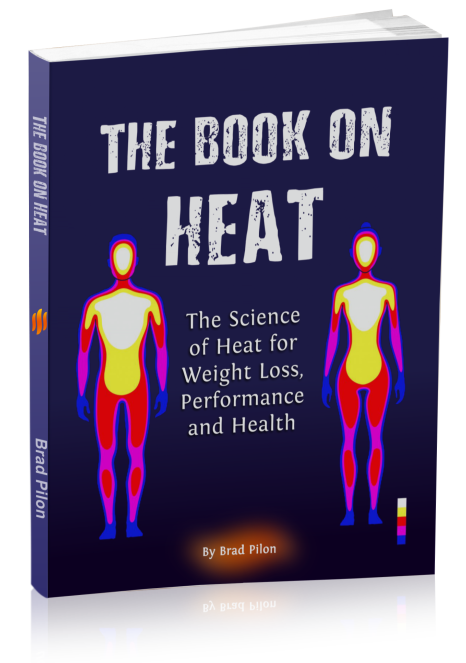
The Book on Heat
A $10 PDF with a hidden recurring charge, sold on promoter hype instead of substance; there's no way to know what's inside before you buy — and almost nobody is buying it.
Skeptic read
Avoid2.5/10
A $10 PDF with a hidden recurring charge, sold on promoter hype instead of substance; there's no way to know what's inside before you buy — and almost nobody is buying it.
- Price checked
- $10
- Dose visibility
- Better than average: key doses are disclosed enough to compare
- Main risk
- The sales page is written entirely for affiliates, not buyers — zero preview of the actual content, just 'great upsells' and 'easy sales'
- Better use case
- No one. There is no buyer profile that benefits from purchasing a completely opaque product with a hidden recurring charge.
- Skip if
- You expect to know what you're buying before you pay.
- Evidence file
- 1 source attached
What The Book on Heat actually is
A $10 digital PDF sold through ClickBank under the Health & Fitness > Diets & Weight Loss category. The vendor nickname is heatbook. The front-end price is low enough to feel like an impulse buy, and the sales page is nothing but affiliate recruitment copy: “Awesome new book quickly proving itself as a sales juggernaut with great upsells. Your Health & Weight loss lists will love it.”
That paragraph is not written for you. It’s written for the affiliate marketer who might send traffic. As a buyer, you get zero preview of the book’s contents, no author name, no table of contents, and no sample chapter. The only verifiable fact is the price tag and the fact that ClickBank will refund you within 60 days if you ask.
What you actually get (as far as we can tell)
The vendor doesn’t list deliverables on the sales page, so we have to infer from the checkout flow common to ClickBank products of this type:
- A main PDF ebook. The title suggests it covers heat-based weight loss methods — saunas, hot baths, thermogenic foods, or maybe just “heating up your metabolism.” No way to know.
- Upsell #1. Usually a video series or an “advanced” guide, priced somewhere between $27 and $47. You’ll see it after you hand over your credit card.
- Upsell #2. Often a community access pass or “coaching” upsell, maybe $19/month. Again, hidden until checkout.
- A recurring subscription. ClickBank’s listing confirms
hasRecurring: true. The vendor doesn’t disclose the billing frequency, amount, or what you’re subscribing to on the front-end page. You’ll find out after you buy. - A 60-day refund window. This is the only deliverable we can confirm with certainty. ClickBank processes refunds, not the vendor, so you can get your money back if the book is fluff.
The marketing is not for you
Read the sales page aloud: “Imagine easy sales with low refunds and happy customers. Seen everything on exercise & nutrition? Hit them with this new one!”
That’s affiliate recruitment copy. It’s telling the affiliate that this product converts well, has low refund rates, and is a fresh angle for their list. It says nothing about what the book contains, whether it’s backed by any research, or who wrote it.
A product that sells itself to affiliates without ever addressing the end buyer is a product that doesn’t have enough substance to stand on its own. The entire pitch is “trust us, it sells.” That’s a massive red flag.
The gravity tells the real story
Gravity on ClickBank is a rough measure of how many unique affiliates sold at least one copy in the prior 12 weeks. A gravity of 0.05 — the number on this product at time of writing — means essentially nobody is selling it. One or two affiliates maybe moved a single unit.
A “sales juggernaut” with a gravity of 0.05 is like a restaurant claiming it’s packed while you’re the only person in the dining room. The claim doesn’t match reality. Low gravity doesn’t always mean a product is bad, but combined with a sales page that ignores buyers entirely, it’s a strong signal that this book hasn’t found an audience because it hasn’t earned one.
The recurring charge you won’t see coming
ClickBank products with hasRecurring: true almost always hide the subscription details behind the initial purchase. You’ll pay $10 for the book, then on the next page you’ll be offered an upsell that includes a free trial or a discounted first month. If you don’t cancel, you’ll be billed again — often at a much higher rate — 7 or 14 days later.
Since the vendor doesn’t disclose the rebill terms on the sales page, you’re buying blind. The $10 front-end price is a foot in the door. The real money is in the backend, and you won’t know the terms until you’re already inside.
If you insist on buying, use a virtual card with a strict spending limit, or be prepared to cancel the subscription immediately after purchase. Better yet, don’t buy at all.
What the “heat” angle usually means
Without seeing the book, we can only go by the title and the category. “Heat” in weight loss marketing typically means one of three things:
- Thermogenic supplements — capsaicin, green tea extract, caffeine. These have a small, temporary effect on metabolic rate, but nothing that moves the needle on body weight without a calorie deficit.
- External heat exposure — sauna suits, hot baths, infrared blankets. You’ll sweat out water weight and maybe get a tiny bump in heart rate, but the scale drop is temporary and the “detox” claims are nonsense.
- “Heating up” your metabolism — a vague metaphor that usually just means eating more protein, exercising, and sleeping better, repackaged with a catchy name.
There’s a chance this book contains legitimate science on heat shock proteins, brown fat activation, or deliberate cold/heat exposure protocols. But a vendor who hides the content and sells to affiliates instead of readers isn’t one who’s confident in the science.
Who should buy, who should skip
Skip this if you value knowing what you’re buying before you pay. Skip it if you don’t want a surprise recurring charge. Skip it if you’re looking for a credible, evidence-based weight loss resource — this isn’t it.
Buy this only if $10 is truly meaningless to you, you’re intensely curious, and you’ll use a virtual card and cancel the rebill within the first hour. Even then, you’re better off spending that $10 on a used copy of a book with a named author and a table of contents you can preview on Amazon.
The honest read
The Book on Heat is a product that exists to be sold by affiliates, not to be read by customers. The sales page ignores you entirely. The content is a black box. The gravity is near zero. And the real cost includes a recurring charge you won’t see until after you’ve handed over your payment details.
I would not buy this.
— Mara Vance
Here's what I'd actually do
If you opened this at 11 pm and the page made the supplement look like an answer to something larger:
Close this tab. The Book on Heat is in the band where the marketing is doing the heavy lifting and the formula is not. There are evidence-based versions of every promise on that sales page, and most of them cost a third of the price with full label transparency.
Don't buy this if: Do not buy this if you have a diagnosed condition that this product is implicitly addressing. See a clinician. A $69 bottle does not replace a $0-with-insurance lab panel.
— Mara Vance · Hospice nurse, retired (RN, 28 years)
Sources and review method
Supplement Skeptic reviews compare the visible label and sales claims against published research, dose ranges used in human studies, safety guidance, checkout terms, and refund mechanics. This page is not medical advice.
- Vendor sales page — ClickBank-listed sales page (active as of catalog import)
Frequently asked questions
- What is The Book on Heat actually about?
- We don't know. The sales page tells affiliates it's a 'new book' for weight loss, but it doesn't show a single page, chapter, or author name. Until the vendor gives buyers a reason to trust the content, assume it's a repackaged collection of generic sauna-and-metabolism tips you can find free on YouTube.
- Is there really a recurring charge?
- Yes. ClickBank lists this product with 'hasRecurring: true'. The front-end is $10, but after you buy, you'll be offered upsells and likely enrolled in a subscription. The vendor hides the details until after checkout — a classic dark pattern.
- Can I get a refund?
- Yes, through ClickBank's 60-day policy. Email their support with your order ID and you'll get your money back. This works even if the vendor ignores you. If you bought it to satisfy curiosity, set a calendar reminder for day 55.
- Why is the gravity so low?
- Gravity measures how many unique affiliates made a sale in the last 12 weeks. A score of 0.05 means at most one or two affiliates sold maybe one copy. The 'sales juggernaut' language on the affiliate page is aspirational, not factual.
More in Diets & Weight Loss