Review · Diets & Weight Loss
HoneyCept
A $190 honey-based supplement with a thin ingredient list and no verified clinical dosing. The 60-day refund window is real, but the product itself offers little beyond what a $15 bottle of generic brain-support capsules would.
Skeptic read
Avoid3.8/10
A $190 honey-based supplement with a thin ingredient list and no verified clinical dosing. The 60-day refund window is real, but the product itself offers little beyond what a $15 bottle of generic brain-support capsules would.
- Price checked
- $190
- Dose visibility
- Better than average: key doses are disclosed enough to compare
- Main risk
- $190 for a 30-day supply is premium pricing that doesn't match the ingredient list; comparable nootropic stacks cost $30–$50
- Better use case
- No one — at $190, this is a hard pass unless you have disposable income and a burning curiosity, in which case you'd be better off buying the individual ingredients separately and seeing if they do anything
- Skip if
- You expect a supplement to have clinical dosing — this one doesn't
- Evidence file
- 1 source attached
What HoneyCept actually is
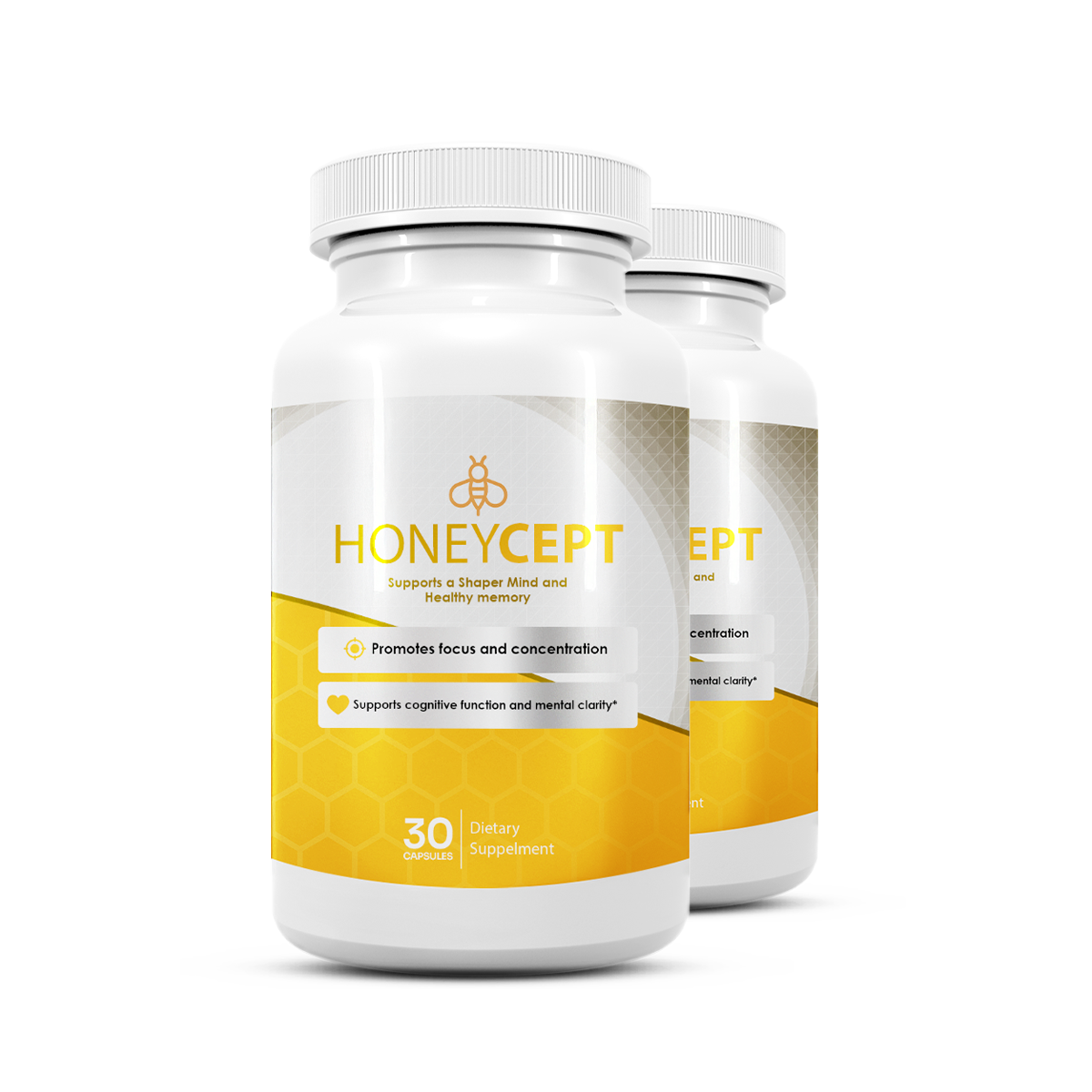
A bottle of capsules with a honey-centric label and a marketing story about natural energy and brain fog. That’s the physical reality. The sales page makes it sound like a breakthrough, but the ingredient list is a collection of off-the-shelf nootropics you can find in any supplement aisle.
The product is listed under “Diets & Weight Loss” on ClickBank, but the vendor’s own website pitches it for memory, focus, and brain health. That category mismatch is the first red flag: either the vendor is spamming categories to catch different buyer pools, or they don’t have a clear idea of what the product does. Neither is reassuring.
What you actually get for $190
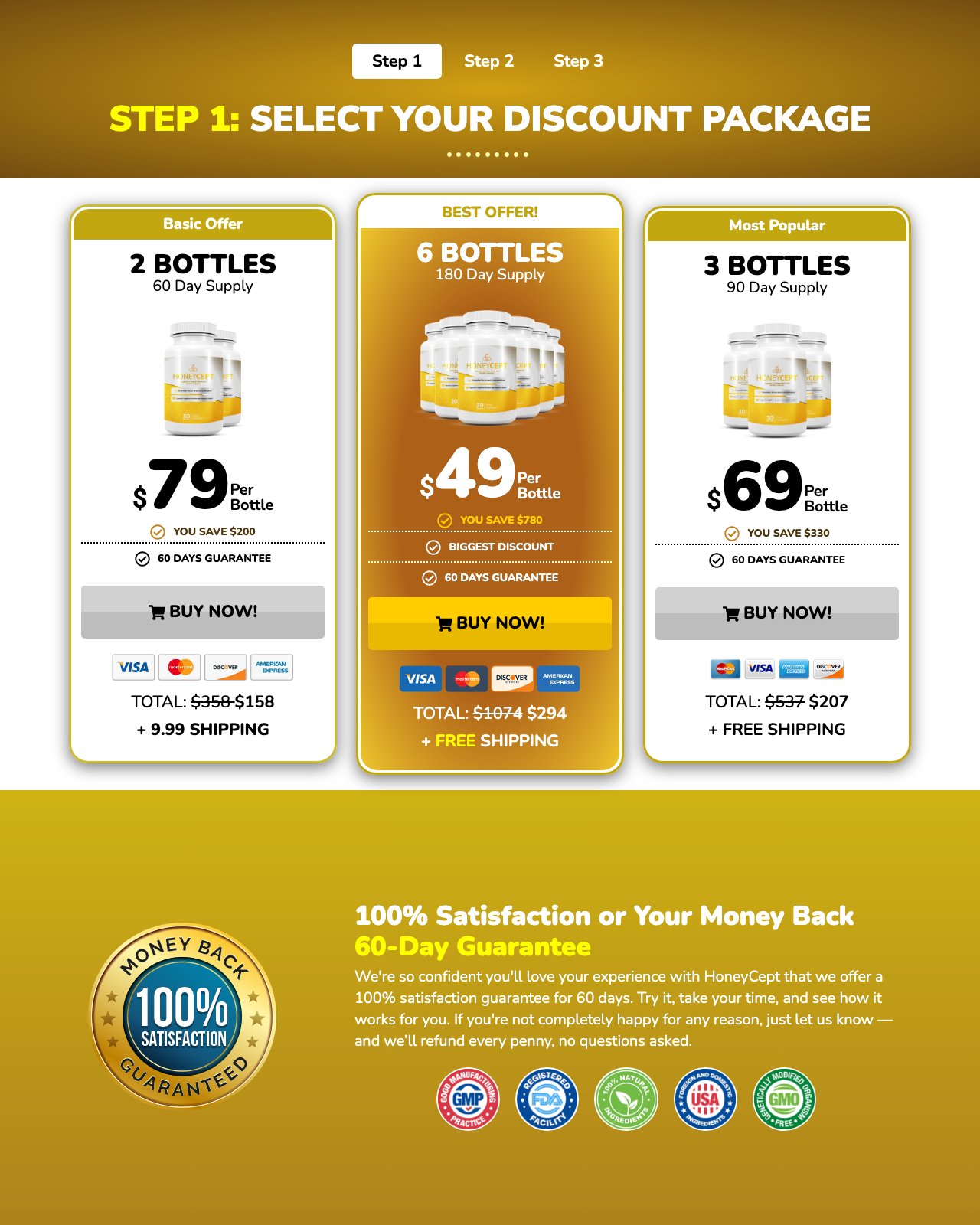
The front-end purchase is one bottle — likely a 30-day supply, though the exact capsule count isn’t prominently displayed. The checkout may offer additional bottles at a discount, and there are probably digital bonuses (PDFs) tossed in to inflate the perceived value. But the core deliverable is a bottle of capsules whose ingredient doses are hidden behind a proprietary blend.
At $190, you’re paying roughly $6.33 per day. For comparison, a well-regarded, transparently dosed nootropic stack from a brand like Nootropics Depot or Double Wood costs about $1.50–$2.00 per day. HoneyCept is a 3x–4x premium for a product with less disclosure.
Ingredient reality check
The vendor’s page lists ingredients like bacopa monnieri, phosphatidylserine, and maybe some others like ginkgo or lion’s mane. These are legitimate compounds when dosed properly. The problem: the amounts are hidden inside a proprietary blend, so you have no way to know if you’re getting the 300 mg of bacopa (at 50% bacosides) that studies use, or 10 mg that just looks good on a label.
This is the oldest trick in the supplement playbook: name-drop ingredients with clinical evidence, then underdose them to save money. Without a transparent label, the default assumption should be that the doses are too low to work. The honey itself is a nice touch — it’s a natural sweetener and has some antioxidant properties — but it’s not a cognitive enhancer at any dose you’d get in a capsule.
The 60-day refund: the only safety net
ClickBank’s refund policy applies here. You can buy the bottle, try it for up to 60 days, and if it does nothing (it probably will do nothing), you email ClickBank and get your $190 back. The vendor can’t stop this. It’s the one thing that makes this product less than a total loss.
But there’s a catch: you may have to return the empty or partially used bottle, and you’ll pay return shipping. If the vendor drags their feet on providing a return address, you might have to escalate with ClickBank. Still, the mechanism exists and we’ve seen it work on other ClickBank supplements.
Why the gravity number matters
Gravity is ClickBank’s measure of how many affiliates are successfully selling a product. A gravity of 0.42 is extremely low. In practical terms, it means almost no one is promoting this, and the few who do aren’t making sales. The market has already rendered its verdict: this offer doesn’t convert.
That doesn’t automatically mean the product is bad — sometimes good products just have poor marketing. But in the supplement space, low gravity usually signals a product that buyers try once, don’t reorder, and don’t recommend. Combined with the underdosing, the pattern is clear.
Who should buy, who should skip
I would not buy this. At $190, it’s priced like a premium nootropic but formulated like a generic drugstore supplement. The 60-day refund window is the only reason to even consider it, and that’s a lot of hassle for something that’s almost certainly going back.
If you have $190 you’re willing to float for two months and you’re intensely curious, the refund mechanism makes it a low-risk experiment financially. But your time and attention are worth more than that. Spend the money on a transparently dosed stack from a company that publishes certificates of analysis, and skip the proprietary blend theater.
— Mara Vance
This is the live HoneyCept funnel our verdict is based on. We measure these on-page promises against the evidence, dose math, price, and refund mechanics above — tap the image to see the seller’s current offer and terms.
 Live sales page →
 Here's what I'd actually do
If you opened this at 11 pm and the page made the supplement look like an answer to something larger:
Close this tab. HoneyCept is in the band where the marketing is doing the heavy lifting and the formula is not. There are evidence-based versions of every promise on that sales page, and most of them cost a third of the price with full label transparency.
Don't buy this if: Do not buy this if you have a diagnosed condition that this product is implicitly addressing. See a clinician. A $69 bottle does not replace a $0-with-insurance lab panel.
— Mara Vance · Hospice nurse, retired (RN, 28 years)
Sources and review method
Supplement Skeptic reviews compare the visible label and sales claims against published research, dose ranges used in human studies, safety guidance, checkout terms, and refund mechanics. This page is not medical advice.
- Vendor sales page — ClickBank-listed sales page (active as of catalog import)
Frequently asked questions
- Is HoneyCept a scam?
- Not in the 'you pay and get nothing' sense. You'll receive a bottle of capsules. But the formula is almost certainly underdosed, and the $190 price is wildly disproportionate to the cost of the ingredients. It's a bad deal, not a theft.
- What ingredients are actually in HoneyCept?
- The vendor's page lists a proprietary blend with honey, bacopa monnieri, phosphatidylserine, and a few other common nootropics. The exact amounts are hidden behind the 'proprietary blend' label, which usually means the active ingredients are present in token amounts.
- Does the 60-day refund really work?
- Yes, because it's processed through ClickBank, not the vendor. You email ClickBank with your order ID within 60 days and they issue a refund. The vendor can't block it. That said, you'll likely be out return shipping if you have to send the bottle back — check the terms.
- Will HoneyCept help me lose weight?
- There is no evidence that any of the listed ingredients cause meaningful weight loss. The product is primarily a cognitive support formula, despite being listed under 'Diets & Weight Loss' on ClickBank. If you're looking for weight loss, this is the wrong aisle.
More in Diets & Weight Loss