Review · Diets & Weight Loss
BellyFlush™ | Gut Cleanse & Digestive Detox | Lose Weight
A detox supplement with no public ingredient list, priced at $82 for a 30-day supply. The refund window exists, but returning physical bottles is a built-in hassle that makes 'risk-free' a stretch.
Skeptic read
Skeptical3.2/10
A detox supplement with no public ingredient list, priced at $82 for a 30-day supply. The refund window exists, but returning physical bottles is a built-in hassle that makes 'risk-free' a stretch.
- Price checked
- $82
- Dose visibility
- Better than average: key doses are disclosed enough to compare
- Main risk
- No ingredient list is disclosed on the sales page — you are buying a capsule you cannot vet
- Better use case
- No one — this is a textbook detox product with no disclosed evidence. If you still want to test it, do so inside the refund window with a clear plan to return unopened bottles if the ingredient label disappoints.
- Skip if
- You expect a pill to replace diet and exercise for weight loss
- Evidence file
- 1 source attached
What BellyFlush is, in one sentence.
A gut-cleanse supplement sold through ClickBank at $82 per bottle, with no publicly listed ingredients and a marketing page that leans harder on affiliate commissions than on what is actually inside the capsules.
The product is positioned in the Diets & Weight Loss subcategory, which means the vendor wants you to associate it with fat loss. The sales language mentions bloating, digestion, regularity, and weight-loss benefits. None of that is backed by a visible label or a clinical reference — and for a supplement, the label is the only thing that matters.
What you actually get
Based on the sales page and standard funnel structure for this category, here is what lands after checkout:
- One bottle of BellyFlush capsules. The vendor describes a 30-day supply. Without an ingredient panel, you do not know whether you are getting fiber, herbal laxatives, probiotics, or a blend of all three. The bottle could contain something as benign as psyllium husk or as aggressive as senna and cascara. That range matters because chronic laxative use carries real risks, including electrolyte imbalances and bowel dependence.
- A bonus digital diet guide. The sales page hints at a PDF or meal-plan download. These are typically repurposed public-domain nutrition tips with the product name stamped on the cover. If it turns out to be a low-carb or elimination-diet guide, it may help some people temporarily — but the same information is available free from a dozen reputable sources.
- Access to a private member’s area. Often promised as a value-add; in practice, this is usually a locked page with a few recipe PDFs and upsell offers. We could not verify the contents without purchasing, and the vendor does not preview it.
- An email upsell sequence. Standard for ClickBank offers. After the initial $82 purchase, expect offers for a “detox tea,” a “probiotic booster,” or a “maintenance cleanse” at additional cost. None of these are required, but the funnel is built to extract more revenue per buyer.
The ingredient problem
A supplement sales page that does not list ingredients is doing something specific: it is hiding the one piece of information that would let you decide rationally. You cannot check doses against clinical literature. You cannot screen for allergens, interactions, or contraindications. You cannot compare it to anything you already take.
In the David’s Shield review, we could point to specific chapters and say which one was worth the money. Here, we cannot point to anything because the vendor chooses opacity. That is not an oversight — it is a conversion tactic. When the ingredient list is hidden, the sale runs on testimonials and fear-of-bloating stories instead of data.
If you buy this product, the first thing you should do is read the label on the bottle. If it contains stimulant laxatives (senna, cascara sagrada, aloe latex), understand that the “weight loss” you see in the first week is water and stool, not fat, and that prolonged use can damage the colon. If it contains only fiber and probiotics, you overpaid by roughly $60 compared to a drugstore alternative.
How the marketing oversells
The BellyFlush sales page uses language that is common to the category but misleading on close inspection:
- “Top-performing trending gut cleanse and detox formula.” This is marketing copy, not a clinical claim. “Top-performing” is undefined. “Trending” means it is selling, not that it is working.
- “Helps reduce bloating, support digestion, and restore regularity with additional weight-loss benefits.” These are three separate promises. Bloating can be reduced by avoiding gas-producing foods. Digestion is supported by enzymes and gut motility. Regularity is a bowel-habit claim. None of them require an $82 proprietary blend, and the phrase “additional weight-loss benefits” is a classic way to imply fat loss without promising it.
- The affiliate recruitment language. The sales page includes lines like “MASSIVE 75% commissions for our affiliates, with average EPCs of $1.60+.” That is a signal to affiliates, not to buyers. It tells you the funnel converts well enough to keep traffic flowing. It does not tell you the product is effective. When a vendor spends page space recruiting affiliates instead of listing ingredients, the priority is clear.
What it costs and how the refund works
$82 one-time at the front-end checkout. No recurring billing surfaced on the order form as of the last update. However, physical-supplement offers on ClickBank often have an auto-ship option hidden behind a pre-checked box or a second-step offer. Watch the cart carefully before submitting.
ClickBank’s 60-day refund policy applies, but it is not the same as a “try it and return it” guarantee for physical goods. The vendor can require that you return unopened bottles in resalable condition, and you typically pay return shipping. That means if you open the bottle, take one capsule, and decide you do not trust the ingredient list, you may not get your money back. The refund window is real, but it is designed to protect the vendor against opened-product returns, not to let you test the product risk-free.
Read the refund terms on the order page before you click “buy.” If the terms are not posted, contact ClickBank support and ask for the vendor’s return policy in writing. If the vendor will not provide it, treat that as a signal.
Who should buy, who should skip
There is no buyer profile for whom this product is the best available option. If you are determined to try it anyway, do it inside the refund window, do not open the bottle until you have read the label, and set a calendar reminder for day 55 to request a return if the ingredient list disappoints.
Skip this if you expect a pill to replace the work of dietary change. Skip it if you want to know what you are swallowing before you pay. Skip it if $82 is meaningful money — that amount buys a month of fresh vegetables, a high-quality probiotic, or a consultation with a registered dietitian, all of which have better evidence behind them than a hidden-label detox.
The honest read
BellyFlush is a category play: a supplement in a high-demand niche (gut health, weight loss) sold through an affiliate funnel that prioritizes commissions over transparency. The lack of an ingredient list on the sales page is not a minor omission — it is the central fact you need to make a decision, and it is missing on purpose.
If the vendor ever publishes the label and the formula contains ingredients at clinically relevant doses, we will update this review. Until then, what you are buying is a promise wrapped in a capsule, sold at a price that exceeds any plausible benefit.
— Mara Vance
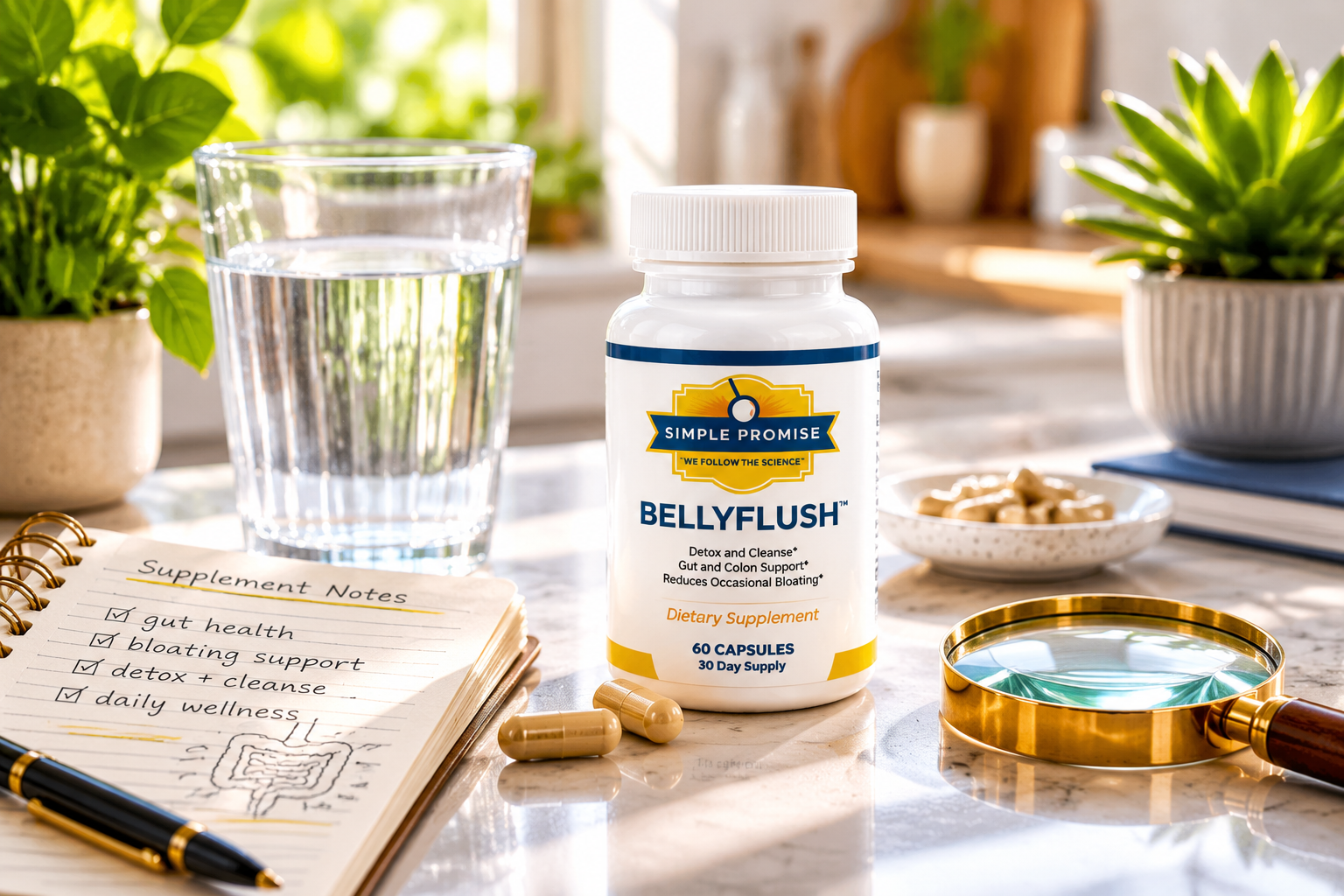
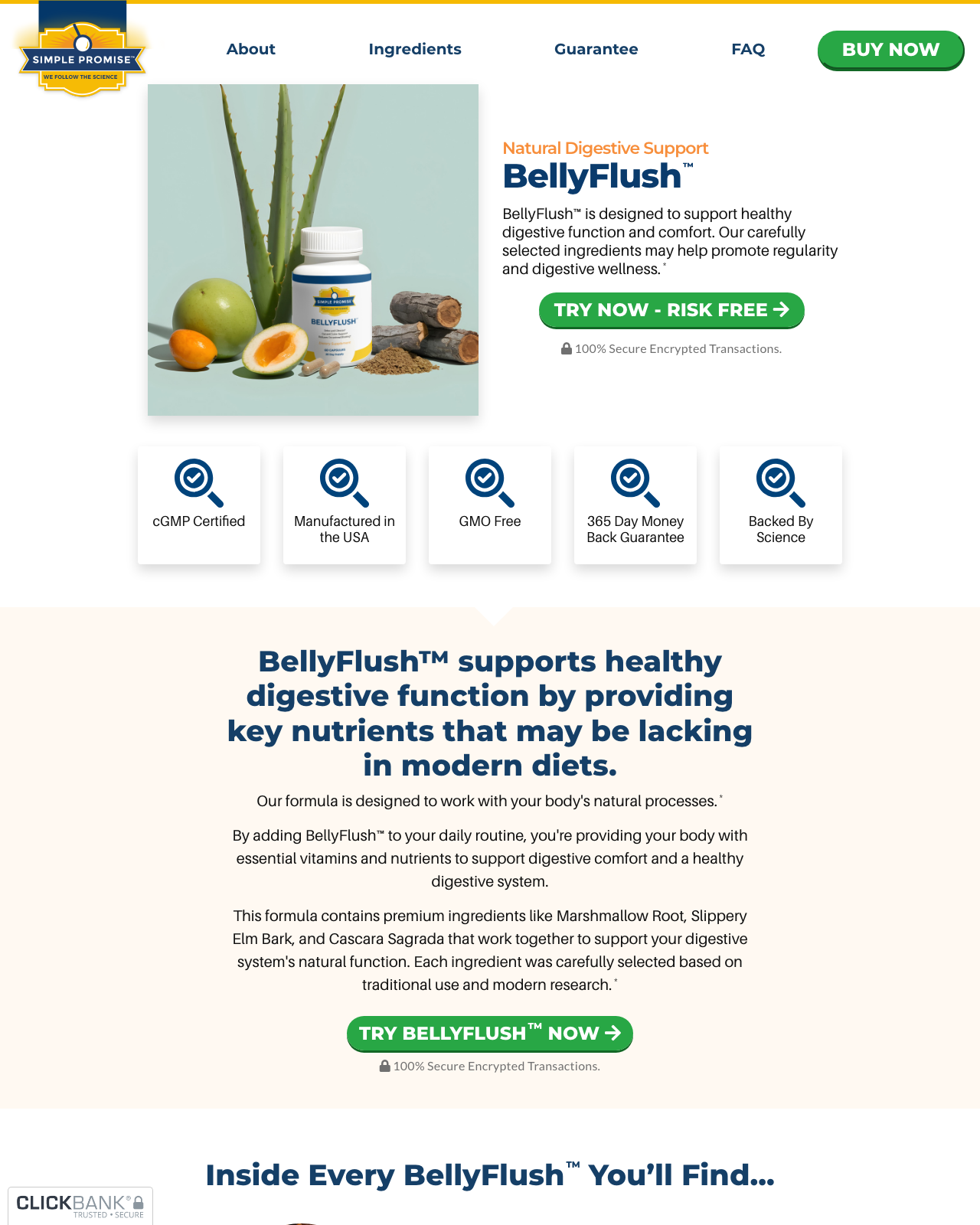
This is the live BellyFlush™ | Gut Cleanse & Digestive Detox | Lose Weight funnel our verdict is based on. We measure these on-page promises against the evidence, dose math, price, and refund mechanics above — tap the image to see the seller’s current offer and terms.
 Live sales page →
 Here's what I'd actually do
If you opened this at 11 pm and the page made the supplement look like an answer to something larger:
Close this tab. BellyFlush™ | Gut Cleanse & Digestive Detox | Lose Weight is in the band where the marketing is doing the heavy lifting and the formula is not. There are evidence-based versions of every promise on that sales page, and most of them cost a third of the price with full label transparency.
Don't buy this if: Do not buy this if you have a diagnosed condition that this product is implicitly addressing. See a clinician. A $69 bottle does not replace a $0-with-insurance lab panel.
— Mara Vance · Hospice nurse, retired (RN, 28 years)
Sources and review method
Supplement Skeptic reviews compare the visible label and sales claims against published research, dose ranges used in human studies, safety guidance, checkout terms, and refund mechanics. This page is not medical advice.
- Vendor sales page — ClickBank-listed sales page (active as of catalog import)
Frequently asked questions
- What are the ingredients in BellyFlush?
- The vendor does not list them on the sales page. Without a label, there is no way to verify doses, safety, or whether the formula contains anything beyond common fiber or laxative herbs. This alone is a reason to pause.
- Does BellyFlush actually help with weight loss?
- The vendor claims it supports weight loss, but without disclosed ingredients or clinical studies, there is no evidence. Gut cleanses typically cause temporary water-weight shifts, not fat loss. If the product contains stimulant laxatives, any rapid drop on the scale is dehydration, not body recomposition.
- Can I get a refund if it doesn't work?
- ClickBank offers a 60-day refund window, but for physical supplements the vendor may require you to return unopened bottles at your own shipping cost. That means you cannot 'try it' and then return opened product. Read the refund terms on the order page before you buy — the fine print matters more than the headline guarantee.
- Is BellyFlush a scam?
- Not in the sense of taking your money and sending nothing. You will receive a bottle. But selling a supplement with hidden ingredients and making unsubstantiated health claims is a red flag. It is a product that relies on marketing over medicine, and the affiliate payout structure incentivizes promotion, not transparency.
More in Diets & Weight Loss