
Buyer-protection check · Other Supplements
Is CogniSurge a scam? An honest, evidence-first answer.
Short answer: CogniSurge is not, in the strict legal sense, a scam — but the marketing leans much harder than the evidence does, and that's the gap most "is it a scam" searches are actually trying to close.
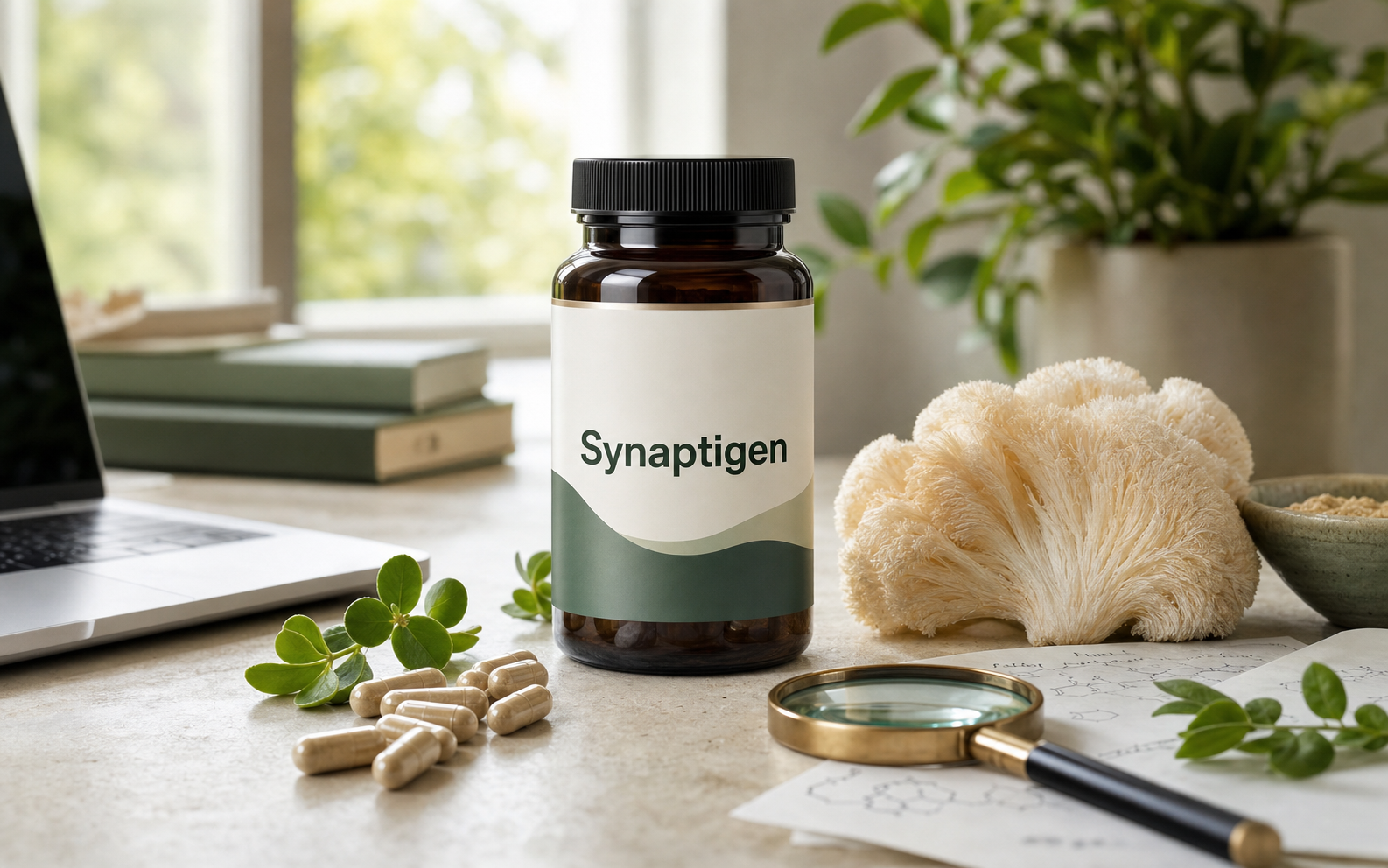
Quick read
Read the evidence first
CogniSurge is a real product. Real ingredients, real bottle, real fulfillment. Where it pulls toward the "scam" end of the spectrum is in the gap between what the sales page implies and what the formula can plausibly deliver — and in the upsell path inside the checkout.
Read full evidence review- Fulfillment
- Real product CogniSurge is not flagged as a no-ship offer in our review file.
- Refund path
- 60 days Processor-backed refund route; use the receipt contact, not the brand page.
- Autoship
- Not visible One-time purchase posture at review time.
- Main note
- Read review Proprietary blend hides individual ingredient doses — you cannot verify if any of the actives are at clinically meaningful levels
What $130 actually buys you in refund protection
CogniSurge is sold through the ClickBank third-party checkout, so it carries the one mechanic that decides the whole "is this a scam" question: a 60-day money-back guarantee the payment processor enforces, not the seller. The processor sits between your card and the brand; ask in writing inside 60 days and it issues the refund and claws the money back from the vendor. The brand gets no vote. The specifics of how much that protects, though, depend on what you're paying and how you're billed — and for CogniSurge, that's where it gets product-specific.
You're floating $130 for up to two months. With no autoship surfaced on CogniSurge, that figure is the entire amount at stake — request the refund and the exposure goes to zero.
Since our read on CogniSurge is skeptical, assume you may well use that refund. The processor guarantee is the only reason a purchase here isn't simply overpaying — so know the receipt-based refund route before you click buy, not after.
CogniSurge listed at review time as a one-time purchase. No autoship language was visible on the bundle pages we checked, which removes one of the more common scam-search triggers in this category.
Why CogniSurge shows up in scam searches in the first place
Health-and-fitness ClickBank launches lean on a particular emotional hook: you've already tried the obvious thing, and it didn't work, so here's the thing nobody told you. That framing is not, in itself, a scam signal — but it pairs with proprietary blends and recurring billing often enough to be worth flagging.
CogniSurge sits in the Dietary Supplements segment of the Health & Fitness catalog, and the one-line description we keep on file is: CogniSurge is a memory supplement sold through ClickBank. We read the sales page so you don't have to: the ingredient list is a black box, the price is high, and the clinical support is thin. The full review goes deeper, but that line is usually enough to explain why the search query exists.
Our one-paragraph read on CogniSurge
A proprietary blend with no disclosed doses, a $130 price tag, and marketing that oversells the science. The refund window exists, but you're gambling on a bottle of hope.
Who CogniSurge actually fits — and who it doesn't
"Scam or not" is the wrong question for most buyers. The useful question is whether CogniSurge matches your situation, because the same bottle is a reasonable gamble for one person and a waste of $130 for the next. Here's how we'd sort it.
Defensible for
- Buyers who are curious about nootropic blends and can afford to lose $130 on a gamble — and who will document the refund process if it doesn't work
- People who have already tried standalone bacopa or lion's mane and want to see if a proprietary mix feels different, understanding the dose is unknown
Skip it if
- You expect evidence-backed, transparently dosed supplements — CogniSurge's label won't satisfy that
- You're on a budget; $130 buys months of standalone Bacopa and Lion's Mane from brands that actually show you the milligrams
- You're managing a diagnosed cognitive condition — this is not medicine, and the marketing shouldn't be mistaken for a treatment plan
Specific red flags from our CogniSurge teardown
None of these are, individually, proof of fraud. Together they're the texture of a sales page that's working harder than the formula behind it.
- Proprietary blend hides individual ingredient doses — you cannot verify if any of the actives are at clinically meaningful levels
- At $130 per bottle, you're paying premium-nootropic prices for a formula that could be mostly rice flour and a dusting of bacopa
- No published human trial on the CogniSurge formula itself; the marketing leans on general ingredient studies, not product-specific evidence
- The 'glycocalyx' framing is a red flag — it's a real biological structure, but using it as a cognitive-decline master switch oversimplifies decades of neurology
- ClickBank supplement refunds often hinge on returning the physical bottle; if you've opened it, the vendor may push back, and the guarantee language is vague on this point
Here's what I'd actually do
If you opened this at 11 pm and the page made the supplement look like an answer to something larger:
Close this tab. CogniSurge – 2025 Advanced Memory Supplement Driving High EPC is in the band where the marketing is doing the heavy lifting and the formula is not. There are evidence-based versions of every promise on that sales page, and most of them cost a third of the price with full label transparency.
Don't buy this if: Do not buy this if you have a diagnosed condition that this product is implicitly addressing. See a clinician. A $69 bottle does not replace a $0-with-insurance lab panel.
— Mara Vance · Hospice nurse, retired (RN, 28 years)
What to do next
The full evidence review of CogniSurge — ingredient-by-ingredient dose analysis, marketing teardown, price-per-clinical-dose math, and our complete verdict — lives on the review page. Read that before you decide whether to buy.
Frequently asked questions about CogniSurge
- Has anyone actually been scammed by CogniSurge?
- We have not seen credible evidence that CogniSurge buyers fail to receive product. The complaints we have seen — and they exist — cluster around two things: (1) the bottle didn't deliver the result the sales page implied, which is a marketing problem, not theft; and (2) the refund process required emailing the third-party checkout processor rather than the seller, which catches buyers who didn't read the receipt. Both are normal in this category.
- How do I get a refund if CogniSurge doesn't work?
- CogniSurge is sold through ClickBank's third-party checkout, which enforces a 60-day money-back guarantee on every product on its network — regardless of what the seller's sales page or autoship language says. You request the refund from the checkout processor (the contact info is on your purchase receipt), not from the brand itself. The processor will issue the refund and pull the money back from the seller. This single mechanic is the strongest consumer protection on the platform, and it is independent of how good or bad CogniSurge's formula is.
- Is the company behind CogniSurge real?
- Yes — CogniSurge ships from a real fulfillment operation through a regulated US payment processor, which is a basic eligibility requirement for the ClickBank channel. "Real company" and "honest marketing" are not the same thing, though. Our full review of CogniSurge digs into the specific claims on the sales page, who is and isn't named, and which testimonials and "doctor endorsements" hold up to a reverse image search.
- What are the actual red flags on the CogniSurge sales page?
- From our teardown: (1) Proprietary blend hides individual ingredient doses — you cannot verify if any of the actives are at clinically meaningful levels; (2) At $130 per bottle, you're paying premium-nootropic prices for a formula that could be mostly rice flour and a dusting of bacopa; (3) No published human trial on the CogniSurge formula itself; the marketing leans on general ingredient studies, not product-specific evidence; (4) The 'glycocalyx' framing is a red flag — it's a real biological structure, but using it as a cognitive-decline master switch oversimplifies decades of neurology; (5) ClickBank supplement refunds often hinge on returning the physical bottle; if you've opened it, the vendor may push back, and the guarantee language is vague on this point. None of these on their own prove fraud — but together they tell you what the formula and the marketing are really doing.
- Should I just buy CogniSurge or is there a safer option?
- We'd push you to read the full review before buying. CogniSurge isn't a fraud, but the price-per-dose math and the marketing rhetoric both pull in the wrong direction. There's almost always a commodity-brand alternative for less money and more dose transparency. The full evidence review is at /supplements/cognisurge-2025-advanced-memory-supplement-driving-high-epc/.
This page answers the "is it a scam" question. Our full evidence review of CogniSurge is at /supplements/cognisurge-2025-advanced-memory-supplement-driving-high-epc/. Last updated .