
What Is a Clinically Effective Dose (and Why Most Supplements Underdose)
A clinical explainer on what a clinically effective dose means, why so many supplements underdose their hero ingredients, and how to check a label against the trial dose.
The short version
- A clinically effective dose is the amount used in the human studies that showed an effect — not whatever fits in one capsule.
- Many supplements list an impressive ingredient, then include a fraction of the studied dose. This is called fairy dusting.
- Proprietary blends are the most common way to hide an underdose, because the per-ingredient amount is never shown.
- Per-serving dose matters more than total bottle size or the length of the ingredient list.
- If a label won't let you compare its dose to the published trial dose, treat that as a failing grade.
A clinically effective dose is simply the amount of an ingredient used in the human studies that actually showed an effect. The problem with most supplements is straightforward: they print the ingredient on the label to borrow its reputation, then include far less than the studied amount.
I read the Supplement Facts panel before I read a single word of marketing. Once you understand dosing, half the category sorts itself out.
What “clinically effective dose” actually means
When researchers test an ingredient, they use a specific amount — say, 500 mg of berberine three times a day, or 1,500 mg of glucosamine daily. If the study finds a benefit, that amount becomes the reference dose: the quantity you would need to plausibly expect a similar effect.
A supplement that contains that amount per serving is at least in the right ballpark. A supplement that contains a tenth of it is relying on you recognizing the ingredient name, not on delivering what the science used. The NIH Office of Dietary Supplements publishes fact sheets that list typical studied intakes for many common ingredients — it is the cleanest reference a shopper has.
Why “fairy dusting” is so common
The industry term is fairy dusting: adding a trace of a premium ingredient so it can appear on the label, while the real bulk of the capsule is cheaper filler. It works because the label tells the truth in a misleading way. Yes, the bottle contains turmeric. No, it does not contain anywhere near the dose the turmeric studies used.
Fairy dusting is not illegal and it is not always malicious — sometimes a capsule simply cannot physically hold a study-level dose of three different ingredients at once. But the result is the same for you: a formula that name-drops the science without delivering it.
How proprietary blends hide the underdose
The cleanest way to hide an underdose is a proprietary blend. The label shows “Cognitive Blend, 800 mg” and lists eight ingredients underneath with no individual amounts. The total is disclosed; the breakdown is not. So the blend could be 790 mg of cheap filler and a 10 mg sprinkle of the hero ingredient, and the label would look identical to an honest one.
The Mayo Clinic guidance on choosing supplements makes the same practical point: you should be able to see what you are actually getting. A blend that refuses to show it is asking for trust it has not earned.
A simple label check
Here is the routine I use, and it takes about a minute:
- Find the hero ingredient the page is built around.
- Read its per-serving dose on the Supplement Facts panel. If it is inside a proprietary blend, you already cannot verify it — note that and move on.
- Compare to the studied dose using an NIH fact sheet or a published trial.
- Check the serving size. Sometimes the study-level dose requires four capsules a day, which changes the real cost.
Why bottle size and ingredient count don’t matter
Marketing loves a long ingredient list and a big milligram total. Neither tells you much. A “2,400 mg complex” split across 20 ingredients is 120 mg each — likely sub-therapeutic across the board. One ingredient at its studied dose beats twenty at a sprinkle every time. Per-serving, per-ingredient dose is the only number that matters.
The bottom line
A clinically effective dose is not a marketing phrase — it is a checkable fact. If a label lets you compare its dose to the published trial dose, it has passed the most important test. If it hides behind a blend, that is a failing grade regardless of how good the story sounds.
For products that actually disclose their dosing, a transparent magnesium or standalone berberine is far easier to judge than a blend. We applied this same dose check to Joint Genesis and CogniCare Pro in their full reviews.
Reviews referenced in this guide
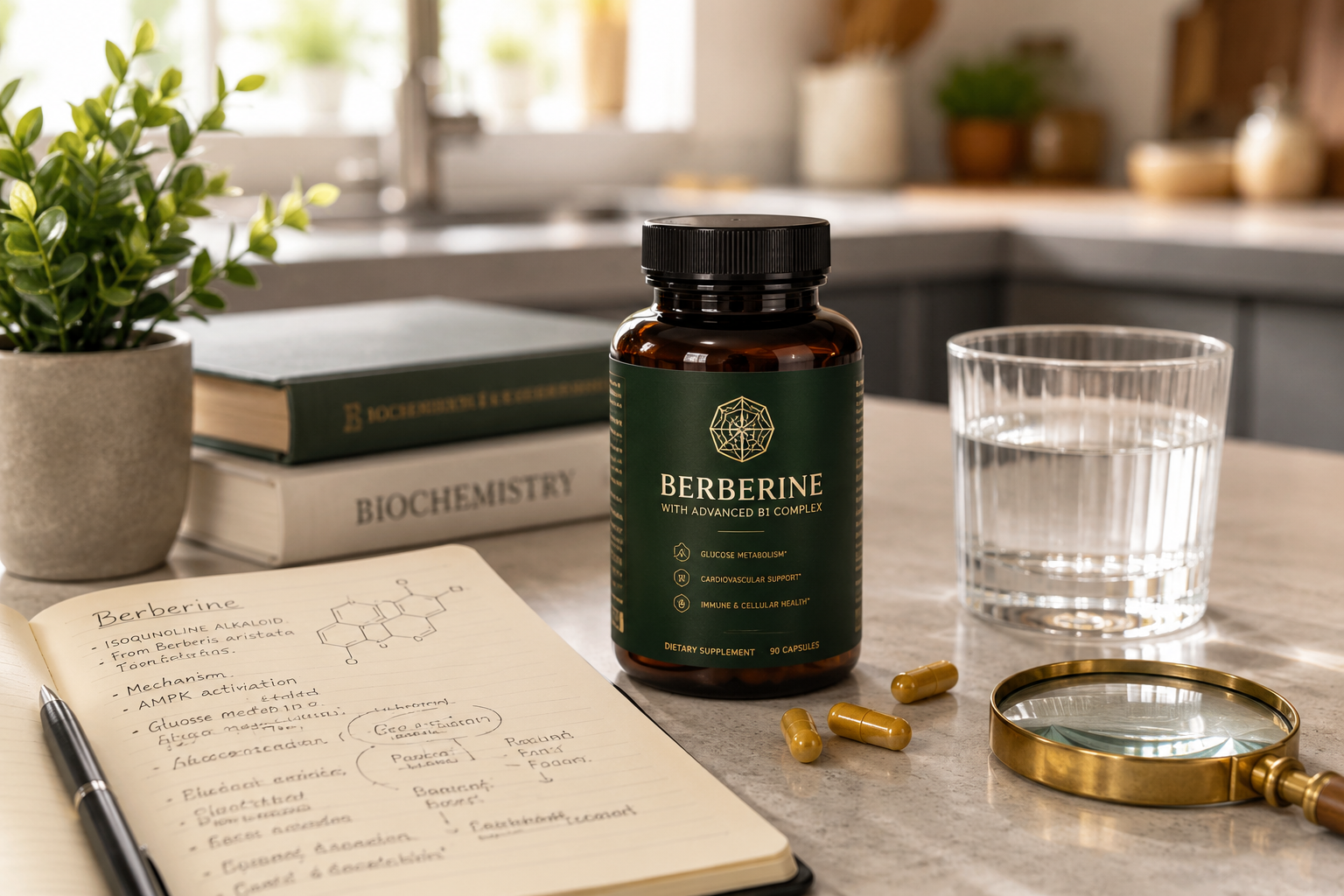
Berberine B1G2
A Buy 1 Get 2 Free berberine offer with no disclosed dosage or third-party testing. Low price, high uncertainty. Read the label before you trust the claims.
Joint Genesis
BioDynamix's joint formula built around Mobilee, a patented hyaluronan-rich rooster comb extract with real published RCTs at 80 mg/day. The headline ingredient…