GlucoFort Review 2026: Blood Sugar Support That Works or Wallet Drain?
Quick Verdict
GlucoFortGlucoFort contains a handful of ingredients with real blood sugar research -- berberine, cinnamon bark, and chromium -- but buries them in a proprietary blend where doses are almost certainly below clinical thresholds. Buy berberine and cinnamon separately at verified doses for a fraction of the cost.
Pros
- Contains several ingredients (berberine, cinnamon, chromium) with genuine blood sugar research
- Non-stimulant formula appropriate for daily use
- 180-day money-back guarantee reduces financial risk
Cons
- Proprietary blend hides all individual ingredient dosages
- Key ingredients almost certainly underdosed based on total blend weight
- No clinical trial on the GlucoFort formula itself
Key Findings
Contains several ingredients (berberine, cinnamon, chromium) with genuine blood sugar research
Non-stimulant formula appropriate for daily use
Proprietary blend hides all individual ingredient dosages
Key ingredients almost certainly underdosed based on total blend weight
What We Like
- Contains several ingredients (berberine, cinnamon, chromium) with genuine blood sugar research
- Non-stimulant formula appropriate for daily use
- 180-day money-back guarantee reduces financial risk
- Manufactured in GMP-certified facility in the USA
What We Don't
- Proprietary blend hides all individual ingredient dosages
- Key ingredients almost certainly underdosed based on total blend weight
- No clinical trial on the GlucoFort formula itself
- Should never replace diabetes medication without medical supervision
- Premium pricing for ingredients available separately at clinical doses for less
Affiliate Disclosure: This page contains affiliate links. If you purchase GlucoFort through our links, we may earn a commission at no extra cost to you. This does not influence our ratings or analysis. We are committed to providing honest, evidence-based reviews.
Quick Verdict
GlucoFort is a blood sugar support supplement sold through ClickBank that markets itself as a natural way to maintain healthy glucose levels. The formula contains a proprietary blend of ingredients, several of which — berberine, cinnamon bark extract, and chromium — have published clinical research supporting their effects on blood sugar markers. This gives GlucoFort more scientific credibility than many ClickBank supplements.
However, the fatal flaw is the proprietary blend. GlucoFort does not disclose individual ingredient dosages, and based on what we know about the total blend weight, every ingredient is almost certainly present at a fraction of its clinically studied dose. Berberine needs 1,000-1,500 mg/day. Cinnamon bark needs 1,000-6,000 mg/day. You are not getting those doses in a proprietary blend capsule.
GlucoFort should never be used as a replacement for diabetes medication. If you have Type 1 or Type 2 diabetes, work with your endocrinologist. Supplements are, at best, an adjunct to medical treatment and lifestyle management.
Rating: 3.5/10 — Better ingredient selection than most ClickBank blood sugar supplements, but hidden doses and premium pricing prevent a higher score.
What Is GlucoFort?
GlucoFort is a daily dietary supplement sold through ClickBank (vendor ID: glucofort) and marketed as a blood sugar optimization formula. The product targets people concerned about their glucose levels, pre-diabetics, and those looking for natural support alongside (not instead of) conventional treatment.
Each bottle contains 30 capsules (a 30-day supply at the recommended dose of 1 capsule daily). The formula uses a proprietary blend combining botanical extracts, minerals, and vitamins.
Key claims: Supports healthy blood sugar levels, improves insulin sensitivity, promotes healthy glucose metabolism, supports pancreatic function.
Key facts:
- Form: Vegetable capsules
- Supply: 30 capsules per bottle (one per day)
- How to use: Take 1 capsule daily with a meal
- Manufacturing: FDA-registered, GMP-certified facility in the USA
- Availability: Official website only
- Guarantee: 180 days
Full Ingredient & Compound Analysis
GlucoFort’s proprietary blend contains multiple ingredients. Here is the complete analysis with clinical evidence for each.
1. Berberine
The most potent blood sugar ingredient in the formula — if present at adequate doses.
What the research says:
-
A landmark 2008 randomized controlled trial found that berberine (500 mg, three times daily) was comparable to metformin in reducing HbA1c, fasting blood glucose, and postprandial blood glucose in newly diagnosed Type 2 diabetes patients. (PubMed: 18442638)
-
A 2021 meta-analysis of 46 RCTs (n=4,158) confirmed berberine significantly reduces fasting blood glucose (WMD: -0.72 mmol/L), HbA1c (WMD: -0.53%), and HOMA-IR compared to placebo. Effects were comparable to oral hypoglycemic drugs in some studies. (PubMed: 33853786)
-
A 2020 dose-response meta-analysis found that berberine at 1,000-1,500 mg/day produced the most significant glycemic improvements. Doses below 900 mg/day showed diminished effects. (PubMed: 32379652)
Critical dose problem: The minimum effective dose for blood sugar is 900 mg/day, with most studies using 1,000-1,500 mg/day. GlucoFort’s single daily capsule cannot contain this amount alongside multiple other ingredients. Berberine’s share is likely 100-200 mg at best.
Evidence strength: Strong at clinical doses (1,000-1,500 mg/day). Likely ineffective at GlucoFort’s dose.
2. Cinnamon Bark Extract (Cinnamomum cassia)
One of the most widely studied natural blood sugar ingredients.
What the research says:
-
A 2019 meta-analysis of 16 RCTs (n=1,099) found that cinnamon supplementation significantly reduced fasting blood glucose (WMD: -0.84 mmol/L), total cholesterol, LDL, and triglycerides while increasing HDL cholesterol. (PubMed: 31425768)
-
A 2013 systematic review and meta-analysis of 10 RCTs found cinnamon reduced fasting blood glucose by 3-5 mg/dL on average. The clinical significance of this reduction in isolation is debatable. (PubMed: 24019277)
-
A 2003 trial (n=60, Type 2 diabetics) found that 1, 3, or 6 grams of cinnamon daily for 40 days reduced fasting blood glucose by 18-29%, total cholesterol by 12-26%, and LDL by 7-27%. (PubMed: 14633804)
Critical dose problem: Clinical studies use 1,000-6,000 mg (1-6 grams) of cinnamon daily. GlucoFort’s share of the proprietary blend is likely 50-150 mg — well below the minimum studied dose.
Important safety note: Cassia cinnamon contains coumarin, which can be hepatotoxic at high doses. Ceylon cinnamon (Cinnamomum verum) has much lower coumarin content and is preferred for supplementation. GlucoFort does not specify which type it uses.
Evidence strength: Moderate-Strong at clinical doses. Likely too low in GlucoFort to produce meaningful effects.
3. Chromium
An essential trace mineral with a well-established role in glucose metabolism.
What the research says:
-
A 2014 meta-analysis of 25 RCTs found that chromium supplementation significantly reduced HbA1c (-0.55%) and fasting glucose (-1.09 mmol/L) in Type 2 diabetes patients. Chromium picolinate was the most effective form. (PubMed: 24635480)
-
A 2017 Cochrane-style review found that chromium supplementation modestly improved glycemic control, but the clinical significance was uncertain and study quality was generally low. (PubMed: 28929442)
-
Effective doses in studies ranged from 200-1,000 mcg (micrograms) of chromium daily.
Dose assessment: Chromium is dosed in micrograms, so it requires very little physical space in a blend. GlucoFort may contain a meaningful chromium dose. However, the form (picolinate vs. other forms) matters significantly for bioavailability.
Evidence strength: Moderate. One of the few ingredients that might be adequately dosed.
4. Bitter Melon (Momordica charantia)
A tropical fruit used traditionally in Ayurvedic and Chinese medicine for blood sugar management.
What the research says:
-
A 2014 meta-analysis of 4 RCTs found that bitter melon did not significantly reduce fasting blood glucose or HbA1c compared to placebo in Type 2 diabetes patients. (PubMed: 24550201)
-
A 2023 updated review found mixed results, with some individual studies showing benefits but pooled analyses remaining inconclusive. Study quality was generally low. (PubMed: 36797336)
-
Traditional use doses are 50-100 mL of fresh juice or 2,000-4,000 mg of powdered fruit daily.
Evidence strength: Weak-Mixed. Meta-analyses do not confirm significant blood sugar effects.
5. Gymnema Sylvestre
Known as “sugar destroyer” in Hindi, Gymnema has centuries of traditional use for blood sugar.
What the research says:
-
A 2017 systematic review found that Gymnema sylvestre supplementation reduced fasting blood glucose and HbA1c in both Type 1 and Type 2 diabetes patients in several studies, but the overall quality of evidence was low. (PubMed: 28085126)
-
A 2020 study (n=60) found that 500 mg of Gymnema sylvestre extract twice daily for 3 months significantly reduced fasting blood glucose and HbA1c compared to placebo. (PubMed: 33198879)
-
Studies typically use 400-1,000 mg daily of Gymnema extract standardized to 25-75% gymnemic acids.
Critical dose problem: Effective dose is 400-1,000 mg/day. GlucoFort’s share is likely 50-100 mg.
Evidence strength: Moderate at proper doses. Promising traditional use ingredient with growing clinical evidence.
6. Alpha-Lipoic Acid (ALA)
A naturally occurring antioxidant with specific research in diabetic neuropathy and insulin sensitivity.
What the research says:
-
A 2018 meta-analysis of 20 RCTs found that ALA supplementation significantly reduced fasting glucose (WMD: -0.54 mmol/L), insulin levels, HOMA-IR, and HbA1c. (PubMed: 29990473)
-
ALA is one of the few supplements with evidence for diabetic neuropathy. A dose of 600 mg/day has been used in clinical trials for nerve pain associated with diabetes. (PubMed: 16685710)
-
Effective doses range from 300-600 mg/day.
Critical dose problem: Clinical dose is 300-600 mg/day. Its share of GlucoFort’s blend is likely 30-60 mg.
Evidence strength: Moderate-Strong at clinical doses. Well-established for diabetic neuropathy and insulin sensitivity.
7. Banaba Leaf Extract (Lagerstroemia speciosa)
Contains corosolic acid, which has been studied for glucose uptake.
What the research says:
-
A 2012 review found that banaba leaf extract containing corosolic acid demonstrated glucose-lowering effects in animal and cell culture studies, with limited but promising human data. (PubMed: 22514807)
-
A small human study (n=31) found that banaba extract (32-48 mg of corosolic acid daily) reduced blood glucose by 3.18-16.6% over 2 weeks. (PubMed: 17184161)
-
Human evidence is limited and study sizes are small.
Evidence strength: Weak-Moderate. Some human data exists but is preliminary.
8. Juniper Berries
A traditional remedy with limited clinical research for blood sugar.
What the research says:
- Animal studies suggest juniper berry extract may have hypoglycemic effects, potentially through stimulating insulin secretion.
- No robust human clinical trials have demonstrated blood sugar benefits from juniper berry supplementation.
Evidence strength: Weak. Almost entirely based on animal and traditional medicine data.
9. Guggul (Commiphora mukul)
An Ayurvedic resin traditionally used for cholesterol and metabolic support.
What the research says:
-
Guggul has been studied primarily for cholesterol reduction. A meta-analysis found modest effects on total cholesterol and LDL, but results are inconsistent. (PubMed: 15886756)
-
Limited evidence exists for direct blood sugar effects. Some animal studies suggest guggulsterones may improve insulin sensitivity, but human data is sparse.
Evidence strength: Weak for blood sugar. Moderate for cholesterol (but inconsistent).
10. Vanadium
A trace mineral that has been studied for insulin-mimetic properties.
What the research says:
-
Vanadium compounds (vanadyl sulfate) have shown insulin-mimetic effects in cell culture and animal studies.
-
A small human study found that vanadyl sulfate (100 mg/day for 3 weeks) modestly improved insulin sensitivity in Type 2 diabetes patients. (PubMed: 8836044)
-
Safety concerns exist at higher doses — vanadium can cause GI distress and potential toxicity. The tolerable upper intake level is not well established.
Evidence strength: Weak. Limited and outdated human data with potential safety concerns at higher doses.
The Full Ingredient Summary Table
| Ingredient | Clinical Dose | GlucoFort Likely Dose | Blood Sugar Evidence | Key Concern |
|---|---|---|---|---|
| Berberine | 1,000-1,500 mg/day | ~100-200 mg | Strong | Almost certainly underdosed |
| Cinnamon Bark | 1,000-6,000 mg/day | ~50-150 mg | Moderate-Strong | Underdosed; coumarin risk unknown |
| Chromium | 200-1,000 mcg/day | Possibly adequate | Moderate | Form not specified |
| Bitter Melon | 2,000-4,000 mg/day | ~50-100 mg | Weak-Mixed | Meta-analyses inconclusive |
| Gymnema Sylvestre | 400-1,000 mg/day | ~50-100 mg | Moderate | Underdosed |
| Alpha-Lipoic Acid | 300-600 mg/day | ~30-60 mg | Moderate-Strong | Underdosed |
| Banaba Leaf | 32-48 mg corosolic acid | Unknown | Weak-Moderate | Limited human data |
| Juniper Berries | Not established | Unknown | Weak | No human trials |
| Guggul | 1,000-1,500 mg/day | ~50-100 mg | Weak | Underdosed; inconsistent data |
| Vanadium | 100 mg/day (vanadyl sulfate) | Unknown | Weak | Safety concerns at higher doses |
How GlucoFort Claims to Work
GlucoFort’s marketing centers on three mechanisms:
- Insulin sensitivity: Ingredients like berberine and chromium may improve how cells respond to insulin.
- Glucose uptake: Banaba leaf (corosolic acid) and vanadium have insulin-mimetic properties in lab studies.
- Pancreatic support: Gymnema sylvestre may support pancreatic beta-cell function.
Our assessment: These mechanisms are scientifically plausible. The individual ingredients do interact with glucose metabolism pathways. The problem is not the theory — it is the execution. At the doses likely present in GlucoFort’s proprietary blend, the physiological impact would be negligible.
Critical medical context: Blood sugar management is a serious medical issue. Uncontrolled hyperglycemia can lead to diabetic neuropathy, retinopathy, nephropathy, cardiovascular disease, and other life-threatening complications. A supplement with underdosed ingredients is not a substitute for medical treatment.
Real User Reviews & Experiences
What Users Generally Report
Positive experiences:
- Some users report modestly lower fasting glucose readings after 2-3 months
- Improved energy levels and reduced sugar cravings
- General wellbeing improvements (may be related to chromium or placebo)
Negative experiences:
- No measurable change in blood sugar levels despite consistent use
- Digestive discomfort (berberine and bitter melon can cause GI upset)
- Concern about replacing prescription medication with a supplement
- Refund process slower than expected
Independent Review Platforms
GlucoFort has limited verified reviews on Trustpilot and BBB. Most online reviews are affiliate marketing content. Reddit discussions in diabetes and supplement forums are generally skeptical, with users noting that berberine as a standalone supplement is cheaper and better dosed.
Price, Packages & Value
| Package | Price/Bottle | Total Cost | Savings |
|---|---|---|---|
| 1 Bottle (30-day supply) | $69 | $69 | — |
| 3 Bottles (90-day supply) | $49 | $147 | + Free shipping |
| 6 Bottles (180-day supply) | $39 | $234 | + Free shipping |
Money-Back Guarantee: 180 days (6 months).
Value Assessment
At $39-69/month, GlucoFort is significantly overpriced relative to buying the key ingredients separately:
- Standalone berberine (1,500 mg/day, clinical dose): $15-25/month
- Standalone cinnamon bark extract (1,000 mg/day): $5-10/month
- Standalone chromium picolinate (200-400 mcg): $3-8/month
- Standalone alpha-lipoic acid (600 mg/day): $10-20/month
- Total for the 4 strongest ingredients at clinical doses: $33-63/month
You would get full clinical doses of the four strongest ingredients for less than or equal to GlucoFort’s price, where those same ingredients are present at fractions of effective levels.
Who Should Consider GlucoFort
May be worth trying if you:
- Want a single capsule for convenience and understand that doses are suboptimal
- Are already on a healthy diet and exercise program and want mild additional support
- Understand this is NOT a replacement for diabetes medication
- Are comfortable with the 180-day guarantee as your safety net
Probably not for you if:
- You have diagnosed diabetes and need reliable blood sugar management (work with your doctor)
- You want clinically dosed ingredients (buy berberine and cinnamon separately)
- You are on metformin, insulin, or other diabetes medications (berberine interacts with these)
- You are pregnant or nursing
- You are looking for transparent ingredient dosing
Who Should Skip GlucoFort
- Anyone with Type 1 diabetes (this supplement cannot replace insulin)
- Anyone on diabetes medications without consulting their doctor first (berberine can potentiate hypoglycemia when combined with diabetes drugs)
- Anyone on blood thinners (cinnamon’s coumarin content may interact)
- Budget-conscious buyers who can get better-dosed ingredients for less money
Final Verdict
GlucoFort earns a slightly higher score than most ClickBank supplements because it contains several ingredients — berberine, cinnamon, chromium, ALA, and gymnema — that have genuine published research for blood sugar support. This is a better ingredient selection than many competitors in the ClickBank blood sugar category.
However, the product fails on execution. The proprietary blend guarantees that every ingredient except possibly chromium is present below its clinically studied dose. Berberine alone needs 1,000-1,500 mg/day — more than most proprietary blends weigh in total. The premium pricing ($39-69/month) for subtherapeutic doses is difficult to justify when you can buy standalone berberine and cinnamon extract at full clinical doses for less money.
Bottom line: If you are interested in natural blood sugar support, the evidence points to berberine (1,000-1,500 mg/day), cinnamon bark (1,000 mg/day), and chromium picolinate (200-400 mcg/day) as the strongest standalone options. Buy them individually from transparent brands. GlucoFort gives you traces of good ingredients at a premium price.
Our rating: 3.5/10 — Right ingredients, wrong doses, wrong price.
Frequently Asked Questions
Does GlucoFort lower blood sugar?
GlucoFort contains ingredients (berberine, cinnamon, chromium) that have clinical evidence for modest blood sugar reduction at proper doses. However, no clinical trial has been conducted on the GlucoFort formula itself, and the proprietary blend likely contains these ingredients at fractions of their studied doses. Some users report modestly lower fasting glucose, but controlled clinical evidence for the specific product is absent.
Can GlucoFort replace diabetes medication?
No. GlucoFort is a dietary supplement and should never replace prescription diabetes medication without explicit approval from your healthcare provider. Uncontrolled blood sugar can lead to serious, life-threatening complications including neuropathy, kidney damage, and cardiovascular disease. GlucoFort should only be considered as a potential adjunct to medical treatment, not a substitute.
What are GlucoFort side effects?
Berberine can cause gastrointestinal side effects including diarrhea, constipation, stomach cramps, and nausea. Bitter melon may also cause digestive upset. Berberine can interact with diabetes medications (metformin, sulfonylureas, insulin) and potentially cause hypoglycemia. Cinnamon (cassia variety) contains coumarin, which may affect liver function at high doses. Always consult your doctor before combining GlucoFort with prescription medications.
Is GlucoFort FDA approved?
No. GlucoFort is a dietary supplement regulated under DSHEA. It has not been evaluated or approved by the FDA. The manufacturer states it is produced in a GMP-certified facility, which addresses manufacturing standards but not product efficacy or safety.
How long does GlucoFort take to work?
The manufacturer recommends 3-6 months of consistent use. Clinical studies on the individual ingredients (at their proper doses) typically measure outcomes at 8-12 weeks. However, given the likely underdosing of ingredients in GlucoFort, measurable effects may be minimal regardless of duration.
Is berberine really as good as metformin?
One well-designed study found berberine comparable to metformin for HbA1c reduction in newly diagnosed Type 2 diabetics. However, this was at a dose of 1,500 mg/day — a dose GlucoFort almost certainly does not provide. Berberine is not FDA-approved for diabetes treatment, and it should not be used as a metformin replacement without medical supervision. Berberine can also interact with many medications due to CYP450 enzyme effects.
How much does GlucoFort cost?
GlucoFort costs $69 for one bottle (30-day supply), $49 per bottle for three bottles, or $39 per bottle for six bottles. Standalone berberine at clinical doses costs $15-25/month. Adding cinnamon extract and chromium separately brings the total to approximately $25-40/month at full clinical doses — less than GlucoFort with better ingredient transparency.
Can I take GlucoFort with metformin?
You should not combine GlucoFort with metformin or other diabetes medications without consulting your doctor. Berberine can potentiate the blood sugar-lowering effects of diabetes drugs, potentially causing hypoglycemia. Both berberine and metformin also affect the same metabolic pathways (AMPK activation), and combining them requires medical oversight.
Who makes GlucoFort?
GlucoFort is sold through ClickBank (vendor ID: glucofort). The specific company behind the product has limited public information available, which is common for ClickBank health supplements. The product claims to be manufactured in an FDA-registered, GMP-certified facility in the USA.
Related Reading
- GlucoTrust Review — Another ClickBank blood sugar supplement with similar proprietary blend issues
- Sugar Defender Review — A competing blood sugar formula with gymnema and chromium
- Best Blood Sugar Supplements 2026 — How GlucoFort compares to alternatives
- Understanding Proprietary Blends — Why hidden dosing undermines GlucoFort’s credibility
- 10 Supplement Red Flags — How many red flags does GlucoFort trigger?
This review was last updated on March 7, 2026.
FDA Disclaimer: These statements have not been evaluated by the Food and Drug Administration. This product is not intended to diagnose, treat, cure, or prevent any disease. Always consult your healthcare provider before starting any new supplement, especially if you are pregnant, nursing, taking medication, or have a medical condition.
Medical Disclaimer: This article is for informational purposes only and does not constitute medical advice. The information presented here is based on publicly available research and should not replace professional medical consultation. Individual results may vary. Blood sugar management requires medical supervision — do not modify or discontinue diabetes medication based on supplement marketing.
Review Methodology: This review is based on analysis of peer-reviewed research indexed on PubMed, official product information, and aggregated user reviews from multiple platforms. No free products were received. Revenue from affiliate links does not influence our ratings or conclusions.
The Bottom Line
GlucoFort contains a handful of ingredients with real blood sugar research -- berberine, cinnamon bark, and chromium -- but buries them in a proprietary blend where doses are almost certainly below clinical thresholds. Buy berberine and cinnamon separately at verified doses for a fraction of the cost.
How Does It Compare?
See how GlucoFort stacks up against alternatives
| Product | Rating | Price | Verdict | |
|---|---|---|---|---|
GlucoFortThis Review | $69/bottle | Not Rec. | Check Price | |
GlucoTrustTop Rated | $49-$69 | Mixed | Read Review | |
Sugar Defender | $49-$79 | Not Rec. | Read Review | |
Amiclear | $49-$69 | Not Rec. | Read Review |
Compare Alternatives
See how other products in this category stack up
Readers Also Viewed
Other supplements reviewed by our team
 4.0
4.0GlucoTrust
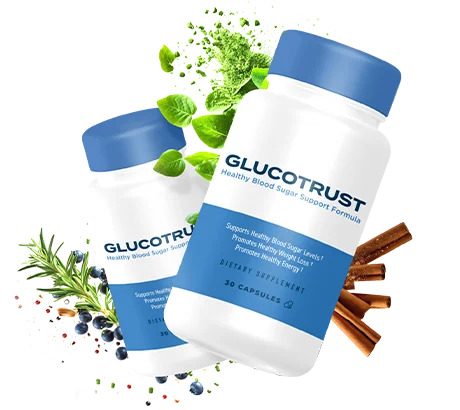
Researched ingredients in a tiny 82.5mg proprietary blend -- almost certainly underdosed for every ingredient.
Read Review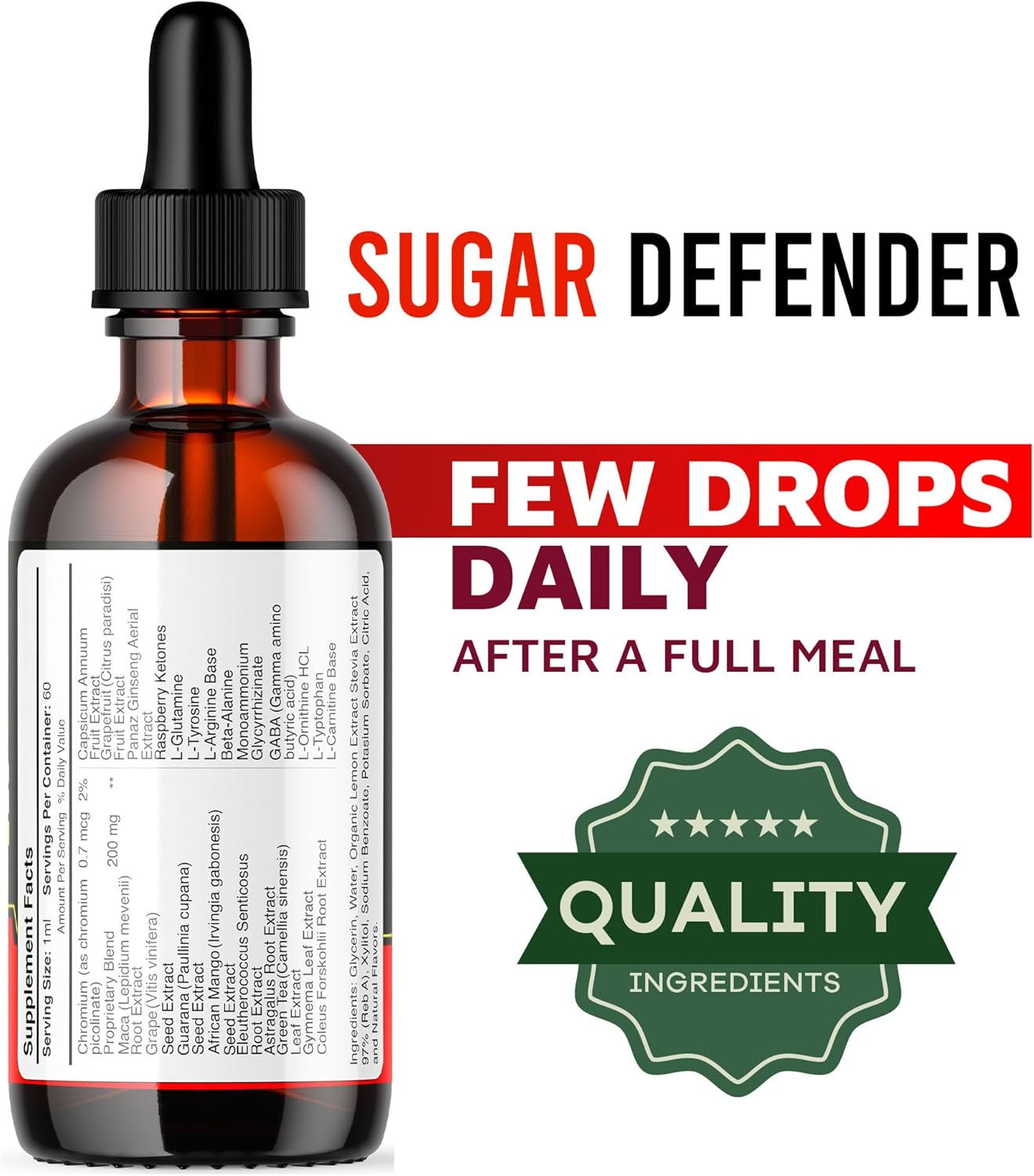 3.5
3.5Sugar Defender
Better ingredient profile than most ClickBank supplements. Gymnema and chromium have real evidence, but the proprietary blend likely underdoses them.
Read Review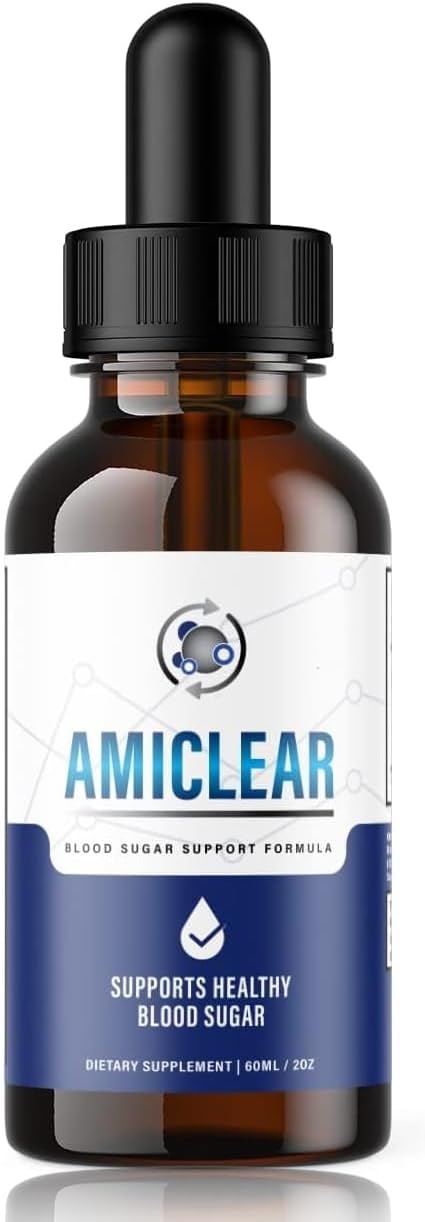 3.0
3.0Amiclear
Another entry in the crowded ClickBank blood sugar market. Nearly identical to Sugar Defender. Gymnema has evidence; the formula does not.
Read Review