Alpilean Review 2026: Alpine Weight Loss Miracle or Mountain of Hype?
Quick Verdict
AlpileanAlpilean is built on a scientifically dubious premise (inner body temperature), contains one ingredient with flawed-but-existing human data (African mango), and hides all dosages. The non-stimulant angle is its only real advantage.
Pros
- African mango seed extract has some human clinical trial data showing weight loss effects
- Turmeric and ginger have well-established anti-inflammatory properties
- 90-day money-back guarantee provides extended buyer protection
Cons
- The 'inner body temperature' mechanism has no credible scientific support for weight loss
- Fucoxanthin has almost no human clinical trial evidence -- nearly all research is in animals
- African mango studies are methodologically weak -- same research group, same journal, same location
Key Findings
African mango seed extract has some human clinical trial data showing weight loss effects
Turmeric and ginger have well-established anti-inflammatory properties
The 'inner body temperature' mechanism has no credible scientific support for weight loss
Fucoxanthin has almost no human clinical trial evidence -- nearly all research is in animals
What We Like
- African mango seed extract has some human clinical trial data showing weight loss effects
- Turmeric and ginger have well-established anti-inflammatory properties
- 90-day money-back guarantee provides extended buyer protection
- Non-stimulant formula avoids caffeine-related side effects
What We Don't
- The 'inner body temperature' mechanism has no credible scientific support for weight loss
- Fucoxanthin has almost no human clinical trial evidence -- nearly all research is in animals
- African mango studies are methodologically weak -- same research group, same journal, same location
- Proprietary blend hides all ingredient dosages
- No clinical trial on the complete Alpilean formula
- $2.30/day for ingredients with limited evidence is poor value
Affiliate Disclosure: This article contains affiliate links. If you purchase Alpilean through our link, we may earn a commission at no extra cost to you. This does not influence our rating or analysis. We are committed to honest, evidence-based reviews.
FDA Disclaimer: Alpilean has not been evaluated by the Food and Drug Administration. This product is not intended to diagnose, treat, cure, or prevent any disease. Consult your healthcare provider before starting any supplement.
Quick Verdict
Alpilean is marketed as a weight loss supplement based on the concept of “inner body temperature optimization” using six plant-based ingredients sourced from the “Thangu Valley in the Himalayas.” The marketing claims that low inner body temperature is the root cause of slow metabolism and weight gain, and that raising it with alpine nutrients will unlock rapid fat burning.
This premise is not supported by legitimate clinical science. While core body temperature does influence metabolic rate, no peer-reviewed study has demonstrated that any supplement can meaningfully raise inner body temperature in a way that produces significant weight loss. The entire marketing framework is built on a misrepresentation of a 2020 Stanford University study on body temperature trends.
Of the six ingredients, African mango seed extract (Irvingia gabonensis) has the most human data, but the studies are methodologically concerning — conducted by the same research group, published in the same journal, and showing results dramatically better than anything replicated independently. Fucoxanthin from golden algae has promising animal data but virtually no human evidence. Turmeric and ginger are well-studied anti-inflammatory agents but are not weight loss ingredients at normal supplement doses.
Bottom line: Alpilean is built on marketing pseudoscience. The ingredients range from “no human evidence” to “weak, potentially biased evidence.” At $69/bottle for hidden dosages, this is a poor investment.
What Is Alpilean?
Alpilean is a daily capsule supplement created by Zach Miller, marketed through ClickBank (vendor ID: alpilean). The product launched in late 2022 and quickly became one of ClickBank’s top-selling health products, driven largely by viral marketing around the “Alpine Ice Hack” concept.
Key facts:
- Form: Vegetable capsules
- Supply: 30 capsules per bottle (one per day)
- How to use: Take 1 capsule daily with a glass of cold water
- Manufacturing: FDA-registered, GMP-certified facility
- Availability: Official website only
- Guarantee: 90 days
The “Alpine Ice Hack” marketing campaign generated massive interest, though the actual product is a standard herbal capsule supplement with no ice or alpine-specific mechanism.
The “Inner Body Temperature” Claim — Debunked
Alpilean’s marketing rests on a single claim: that a 2020 study showed inner body temperature is the common factor in overweight individuals, and that raising it leads to weight loss.
What the study actually says:
The study referenced is likely Protsiv et al. (2020), published in eLife, which found that average human body temperature has declined by approximately 0.03 degrees Celsius per decade since the 1860s. This study examined population-level temperature trends over 157 years and had nothing to do with individual weight loss, metabolism optimization, or dietary supplements.
The scientific reality:
- Core body temperature (CBT) and metabolic rate are related — higher metabolic rate does generate more heat
- However, the relationship is correlative, not causative in the direction Alpilean claims
- People with higher metabolic rates tend to have slightly higher CBT, not the other way around
- No supplement has been shown to raise CBT in a way that produces meaningful caloric expenditure
- The 0.03 degrees per decade population trend reflects changes in inflammation levels and living conditions, not a “metabolic crisis”
This marketing framework is pseudoscientific. It takes a real observation (body temperature correlates with metabolism) and inverts the causation to sell a product.
Ingredient Analysis
1. Golden Algae (Fucoxanthin)
Fucoxanthin is a carotenoid pigment found in brown seaweed and microalgae. It is the ingredient most directly tied to Alpilean’s “body temperature” claim.
What the research says:
- Animal studies show fucoxanthin can upregulate uncoupling protein 1 (UCP1) in white adipose tissue, potentially promoting thermogenesis and fat oxidation (Maeda et al., 2005 — PMID: 16076989).
- The only notable human study (Abidov et al., 2010) tested a combination of 300 mg pomegranate seed oil and brown seaweed extract containing 2.4 mg fucoxanthin in obese women for 16 days. The treatment group lost more weight, but the study was small and short-term (PMID: 19840063).
- A review in Evidence-Based Complementary and Alternative Medicine concluded that while animal data is promising, “more clinical trials should be conducted” before fucoxanthin can be recommended for human use (Zhang et al., 2015 — PMC: 4461761).
- An evaluation of fucoxanthin content in commercial weight loss supplements found many products contained little to no detectable fucoxanthin.
Verdict: Promising animal data, but virtually no human clinical trial evidence. The single 16-day human study is far too small and short to draw conclusions. Fucoxanthin doses in Alpilean are undisclosed and may be negligible.
2. African Mango Seed Extract (Irvingia gabonensis)
This is Alpilean’s most evidence-backed ingredient, though the evidence has serious quality concerns.
What the research says:
- Three randomized controlled trials reported statistically significant weight loss with I. gabonensis: 12.8 kg vs. 0.7 kg, 4.1 kg vs. 0.1 kg, and 11.9 kg vs. 2.1 kg over 10 weeks (Ngondi et al., 2009 — PMID: 19916748; Oben et al., 2008 — PMID: 18467022).
- A systematic review found potential for significant weight loss but concluded: “Due to the paucity and poor reporting quality of the RCTs, the effect of I. gabonensis on body weight and related parameters are unproven” (Onakpoya et al., 2013 — PMID: 23419021).
- The Oxford Centre for Evidence-Based Medicine noted that the few trials were “confined to one location, conducted by the same group of investigators, and published in the same journal.”
- No independent replication of these dramatic weight loss results has been published.
Verdict: The weight loss numbers (12+ kg in 10 weeks) sound impressive but have not been replicated by independent researchers. The studies suffer from methodological concerns that prevent confident conclusions. This is the best ingredient in Alpilean, but the evidence quality is low.
3. Turmeric Rhizome (Curcumin)
A well-known anti-inflammatory spice with thousands of published studies.
What the research says:
- A meta-analysis of 21 RCTs found curcumin supplementation significantly reduced BMI (-0.24 kg/m2) and body weight (-1.14 kg) but only in studies lasting 8 weeks or more and at doses of 1,000+ mg/day (Mousavi et al., 2020 — PMID: 31249528).
- Curcumin has notoriously poor bioavailability unless combined with piperine (black pepper extract) or delivered in specialized formulations.
- Standard turmeric powder contains only 2-5% curcumin by weight.
Verdict: Anti-inflammatory properties are real but well-established. Weight loss effects are statistically significant but clinically marginal (about 1 kg). Curcumin needs piperine for absorption and doses above 1,000 mg — neither of which Alpilean confirms it provides.
4. Ginger Rhizome
Another well-studied anti-inflammatory ingredient.
What the research says:
- A meta-analysis of 14 RCTs found ginger supplementation significantly reduced body weight (-0.66 kg) and waist-to-hip ratio but not BMI (Maharlouei et al., 2019 — PMID: 29393665).
- Effects are very modest and may relate to reduced inflammation rather than direct fat burning.
- Doses in studies were typically 1-3 g/day.
Verdict: Real but tiny effects. Ginger is a healthy spice, but supplemental doses for weight loss are underwhelming. You would get comparable amounts from cooking with ginger regularly.
5. Moringa Leaf (Moringa oleifera)
A nutrient-dense plant marketed as a “superfood.”
What the research says:
- A systematic review found that moringa showed anti-obesity effects in animal models, but “clinical evidence in humans is scarce and inconclusive.”
- One small human trial (n=45) found moringa leaf supplementation reduced body weight by 2.07 kg over 8 weeks compared to placebo, but the study was methodologically limited.
Verdict: Nutritious plant, but weight loss evidence in humans is very limited. Primarily an antioxidant and nutrient source.
6. Citrus Bioflavonoids
Plant compounds found in citrus fruits with antioxidant properties.
What the research says:
- Some evidence for anti-inflammatory and cardiovascular benefits.
- No convincing human clinical trial data specifically for weight loss.
- Hesperidin (a specific citrus bioflavonoid) showed modest effects on lipid metabolism in some studies, but at doses of 500+ mg/day.
Verdict: Antioxidant filler ingredient. No meaningful weight loss evidence at supplement doses.
What Real Users Say
Positive Reports
- Reduced appetite and fewer cravings
- Improved energy levels (may be a placebo effect given the non-stimulant formula)
- Some users report modest weight loss (5-10 lbs over 2-3 months with diet changes)
Negative Reports
- No weight change after 30-90 days of consistent use
- Digestive upset including nausea and stomach discomfort
- Difficulty obtaining refunds despite the 90-day guarantee
- Results far below what the “Alpine Ice Hack” marketing suggests
Independent Review Sentiment
- Very polarized user experiences — approximately 60% positive, 40% negative according to aggregated reviews
- Limited verified reviews on Trustpilot or BBB
- Most online “reviews” are affiliate marketing content with financial incentives
Price and Value
| Package | Price | Per Bottle | Per Day | Savings |
|---|---|---|---|---|
| 1 Bottle (30-day) | $69 | $69 | $2.30 | — |
| 3 Bottles (90-day) | $147 | $49 | $1.63 | $60 off |
| 6 Bottles (180-day) | $234 | $39 | $1.30 | $180 off |
Money-Back Guarantee: 90 days from purchase.
Value Comparison
| Ingredient | Standalone Cost (30-day) |
|---|---|
| Fucoxanthin (3mg) | $15-25 |
| African Mango Extract (300mg) | $8-15 |
| Turmeric/Curcumin (1,000mg + piperine) | $10-15 |
| Ginger Extract (500mg) | $6-10 |
| Moringa Leaf (500mg) | $8-12 |
| Citrus Bioflavonoids (500mg) | $8-12 |
| Total | $55-89 |
With standalone supplements, you get verified dosages and can confirm clinical doses are being met. The fucoxanthin alone is expensive, but the other ingredients are widely available and affordable.
Pros and Cons
Pros
- African mango has human clinical data — flawed, but it exists
- Turmeric and ginger are well-studied for anti-inflammatory properties
- Non-stimulant formula — no caffeine, jitters, or sleep disruption
- 90-day money-back guarantee provides reasonable buyer protection
- GMP-certified manufacturing
Cons
- “Inner body temperature” premise is pseudoscience — no supplement raises CBT for weight loss
- Fucoxanthin has almost no human evidence — nearly all data is from animal studies
- African mango studies have serious quality issues — unreplicated, same researchers, same journal
- Proprietary blend hides all dosages — impossible to verify clinical relevance
- Curcumin needs piperine for absorption — not confirmed in Alpilean
- No trial on the complete formula — individual ingredient studies do not validate the blend
- Aggressive “Alpine Ice Hack” marketing — misleading viral campaign with no scientific basis
Who Should Consider Alpilean
Potentially suitable for:
- People seeking a non-stimulant supplement (caffeine-sensitive individuals)
- Those who want anti-inflammatory plant extracts as general health support
- Individuals with realistic expectations about modest results
Not suitable for:
- Anyone expecting significant weight loss based on the marketing
- People who want evidence-based, transparently dosed ingredients
- Budget-conscious buyers — better value exists for these ingredients separately
- Anyone on blood-thinning medications (turmeric and ginger may have anticoagulant effects)
Our Verdict
Rating: 3.5/10
Alpilean’s core marketing claim — that raising “inner body temperature” with alpine nutrients causes weight loss — is not supported by legitimate science. The referenced Stanford study had nothing to do with weight loss supplements, and no peer-reviewed research demonstrates that any oral supplement can meaningfully raise core body temperature to enhance fat burning.
Of the six ingredients:
- Fucoxanthin has promising animal data but almost no human evidence
- African mango has human trials, but they are methodologically flawed and unreplicated
- Turmeric and ginger are healthy but provide marginal weight loss at supplement doses
- Moringa and citrus bioflavonoids are nutritional fillers with no weight loss evidence
The non-stimulant formulation is a legitimate advantage for people sensitive to caffeine, but that alone does not justify a $69 price tag for a proprietary blend with no transparent dosing.
If you want anti-inflammatory support, buy turmeric with piperine and ginger root from a reputable brand for under $20/month. If you are curious about African mango, purchase it as a standalone supplement with verified dosing for $10-15/month. Do not pay $69/month for a blend that hides every dosage behind a proprietary label.
Frequently Asked Questions
Does Alpilean actually raise body temperature?
There is no published clinical evidence that Alpilean or any of its ingredients meaningfully raise inner core body temperature in humans. The “inner body temperature” concept used in Alpilean’s marketing is a misrepresentation of a Stanford population study on historical temperature trends. That study had nothing to do with weight loss or dietary supplements.
What is the Alpine Ice Hack?
The “Alpine Ice Hack” is a marketing campaign used to promote Alpilean. It suggests a simple ice-related trick from the Alps can boost metabolism. In reality, the product is a standard herbal capsule supplement with no ice component. The viral marketing generated significant sales but has no basis in clinical science.
Does African mango really work for weight loss?
African mango seed extract (Irvingia gabonensis) has three published clinical trials showing significant weight loss. However, all three studies were conducted by the same research group, published in the same journal, and have not been independently replicated. A systematic review concluded the evidence is insufficient to recommend it as a weight loss aid due to poor study quality.
What are Alpilean side effects?
Alpilean is a non-stimulant formula, so caffeine-related side effects (jitters, insomnia) are not expected. Possible side effects include digestive discomfort, nausea, and mild headaches. Turmeric and ginger may have blood-thinning effects, so anyone on anticoagulant medications should consult their doctor before use.
How much does Alpilean cost?
Alpilean costs $69 for one bottle (30-day supply), $49 per bottle for three bottles, or $39 per bottle for six bottles. This works out to $1.30-$2.30 per day. The individual ingredients can be purchased separately with verified dosing for approximately $0.80-$1.00 per day.
Related Reading
- 5 Best Weight Loss Supplements 2026: Honest Rankings — See where Alpilean ranks
- Puravive Review — Another BAT-themed weight loss supplement
- Exipure Review — Similar brown fat marketing claims
- Proprietary Blends Explained: Why They’re Usually a Red Flag — Why hidden dosages undermine credibility
- Is That Supplement a Scam? 15 Warning Signs — Check Alpilean against our scam checklist
This review was researched and written on March 7, 2026. All PubMed citations link to published peer-reviewed studies. Pricing and availability reflect information available at the time of publication and may change.
Sources
- Maeda et al. (2005) — Fucoxanthin and UCP1 in animal models (PMID: 16076989)
- Abidov et al. (2010) — Fucoxanthin human study in obese women (PMID: 19840063)
- Zhang et al. (2015) — Fucoxanthin review (PMC: 4461761)
- Ngondi et al. (2009) — African mango seed extract RCT (PMID: 19916748)
- Oben et al. (2008) — Irvingia gabonensis weight loss trial (PMID: 18467022)
- Onakpoya et al. (2013) — Irvingia gabonensis systematic review (PMID: 23419021)
- Mousavi et al. (2020) — Curcumin and body weight meta-analysis (PMID: 31249528)
- Maharlouei et al. (2019) — Ginger and body weight meta-analysis (PMID: 29393665)
The Bottom Line
Alpilean is built on a scientifically dubious premise (inner body temperature), contains one ingredient with flawed-but-existing human data (African mango), and hides all dosages. The non-stimulant angle is its only real advantage.
How Does It Compare?
See how Alpilean stacks up against alternatives
| Product | Rating | Price | Verdict | |
|---|---|---|---|---|
AlpileanThis Review | $69/bottle | Not Rec. | Check Price | |
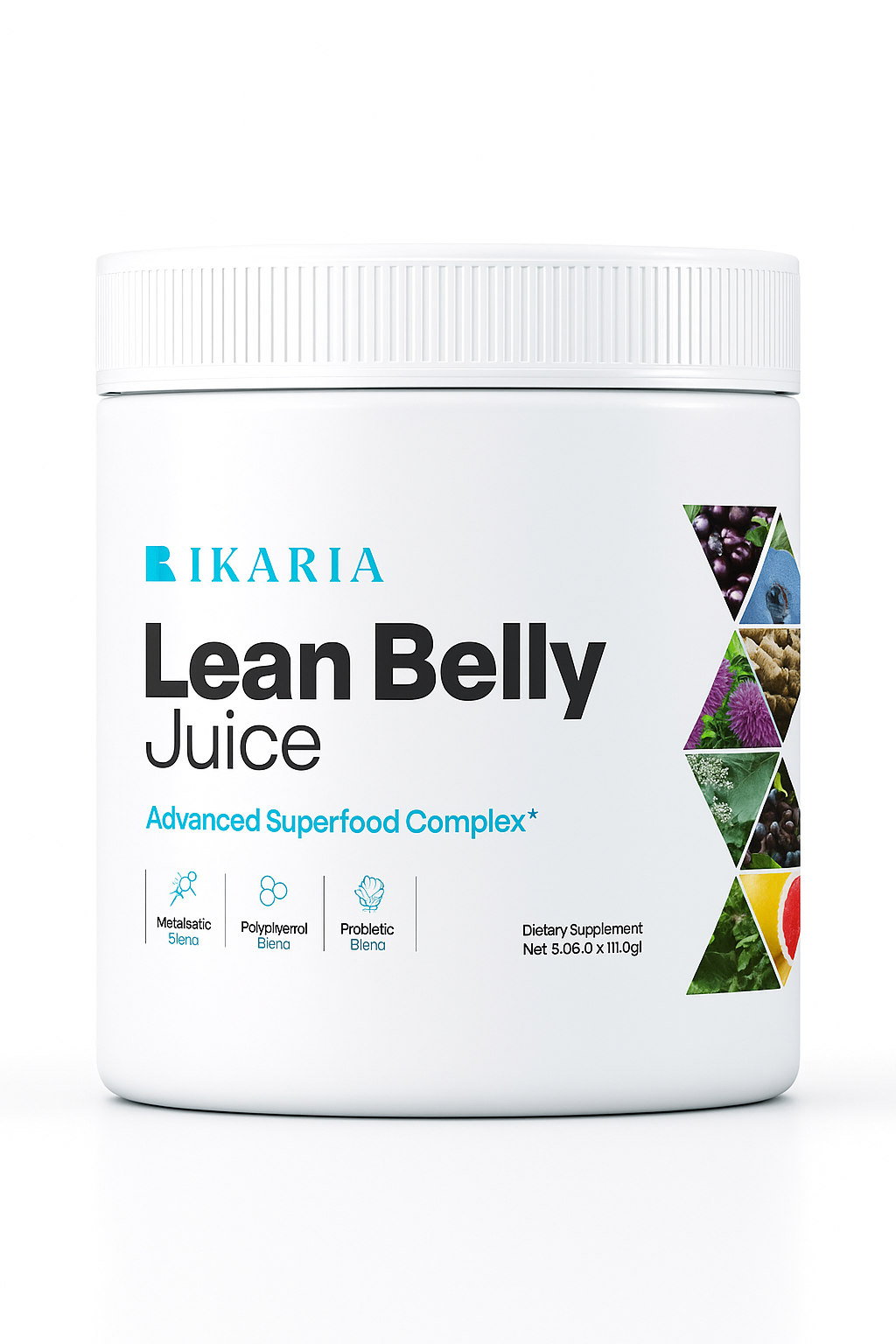
IkariaTop Rated | $39-$69 | Mixed | Read Review | |
CitrusBurn | $49-$79 | Mixed | Read Review | |
Java Burn | $39-$69 | Mixed | Read Review |
Compare Alternatives
See how other products in this category stack up
Readers Also Viewed
Other supplements reviewed by our team
 5.0
5.0Ikaria
Researched ingredients undermined by hidden dosages and no product-specific clinical trials.
Read Review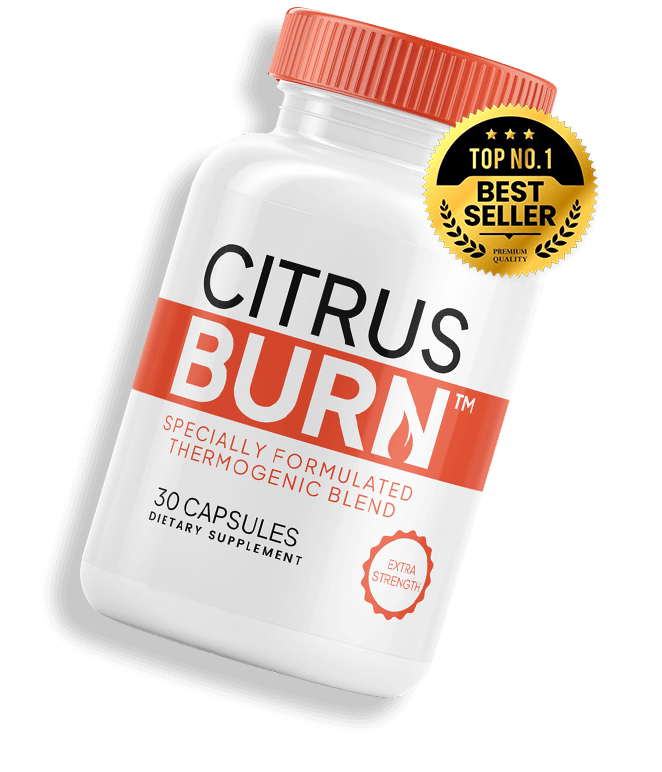 4.0
4.0CitrusBurn
Proprietary blend likely underdoses real ingredients. Marketing overpromises what the science supports.
Read Review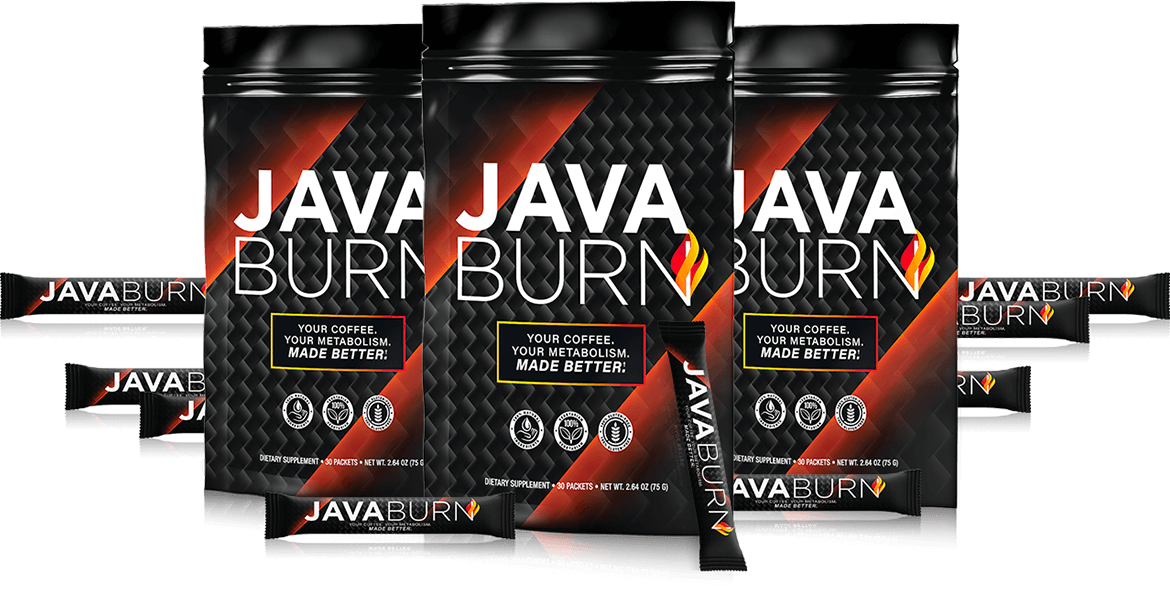 4.0
4.0Java Burn
Real ingredients with modest support, but undisclosed doses and a 1.6/5 Trustpilot rating make it a poor value.
Read Review